Navigating the financial landscape of higher education can feel overwhelming, but for students in the Ocean State, a robust array of dedicated funding programs exists to make college more accessible and affordable. Rhode Island offers a combination of state-funded grants, unique scholarship initiatives, and work-based learning programs designed to support residents from high school through graduate school. Understanding these opportunities is the first critical step in reducing student loan debt and achieving educational goals without crippling financial burden. This guide provides a comprehensive overview of the key resources available, detailing eligibility requirements, application processes, and strategic advice for maximizing your financial aid package.
Rhode Island’s State-Funded Grant Programs
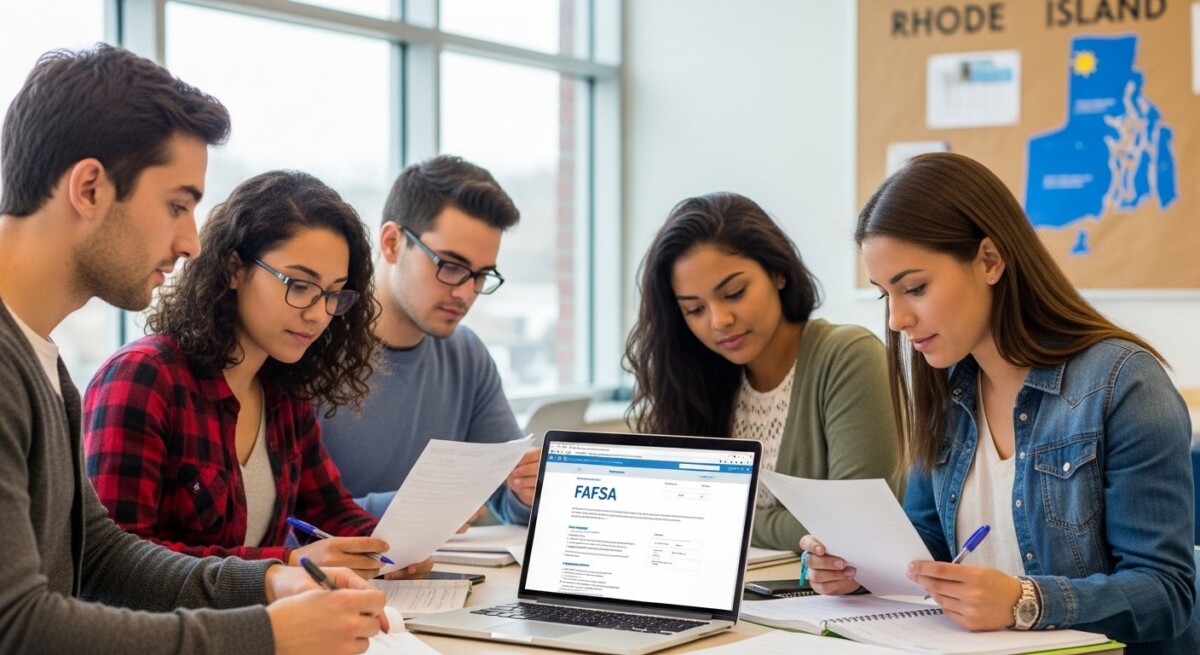
The cornerstone of Rhode Island student funding for college education is the Rhode Island State Grant Program. Administered by the Rhode Island Office of the Postsecondary Commissioner (RIOPC), this need-based grant is a vital resource for eligible residents attending approved colleges, universities, and technical schools. Unlike loans, this grant does not need to be repaid, making it a form of gift aid that directly reduces tuition costs. The award amount is not fixed, it varies based on several factors, including the student’s financial need as determined by the FAFSA, the cost of attendance at their chosen institution, and the annual funding appropriated by the state legislature. It is crucial for students to file the Free Application for Federal Student Aid (FAFSA) as early as possible, as this single application serves as the gateway to this grant, federal Pell Grants, and most institutional aid.
To qualify for the Rhode Island State Grant, students must be legal residents of Rhode Island, be enrolled or accepted for enrollment in an eligible degree or certificate program at least half-time, and maintain satisfactory academic progress. There is no separate application beyond the FAFSA, but students must list at least one Rhode Island school on their FAFSA to be considered. The grant is portable, meaning it can be used at eligible institutions both within and outside of Rhode Island, though award amounts may differ based on the school’s cost. This flexibility is a significant advantage for students seeking specialized programs not available within the state. For a broader understanding of how such grants fit into the larger picture, our resource on finding student grant opportunities for your college education offers additional strategic insights.
The Rhode Island Promise Scholarship
One of the state’s most prominent and transformative scholarship programs is the Rhode Island Promise Scholarship. This initiative specifically targets recent high school graduates, offering them two years of free tuition and mandatory fees at the Community College of Rhode Island (CCRI). The program’s goal is to increase postsecondary attainment by removing the financial barrier to starting a degree or earning a valuable certificate. To be eligible, students must enroll at CCRI full-time directly after high school graduation, maintain a 2.5 GPA, and participate in college success activities such as advising. The scholarship covers any remaining tuition and fees after all other federal and state grants have been applied, effectively making the first two years of community college tuition-free for qualifying students.
The impact of the Rhode Island Promise Scholarship extends beyond individual students, it strengthens the state’s workforce by creating a more educated population. For students, it provides a low-risk, high-reward pathway to an associate degree, which can either lead directly to employment or serve as a springboard to a four-year institution through articulation agreements. It is a prime example of a state investing directly in its future talent pipeline. Students interested in this scholarship must apply for admission to CCRI and complete the FAFSA by specific deadlines. The scholarship is renewable for a second year if all continuation requirements are met, making it a powerful tool for completing a two-year program with minimal debt.
Work-Based Learning and Loan Forgiveness Programs
Rhode Island also supports students through innovative programs that combine education with work experience or offer loan repayment assistance. The Wavemaker Fellowship is a standout example, offering tax credits to STEM, healthcare, and design professionals working in Rhode Island who are paying down student loans. While not a traditional scholarship, this program provides substantial financial relief to college graduates, making it easier to build a career and life in Rhode Island after completing their education. Eligible applicants can receive annual tax credits to help offset their student loan payments for up to four years, incentivizing them to stay and contribute to the state’s economy.
Another critical avenue is the Rhode Island Nurse Education Loan Forgiveness Program, which addresses workforce shortages in high-need areas. This program provides loan repayment assistance to nurses who agree to work in eligible healthcare facilities within the state. Similar targeted programs exist for other professions where the state identifies a critical need. These initiatives represent a strategic investment, where the state helps manage the debt of educated professionals in exchange for their service within Rhode Island. Exploring these options early can inform a student’s choice of major and career path, aligning personal goals with available financial support. For students just beginning their journey, understanding all potential funding sources is key, as outlined in our complete funding guide for first-time college students.
Institutional and Community-Based Scholarships
Beyond state-administered programs, numerous institutional and community scholarships are available to Rhode Island students. Every college and university in Rhode Island, from Brown University and the University of Rhode Island to Rhode Island College and New England Institute of Technology, maintains its own endowment of scholarships. These awards may be based on merit, financial need, specific majors, extracurricular achievements, or demographic factors. The application process for these funds varies, some are automatic with admission and the FAFSA, while others require separate applications, essays, or portfolios. Proactively contacting the financial aid office of your chosen school is essential to uncover all possibilities.
Local community foundations, such as the Rhode Island Foundation, manage hundreds of scholarship funds established by donors with specific intentions. These can be highly specialized, targeting students from a particular town, high school, or field of study. The key to accessing these funds is diligent research and meeting deadlines. A strategic approach involves creating a list of potential scholarships with their requirements and deadlines. Here is a checklist to organize your search for local and institutional aid:
- Contact your high school guidance counselor for local scholarship listings.
- Research the scholarship databases and financial aid pages of every college you are applying to.
- Explore the Rhode Island Foundation’s scholarship directory and other community trust sites.
- Check with parents’ employers, local civic organizations (Rotary, Lions Club), and professional associations related to your intended major.
- Set calendar reminders for all application deadlines, which often fall in the winter and spring before the academic year.
Successfully securing these scholarships often requires strong essays and letters of recommendation, so starting the process early is paramount. Remember, smaller awards can add up significantly and reduce the overall amount you need to borrow.
Strategic Financial Aid Planning for Rhode Island Families
Maximizing Rhode Island student funding for college education requires a proactive, multi-year strategy. The process begins well before senior year of high school. Families should familiarize themselves with the FAFSA, which uses tax information from two years prior (the “prior-prior year” rule). This means financial decisions made during a student’s sophomore and junior years of high school can impact aid eligibility. Saving for college in tax-advantaged accounts like a 529 plan, which Rhode Island offers through CollegeBound Saver, is a wise move, as these assets are treated favorably in financial aid calculations.
When comparing financial aid award letters from different schools, it is vital to look beyond the bottom line. Distinguish between grants/scholarships (free money) and loans (money that must be repaid). A school with a higher sticker price might offer a more generous grant package, resulting in a lower net cost than a seemingly cheaper school. Students should also consider the long-term value of their degree and potential earning power in their chosen field when evaluating loan amounts. Responsible borrowing is critical, a general rule is that total student loan debt at graduation should not exceed the expected annual starting salary. For clear guidance on navigating these complex decisions and understanding academic pathways, readers can explore detailed financial aid & scholarship options available through dedicated educational resources.
Frequently Asked Questions (FAQs)
What is the most important first step to access Rhode Island college funding?
The single most critical action is to complete the FAFSA as soon as it opens on October 1 each year. This form is required for the Rhode Island State Grant, federal aid, and most institutional need-based scholarships. File it every year you are in college.
Can I use Rhode Island state grants at an out-of-state college?
Yes, the Rhode Island State Grant is portable. However, the award amount is influenced by the cost of attendance at your school. You must be attending an eligible, accredited institution.
Is the Rhode Island Promise Scholarship only for recent high school graduates?
Yes, the current program is designed for students enrolling at CCRI immediately following high school graduation. There are discussions about expanding eligibility, but as of now, that is the primary criteria.
Are there scholarships for adult learners or non-traditional students in Rhode Island?
Absolutely. Many institutional scholarships at public universities and community colleges are open to all students, regardless of age. The Rhode Island State Grant also has no age limit. Additionally, the Wavemaker Fellowship supports professionals already in the workforce.
Where can I find a comprehensive list of Rhode Island scholarships?
Start with the Rhode Island Office of the Postsecondary Commissioner website and the Rhode Island Foundation’s scholarship search tool. Your college’s financial aid office is also an indispensable resource for institution-specific awards.
Securing funding for a college education in Rhode Island is a manageable process when you know where to look and take deliberate, timely steps. By leveraging the combination of state grants, promise programs, institutional aid, and local scholarships, students can substantially lower the net cost of their degree. The investment of time spent researching and applying for these funds pays exponential dividends in reduced debt and greater financial freedom after graduation. Start early, file the FAFSA without delay, and actively engage with the financial aid offices at your prospective schools to build the strongest possible financial plan for your educational future.