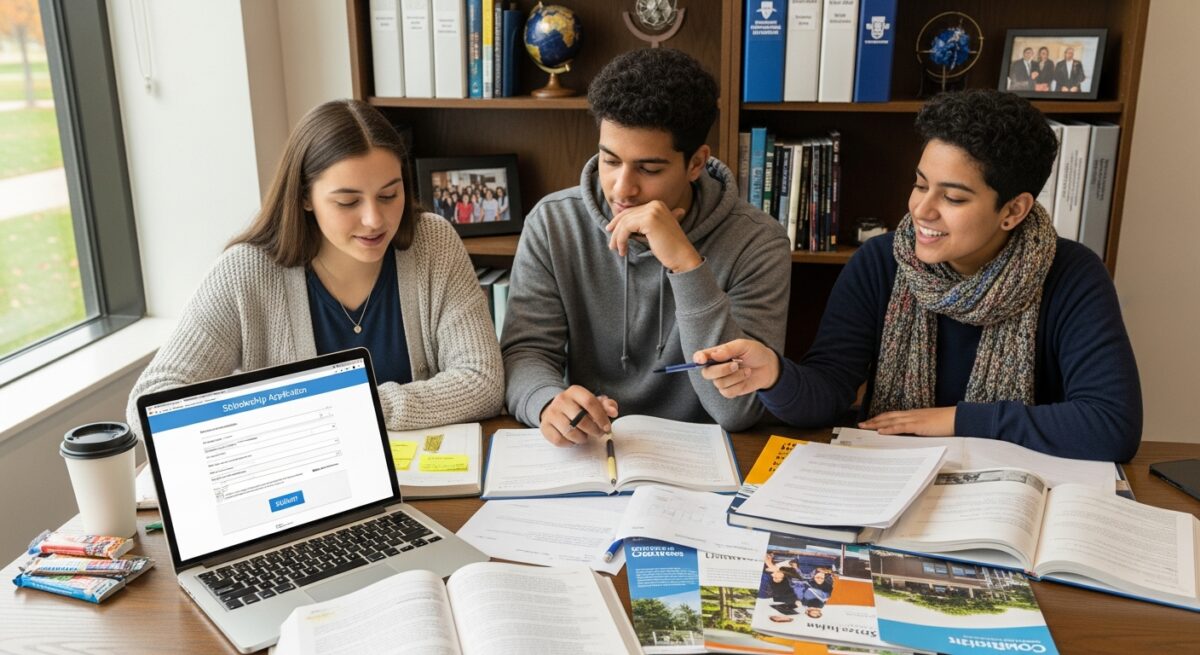

Navigating the world of scholarships in South Dakota can be the key to unlocking an affordable college education without the burden of excessive student debt. For students and families across the state, from Sioux Falls to Rapid City and the rural communities in between, understanding the specific application steps and eligibility criteria is crucial for success. This comprehensive guide will walk you through the entire process, from identifying the right opportunities to submitting a polished application that stands out. By mastering these steps, you can tap into millions of dollars in state-specific, institutional, and private funding designed to support South Dakota’s students.
Understanding the South Dakota Scholarship Landscape
South Dakota offers a robust array of scholarship opportunities, each with its own unique purpose and funding source. The landscape is broadly divided into three main categories: state-funded programs, university-specific awards, and private or community foundation scholarships. State-funded programs, such as the South Dakota Opportunity Scholarship, are often the most sought-after due to their substantial award amounts and recognition. These are typically merit-based and have strict residency and academic requirements. University-specific awards are administered directly by South Dakota’s public and private institutions, like the University of South Dakota, South Dakota State University, and Dakota State University. These can be based on merit, talent, financial need, or a specific field of study. Finally, private scholarships are funded by corporations, non-profits, and community organizations like the Sioux Falls Area Community Foundation or the South Dakota Community Foundation. These may have very specific eligibility criteria tied to a student’s hometown, intended major, or background.
To build a strong application strategy, you must first map out which scholarships you qualify for across all these categories. This requires a clear understanding of your own profile: your academic record, standardized test scores, residency status, financial need, extracurricular activities, and career aspirations. A student from Pierre aiming for a nursing degree will have a different scholarship portfolio than a student from Aberdeen pursuing agricultural science. Start this process early, ideally during your junior year of high school, to ensure you meet all preparatory requirements, such as completing specific coursework or securing necessary community service hours. For a deeper dive into navigating applications from private organizations, our strategic guide to foundation scholarship applications offers valuable insights.
Core Eligibility Requirements for South Dakota Scholarships
While each scholarship has its own fine print, several core eligibility themes are consistent across most South Dakota programs. First and foremost is South Dakota residency. For state-funded aid, you must typically be a U.S. citizen or eligible non-citizen and a legal resident of South Dakota for a specified period, often at least one year prior to application. Proof of residency, such as a driver’s license, voter registration, or parent’s tax returns, will be required. The second universal pillar is academic achievement. Most merit-based scholarships require a minimum GPA (often a 3.0 on a 4.0 scale, but highly competitive ones may require 3.5 or higher) and a minimum ACT or SAT score. For example, the South Dakota Opportunity Scholarship mandates a 24 ACT or 1160 SAT score alongside a specific high school curriculum.
Other common eligibility factors include enrollment status (full-time versus part-time), degree pursuit (first undergraduate degree, specific majors, or graduate programs), and financial need as determined by the FAFSA. Some scholarships are also dedicated to non-traditional students, those entering high-demand workforce fields, or students from underrepresented backgrounds. It is critical to read the eligibility guidelines for each scholarship with extreme care. Overlooking a single requirement, such as a letter of recommendation from a specific type of individual or proof of community service in a particular area, can result in an automatic disqualification, regardless of the strength of the rest of your application.
A Step-by-Step Guide to the Application Process
The scholarship application process is a marathon, not a sprint. A systematic approach reduces stress and increases your chances of success. The following numbered steps provide a clear framework for navigating this journey from start to finish.
- Research and Compile a List: Begin your search at least 12-18 months before your intended college start date. Use the South Dakota Department of Education website, your high school counselor’s office, the financial aid pages of your target colleges, and reputable databases like Scholarship.Education. Create a spreadsheet to track scholarship names, deadlines, amounts, eligibility, and required materials.
- Complete the FAFSA: This is the single most important step for need-based financial aid. The FAFSA (Free Application for Federal Student Aid) opens on October 1 each year. South Dakota has priority deadlines for state aid, so file as early as possible. The FAFSA determines your Expected Family Contribution (EFC), which is used for many state and institutional need-based programs.
- Gather Foundational Documents: Well before deadlines, secure official transcripts, standardized test scores, and your Social Security Number. Ask for letters of recommendation from teachers, counselors, or employers who know you well, providing them with a resume and ample lead time (at least one month).
- Craft Your Application Materials: This includes personal statements and essays. Tailor each essay to the specific scholarship, directly addressing the prompt and highlighting how you meet the award’s mission. Develop a detailed resume outlining your academic history, work experience, leadership roles, awards, and community service.
- Submit Applications Meticulously: Follow submission instructions exactly. Submit online forms before the deadline (aim for at least 48 hours early). For mailed applications, consider certified mail. Keep copies of every submission and confirmation you receive.
- Follow Up and Prepare for Interviews: Some competitive scholarships may require an interview. If so, practice discussing your goals and achievements professionally. After submission, monitor your email and mail for any requests for additional information or notification of awards.
Following these steps creates a disciplined and thorough application campaign. Remember, quality trumps quantity. It is better to submit five exceptionally strong, tailored applications than twenty generic, hastily assembled ones. Your essays, in particular, are where you can make a personal connection with the selection committee. For expert advice on this critical component, explore our resource on how to write a winning scholarship application essay.
Key South Dakota Scholarship Programs and Deadlines
Familiarizing yourself with the flagship programs is essential. The South Dakota Opportunity Scholarship is a cornerstone, offering up to $6,500 over four years to students who complete a rigorous high school curriculum, achieve a 24 ACT/1160 SAT, and maintain a 3.0 GPA in college. The application deadline is typically in the fall of the student’s senior year. The South Dakota Need-Based Grant Program provides assistance to students with significant financial need who may not qualify for merit awards. Eligibility is determined solely by the FAFSA, and funds are limited, so early FAFSA submission is critical.
For students in technical fields, the South Dakota Freedom Scholarship supports those pursuing high-need workforce degrees at technical colleges. The Dakota Corps Scholarship is another significant program, offering full tuition and fees for students who commit to working in a critical need occupation in South Dakota after graduation. Beyond state programs, every public university has its own scholarship portal. For instance, South Dakota State University’s “Jackrabbit Guarantee” provides automatic scholarships based on GPA and test scores. When planning your academic journey, it’s wise to seek clear school-level degree guidance to ensure your chosen program aligns with both your career goals and available funding.
Common Pitfalls and How to Avoid Them
Even diligent students can make costly mistakes during the scholarship application process. One of the most common errors is missing a deadline. To avoid this, treat deadlines as immovable and set personal deadlines one week prior. Another frequent misstep is submitting a generic essay. Scholarship committees can instantly detect an essay that has been recycled from another application. Always customize your response to reflect the values and goals of the specific scholarship provider. Failing to proofread is a third major pitfall. Typos, grammatical errors, and inconsistent formatting signal a lack of care and professionalism. Have at least two other people, such as a teacher and a parent, review your entire application packet before submission.
Other pitfalls include neglecting to apply for smaller awards (these can add up and are less competitive), forgetting to send thank-you notes to recommenders, and not reporting outside scholarships to your college’s financial aid office (which is required and may adjust your aid package ethically). Finally, students often underestimate the importance of the FAFSA, assuming their family income is too high to qualify. Many scholarships and grants use FAFSA data exclusively, so filing it is non-negotiable for a complete financial aid profile.
Frequently Asked Questions
Q: Can I apply for South Dakota scholarships if I plan to attend an out-of-state college?
A: It depends on the scholarship. State-funded programs like the South Dakota Opportunity Scholarship can be used at eligible public, private, or technical institutions within South Dakota. Some may allow use at select out-of-state schools in border communities or for specific programs not offered in-state, but you must check the specific terms. Private community foundation scholarships may also have restrictions.
Q: Do I need to maintain a certain GPA in college to keep my scholarship?
A: Almost all renewable scholarships have renewal criteria. This almost always includes maintaining a minimum GPA (often a 3.0 on a 4.0 scale) and completing a minimum number of credit hours per semester (usually 12-15 for full-time status). You will receive renewal information with your award letter.
Q: How do outside scholarships affect my other financial aid?
A: Federal law requires your college to consider all resources when building your financial aid package. If you receive outside scholarships, your college may adjust your aid, typically starting with reducing student loan offers and then work-study. They should not reduce your need-based grants first. Always report outside awards to your financial aid office.
Q: Are there scholarships for non-traditional or returning adult students in South Dakota?
A> Yes. Many South Dakota institutions and community foundations offer scholarships specifically for adult learners, part-time students, and those returning to college after a break. The South Dakota Need-Based Grant and various workforce development scholarships are also accessible to non-traditional students. Check with your college’s adult learner office and the South Dakota Department of Labor and Regulation.
Q: What is the single most important thing I can do to improve my chances?
A> Beyond meeting eligibility, the most impactful action is to write compelling, authentic, and tailored essays. The essay is your voice in the application process. It allows you to tell your story, explain challenges you’ve overcome, and connect your goals to the mission of the scholarship. A powerful essay can set you apart from applicants with similar grades and test scores.
Securing scholarships in South Dakota demands organization, attention to detail, and a proactive mindset. By starting early, understanding the layered eligibility requirements, and meticulously following the application steps outlined here, you can significantly reduce the financial barriers to higher education. Remember, this process is an investment in your future. The time and effort you dedicate now to crafting strong applications can yield returns that ease your financial burden for years to come, allowing you to focus on your studies and career preparation with greater peace of mind.