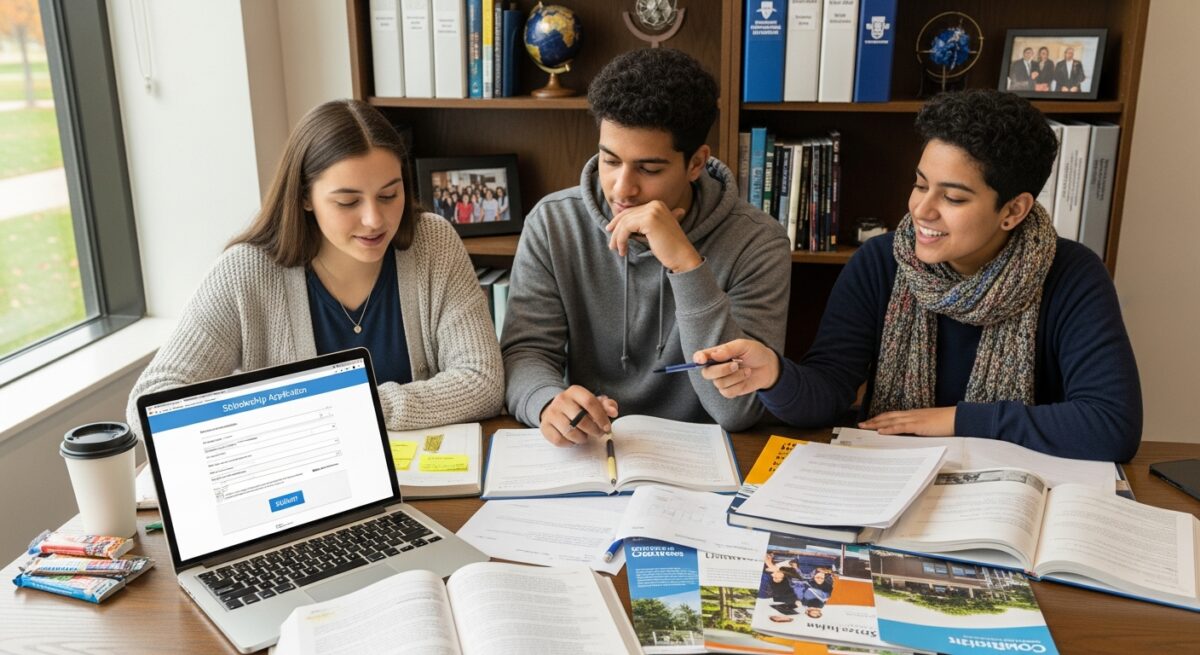
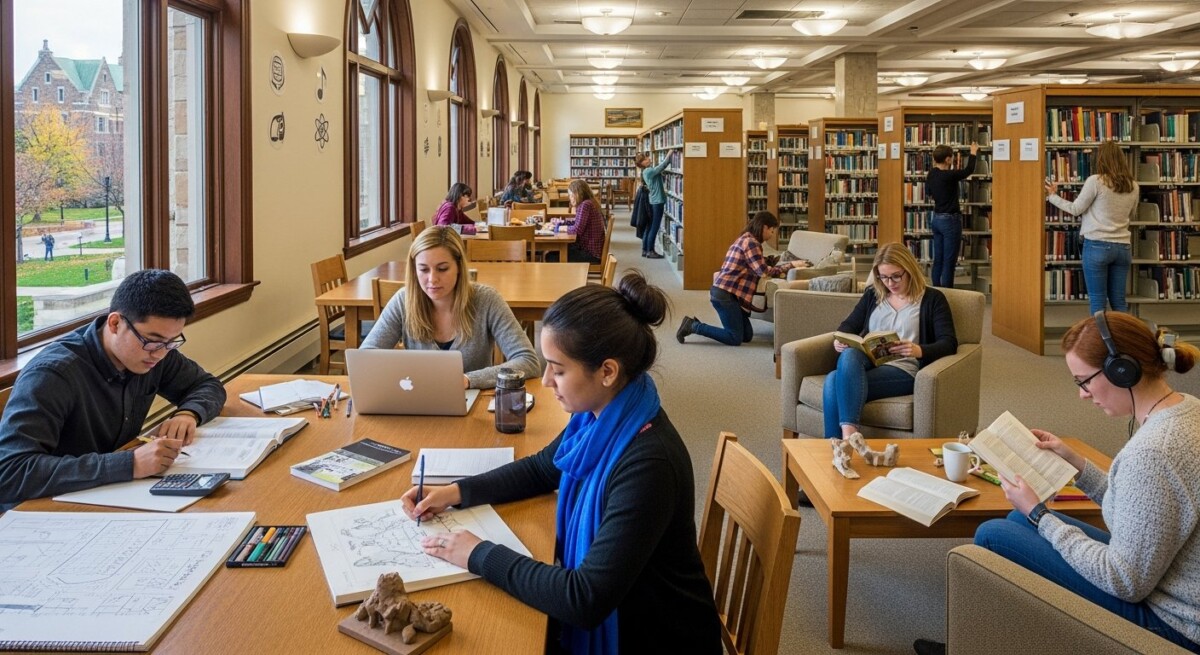
The debate around online learning vs campus education has never been more relevant. For decades, the traditional college experience defined higher education: lecture halls, dormitories, and face-to-face interaction with professors. Then came the digital revolution, accelerated by global events, which forced millions of students to reconsider how they learn. Today, students face a genuine fork in the road. Choosing between a physical campus and a virtual classroom is not just about convenience; it is a decision that affects your finances, your learning style, your career trajectory, and your personal life. This article breaks down the critical differences, advantages, and drawbacks of each model to help you make an informed choice that aligns with your goals.
Before diving into the specifics, it is important to recognize that neither option is universally superior. A campus-based degree offers structure, social immersion, and access to physical resources like libraries and labs. An online degree offers flexibility, lower overhead costs, and the ability to balance work or family obligations. The right choice depends on your unique circumstances. As you read through this comparison, consider your own discipline, budget, and long-term career aspirations. For students exploring flexible pathways, our guide on free online learning university options provides additional context on no-cost alternatives.
Flexibility and Scheduling: The Core Divide
The most significant difference between online learning and campus education is the structure of time. Campus education operates on a fixed schedule. Classes meet at specific times, often multiple times per week. You must be physically present, which means commuting, parking, and adhering to a rigid academic calendar. This structure can be beneficial for students who thrive on routine and external accountability. However, it poses a major challenge for those who work full-time, have children, or live far from the institution.
Online learning, in contrast, is built around flexibility. Most programs offer asynchronous courses, meaning you access lectures, readings, and assignments on your own schedule. You might study at 5 a.m. before work or at 10 p.m. after putting the kids to bed. This flexibility is the primary reason many non-traditional students choose online degrees. It allows you to continue earning an income while pursuing a credential. However, this freedom requires discipline. Without the physical reminder of a classroom, some students struggle with procrastination. You must be self-motivated and proficient at time management to succeed in an online environment.
Cost Comparison: Tuition, Fees, and Hidden Expenses
When comparing online learning vs campus education, cost is often the deciding factor. Campus education comes with significant expenses beyond tuition. These include room and board (dorm fees or off-campus rent), meal plans, transportation (gas, parking permits, or public transit), and activity fees. The total cost of attendance at a four-year public university can easily exceed $25,000 per year when factoring in living expenses. Private universities can be double that amount.
Online programs typically charge lower tuition rates because they do not maintain physical buildings, athletic facilities, or large grounds crews. Furthermore, you eliminate commuting costs and housing expenses. Many online students continue working full-time, which offsets the opportunity cost of lost wages. However, online students must account for technology costs: a reliable computer, high-speed internet, and sometimes specific software. Some online programs also charge distance-learning fees or proctoring fees for exams. Despite these minor costs, the financial advantage of online education is clear for most students.
Here are the key cost factors to evaluate for each mode of delivery:
- Campus costs: Tuition, mandatory campus fees, dormitory or apartment rent, meal plans, parking permits, textbooks, and social activity costs.
- Online costs: Tuition (often lower per credit hour), technology fees, internet service, computer hardware, digital textbooks, and proctoring fees.
- Hidden savings with online: No relocation costs, no lost income from quitting a job, and lower childcare expenses since you study at home.
- Financial aid relevance: Both pathways qualify for federal financial aid (FAFSA), scholarships, and grants. However, some scholarships are only available to on-campus students.
It is also worth noting that many employers offer tuition reimbursement programs, and these often favor online degrees because they allow employees to study without disrupting their work schedule. If cost is your primary concern, an online program from an accredited institution can significantly reduce your debt burden.
Learning Experience and Academic Quality
A common misconception is that online degrees are academically inferior. This is not true when the program is properly designed and accredited. High-quality online programs use sophisticated learning management systems (LMS), video lectures, interactive simulations, discussion forums, and virtual office hours. Professors in online courses often record lectures that you can rewatch, which is a distinct advantage for complex subjects. You can pause, rewind, and review material until you understand it.
Campus education, however, offers spontaneous interaction. You can raise your hand, ask a question in real-time, and join a study group immediately after class. The physical presence of a professor and peers creates an environment where ideas are debated on the spot. For disciplines that require hands-on practice (nursing, engineering, chemistry labs), campus education remains essential. While some online programs ship lab kits to students or use virtual simulations, these cannot fully replicate the experience of a physical lab. For theoretical subjects like business, history, or computer science, the quality difference between online and campus is negligible.
Accreditation is the critical factor here. Whether you choose online or campus, you must ensure the institution is regionally accredited. Employers and graduate schools do not distinguish between a degree earned online versus on campus when the university is accredited and reputable. The stigma that once surrounded online education has largely disappeared. In fact, many top-tier universities now offer fully online degrees.
Social Interaction and Networking Opportunities
The campus experience is synonymous with social growth. Living in dorms, joining clubs, attending sporting events, and networking with peers over coffee creates a rich social fabric. These interactions build soft skills like teamwork, communication, and conflict resolution. They also create a professional network that can last a lifetime. Many people find their first job through a college roommate or a professor they met in office hours.
Online learning can feel isolating if not approached strategically. However, modern online programs have evolved. They offer virtual study groups, discussion boards, live video seminars, and even in-person residency requirements for certain programs. You can still build relationships with classmates through group projects and social media channels. Networking in an online environment requires more intentional effort. You must actively participate in forums, reach out to peers via email, and attend virtual career fairs. For students who are naturally introverted or who already have a strong local network, the reduced social pressure of online learning can be a benefit.

For those prioritizing career advancement through connections, campus education might offer a slight edge. But for students focused on acquiring specific skills or credentials while maintaining their existing personal and professional relationships, online learning is a viable alternative.
Self-Discipline and Learning Style Fit
Your personality and learning habits play a major role in this decision. Campus education provides external structure. You have a set time to wake up, a place to go, and people expecting you. This structure helps students who struggle with self-motivation. The physical separation between home and school also helps with focus. When you are on campus, you are in learning mode. When you are at home, you can relax.
Online learning demands a high degree of self-regulation. You must create your own schedule, avoid distractions (social media, household chores, television), and meet deadlines without a professor reminding you. Some students thrive in this autonomous environment. They appreciate being able to work at their own pace and spend extra time on difficult topics. Others find it overwhelming and fall behind. If you know you need a structured environment to succeed, campus education is likely the better choice. If you are disciplined, organized, and comfortable with technology, online learning can be a powerful tool.
Career Outcomes and Employer Perception
Employers today care more about skills and accreditation than the delivery format. A degree from a respected, regionally accredited university carries weight whether it was earned online or on campus. In fields like information technology, business administration, and healthcare administration, online degrees are widely accepted. Many companies, including major tech firms, actively recruit from online programs.
That said, certain professions still value the campus experience. For example, law, medicine, and academia often place a premium on the prestige and networking of specific on-campus programs. If you are aiming for a career in investment banking or high-level consulting, the brand of a top-tier on-campus program may open doors that an online degree from a lesser-known school cannot. However, for the vast majority of careers, the degree itself (and your demonstrated skills) matters far more than how you obtained it.
Some online programs also offer strong career services, including resume reviews, mock interviews, and job placement assistance. When evaluating programs, check the career outcomes statistics. Compare graduation rates, job placement rates, and average starting salaries for both online and on-campus cohorts.
Frequently Asked Questions
Is an online degree respected by employers?
Yes, as long as the institution is regionally accredited. Most employers do not differentiate between online and on-campus degrees from the same university. The key is to verify accreditation and choose a reputable program.
Can I get financial aid for online learning?
Yes. Students enrolled in accredited online degree programs are eligible for federal financial aid (FAFSA), scholarships, and grants. You should also check with your employer about tuition reimbursement programs.
Which is cheaper: online or campus education?
Generally, online education is cheaper when you factor in tuition, housing, transportation, and lost wages. However, some online programs charge high technology fees. Always compare the total cost of attendance for both options.
Are online classes easier than campus classes?
No. The academic rigor depends on the institution and program, not the delivery method. Online courses often require more reading and self-directed study because there is less in-class instruction time.
What if I need hands-on training?
For fields like nursing, engineering, or the sciences, campus education is usually better. However, some online programs offer hybrid models where you complete theory online and attend short on-campus intensives for lab work.
The choice between online learning vs campus education ultimately comes down to your personal priorities, financial situation, and career goals. Campus education offers a time-honored social and structured experience. Online learning offers flexibility, affordability, and the ability to earn while you learn. Both paths can lead to a successful career if you choose an accredited program and commit to your studies. We recommend visiting collegedegrees.school to explore accredited programs that match your interests. Take the time to research thoroughly, speak with current students or alumni, and align your choice with the lifestyle you want to live. Your education is an investment. Make sure the format fits the life you are building.