Being the first in your family to attend college is a monumental achievement, but it often comes with unique financial challenges. Without a parent who has navigated the FAFSA, scholarship searches, or application deadlines, the path to funding your education can feel overwhelming. However, a growing number of organizations recognize the resilience and determination of first generation students. They have created dedicated funding opportunities to support your journey. This article explores the best scholarships for first generation college students, offering a clear roadmap to secure the financial aid you deserve.
First generation scholarships are designed to level the playing field. They acknowledge that you are breaking new ground for your family and community. Many of these awards go beyond just tuition assistance. They often include mentorship programs, networking opportunities, and academic support to help you thrive. Whether you are a high school senior or a returning adult learner, understanding where to find these funds is the first step toward a debt-free degree.
What Are First Generation Scholarships?
First generation scholarships are financial awards specifically for students whose parents or guardians did not earn a four-year college degree. The definition can vary by program. Some require that neither parent attended college at all. Others consider a student first generation if their parents completed some college but did not earn a bachelor’s degree. These scholarships aim to reduce the financial barrier for students who lack generational knowledge about higher education costs.
Applying for these scholarships often involves demonstrating financial need, academic potential, and leadership qualities. Many programs also ask for a personal essay about your background and aspirations. This is your chance to share your story of perseverance. The growing availability of these awards reflects a national effort to increase college access and completion rates among underrepresented groups. In our guide on the different types of scholarships for college, we explain how need-based and merit-based awards can work together to fund your education.
Top National Scholarships for First Generation Students
1. The Gates Scholarship
Funded by the Bill and Melinda Gates Foundation, this highly selective scholarship covers the full cost of attendance for Pell-eligible, first generation students. It targets outstanding minority high school seniors who have demonstrated leadership and academic excellence. Recipients receive funding for tuition, fees, room, board, books, and even transportation. The application process is rigorous, requiring essays, recommendations, and a detailed financial profile. Deadlines typically fall in the fall of your senior year.
2. QuestBridge National College Match
QuestBridge connects high-achieving, low-income first generation students with partner colleges. Through the National College Match program, students can apply for early admission to top universities with a full four-year scholarship. This program covers tuition, room and board, and other expenses. It is an incredible opportunity to attend elite institutions without financial worry. The application includes a comprehensive review of your academic record, financial situation, and personal story.
3. Coca-Cola First Generation Scholarship
The Coca-Cola Scholars Foundation partners with colleges across the country to offer renewable scholarships for first generation students. Each partner college selects its own recipients based on academic achievement, community service, and leadership. The award amount varies by institution but can range from $5,000 to $20,000 per year. This scholarship is unique because it is administered locally, meaning you apply through your chosen college’s financial aid office.
4. Horatio Alger National Scholarship
The Horatio Alger Association offers scholarships specifically for students who have overcome significant adversity. While not exclusively for first generation students, many recipients are the first in their family to attend college. The National Scholarship provides up to $25,000 for students who demonstrate critical financial need, academic achievement, and a commitment to community service. Applicants must be enrolled full-time in a four-year college and maintain a minimum GPA.
State-Specific and Regional Opportunities
Many states offer first generation scholarships to encourage residents to pursue higher education within the state. For example, the California Student Aid Commission provides the Cal Grant program, which gives priority to first generation students from low-income families. Similarly, the Texas First Generation Scholarship Program awards funds to students attending public universities in Texas. Research your state’s higher education agency or department of education for local options. These awards often have earlier deadlines but less competition than national programs.
Regional foundations and community organizations also play a vital role. The Hispanic Scholarship Fund, the United Negro College Fund, and the American Indian College Fund all prioritize first generation students within their respective communities. These organizations often provide not just money but also mentorship and career development. Combining a state award with a national scholarship can significantly reduce your out-of-pocket costs.
How to Find and Apply for First Generation Scholarships
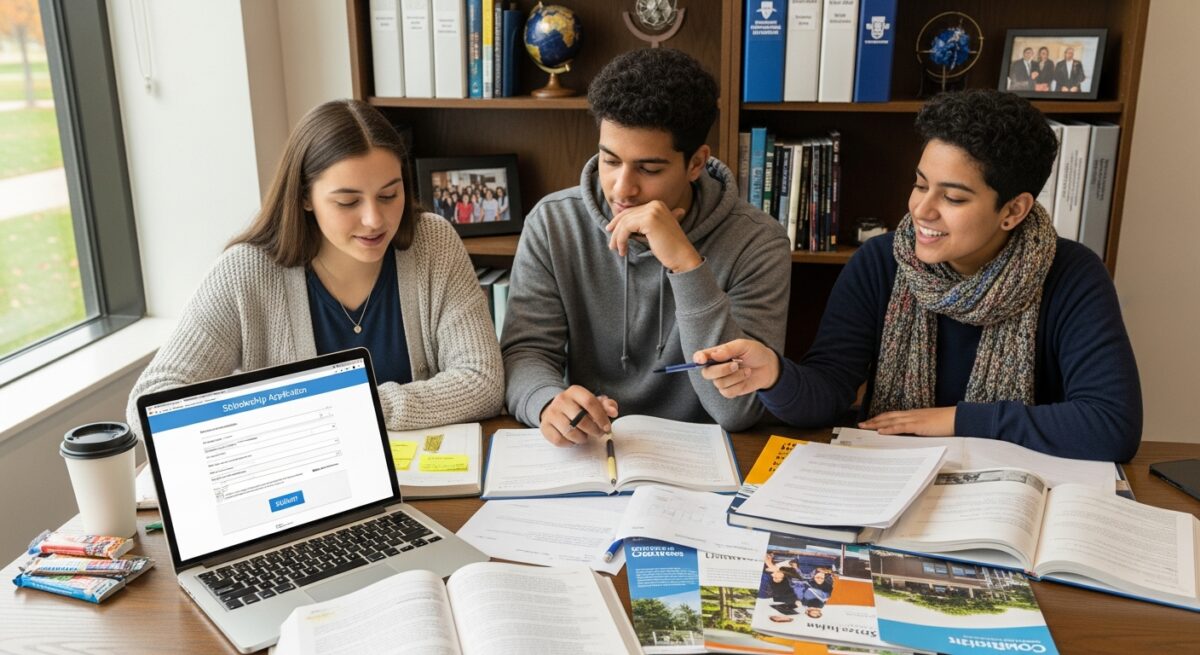
Finding the right scholarships requires a strategic approach. Start with your high school counselor or college financial aid office. They often maintain a list of local and institutional awards for first generation students. Next, use reputable scholarship search engines like the one on Scholarship.Education. Filter your search by keywords such as “first generation,” “first in family,” and “new majority.” Create a spreadsheet to track deadlines, requirements, and award amounts.
When applying, focus on quality over quantity. A strong, personalized essay is more valuable than submitting dozens of generic applications. Many first generation scholarships ask about your family background and your motivation for attending college. Be honest and specific. Share how your experiences have shaped your goals. If a program requires letters of recommendation, ask teachers, mentors, or employers who know you well. Give them at least two weeks’ notice and provide a summary of the scholarship’s purpose.

Here are key steps to streamline your application process:
- Create a master calendar with all scholarship deadlines, prioritized by award amount and fit.
- Write one strong personal statement that you can adapt for multiple applications, adding specific details for each scholarship.
- Request transcripts and recommendation letters early, even before the application opens.
- Proofread every application carefully or ask a trusted friend to review it for errors.
- Submit all materials before the deadline to avoid technical glitches or last-minute stress.
Following these steps can transform the overwhelming task of scholarship hunting into a manageable process. Remember that many first generation scholarships are renewable, meaning you can receive funding for all four years of college. This makes the initial effort even more valuable. For more detailed strategies, consider visiting CollegeDegree.School for additional resources on degree planning and financial aid.
Institutional Scholarships at Colleges and Universities
Many colleges offer their own first generation scholarships to attract and support these students. For example, the University of Michigan’s Go Blue Guarantee provides free tuition for in-state students from families earning under $65,000, with a priority for first generation students. Private institutions like Davidson College and Vanderbilt University also have robust first generation support programs that include both scholarships and academic advising. When researching schools, visit their financial aid website and look for terms like “first generation initiative” or “Pell Grant matching.”
Applying to colleges that value first generation success can pay off. Some schools automatically consider you for institutional scholarships when you submit your admission application. Others require a separate application or essay. Reach out to the admissions office to confirm. Building a relationship with the financial aid staff can also uncover hidden funding opportunities. They can guide you toward department-specific awards or emergency grants that are not widely advertised.
Frequently Asked Questions
What qualifies as a first generation college student?
Most definitions require that neither parent nor legal guardian has earned a bachelor’s degree. Some programs consider you first generation if your parents completed some college but did not graduate with a four-year degree. Always check the specific eligibility criteria for each scholarship.
Can I apply for first generation scholarships if I am an adult returning to college?
Yes, many first generation scholarships are open to non-traditional students. Programs like the Adult Students in Scholastic Transition (ASIST) and the P.E.O. Program for Continuing Education specifically support adult learners who are the first in their family to attend college.
Do first generation scholarships cover graduate school?
Some do. The Paul & Daisy Soros Fellowships for New Americans, for example, support first generation graduate students. However, most first generation scholarships are for undergraduate study. Graduate students should look for fellowships and assistantships offered by their department or professional organizations.
How do I prove I am a first generation student?
Scholarship applications typically require you to submit a statement or form confirming your parents’ education level. Some programs ask for a brief essay explaining your family background. You may need to provide documentation such as your parents’ tax returns or a letter from your high school counselor.
Securing scholarships for first generation college students is not just about money. It is about gaining access to a supportive community that understands your journey. These awards affirm that your unique perspective and drive are valuable assets in higher education. As you plan your path, remember that resources like Scholarship.Education are here to help you discover opportunities that fit your goals.
Start your search today. Create a list of first generation scholarships that match your profile, gather your documents, and write your story. With persistence and the right strategy, you can build a strong financial foundation for your college education. Your family’s first degree is within reach, and these scholarships are designed to help you achieve it.