
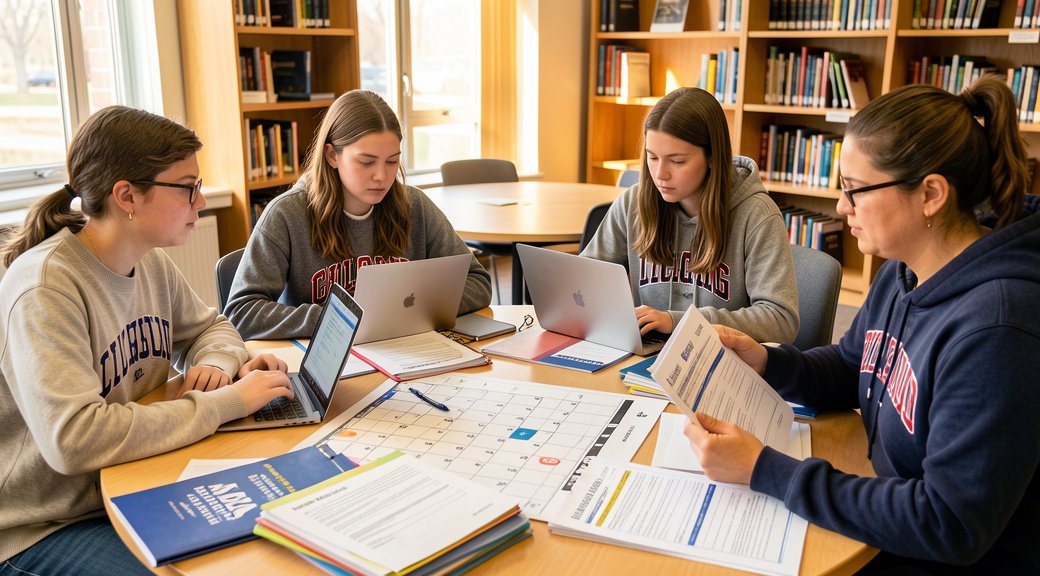
Navigating the world of college scholarships can feel overwhelming, especially for Illinois students and their families. With tuition costs rising across the state, securing financial aid is no longer optional for many families; it is essential. The good news is that Illinois offers a robust ecosystem of state-funded grants, institutional awards, and private scholarships. However, the application process itself often creates the biggest barrier. This guide provides comprehensive Illinois scholarship application assistance and resources to help you find, apply for, and win the funding you need for college.
Whether you are a high school senior in Chicago, a community college student in Springfield, or an adult learner returning to school in downstate Illinois, the strategies in this article will help you cut through the noise. We will cover the major Illinois-specific programs, the most effective application strategies, and where to find reliable help. By the end, you will have a clear roadmap for maximizing your financial aid package and reducing your out-of-pocket costs.
Understanding Illinois State-Based Scholarship Programs
Illinois provides several need-based and merit-based scholarship opportunities funded by the state government. The most well-known is the Monetary Award Program (MAP), which provides need-based grants to Illinois residents attending approved in-state colleges. MAP grants are awarded on a first-come, first-served basis, so submitting your FAFSA early is critical. The application priority date for MAP funding typically aligns with the FAFSA submission window, which opens October 1 each year.
Beyond MAP, Illinois also offers the Illinois Merit Recognition Scholarship (MRS) for high-achieving students, though funding for this program has been inconsistent in recent years. Additionally, the Illinois Department of Veterans Affairs administers scholarships for children of veterans and active-duty service members. Each program has different eligibility criteria, deadlines, and application processes. For a full list of state-funded programs, visit the Illinois Student Assistance Commission (ISAC) website directly.
Finding and Filtering Private Scholarships in Illinois
While state grants are crucial, private scholarships fill the gap for many students. Thousands of organizations in Illinois offer awards ranging from $500 to full tuition. These include local community foundations, professional associations, ethnic organizations, and corporate sponsors. The key is to search smartly and avoid scholarship scams. Never pay an application fee for a scholarship; legitimate awards do not charge to apply.
To streamline your search, use trusted scholarship databases that allow you to filter by location, field of study, and demographic criteria. We recommend starting with the scholarship search tool on Scholarship.Education, which aggregates vetted opportunities for Illinois students. You can also check with your high school guidance office, local public library, and the financial aid office of your target college. Many small, local scholarships have fewer applicants, significantly improving your odds of winning.
Here are three key strategies for finding Illinois-specific private scholarships:
- Target local community foundations: Organizations like the Chicago Community Trust and the Community Foundation of Northern Illinois offer dozens of scholarships for residents of specific counties or cities.
- Check professional and trade associations: If you plan to study nursing, engineering, teaching, or agriculture, look for Illinois chapters of national associations that often fund scholarships for students entering those fields.
- Ask employers and unions: Many Illinois-based companies and labor unions offer tuition assistance or scholarship programs for employees and their dependents. Your parents’ employers may have programs you have not considered.
Once you identify a list of scholarships, create a tracking spreadsheet with deadlines, requirements, and submission status. This organizational step is one of the most overlooked aspects of successful scholarship applications. Staying organized reduces stress and ensures you never miss a deadline.
Step-by-Step Application Process for Illinois Students
Applying for scholarships requires more than just filling out forms. It demands a strategic approach that highlights your unique background and achievements. The process typically involves submitting a completed application form, transcripts, letters of recommendation, and a personal essay. Many students lose out simply because they submit incomplete applications or generic essays that fail to tell a compelling story.
Gathering Required Documents Early
Start by collecting all necessary documents before you begin writing essays. This includes your Social Security number, your parents’ tax returns (for need-based aid), high school transcripts, and a list of extracurricular activities. If you are a transfer or adult student, you will also need previous college transcripts. Having these documents ready allows you to complete applications quickly when deadlines approach. For those seeking broader guidance on the college selection process, our guide on Ohio scholarship application assistance and funding options provides a similar framework that can be adapted to Illinois programs.
Writing a Standout Scholarship Essay
The personal essay is often the deciding factor in competitive scholarship decisions. Illinois scholarship committees want to see authenticity, clear goals, and a connection to the state or community. Avoid generic statements about wanting to help people. Instead, tell a specific story about a challenge you overcame, a volunteer project you led, or how your Illinois upbringing shaped your ambitions. For example, if you grew up in a rural farming community and want to study sustainable agriculture, explain how that environment inspired your career path.
A strong essay structure includes a hook in the first paragraph, a clear narrative arc, and a conclusion that ties back to why the scholarship matters for your future. Proofread carefully and ask a teacher or mentor to review your draft. Many Illinois scholarships also ask for a short statement about your financial need. Be honest and specific about your family’s circumstances without over-dramatizing.
Leveraging Free Assistance Programs in Illinois
You do not have to navigate this process alone. Illinois is home to several free programs designed to help students complete financial aid applications and scholarship forms. The Illinois Student Assistance Commission (ISAC) hosts free FAFSA completion events and webinars throughout the year. College Illinois, the state’s prepaid tuition program, also offers resources for families planning ahead. Additionally, many high schools and community organizations host “College Goal Sunday” events where volunteers provide one-on-one help with financial aid forms.
For students who need more personalized support, consider reaching out to local nonprofit organizations like the Bottomless Closet or Erie House, which offer mentoring and scholarship application workshops. Many public libraries in Illinois also provide free access to scholarship databases and trained staff who can help with research. Taking advantage of these free resources can save you hours of frustration and improve the quality of your applications.
If you are considering online degree programs or need to understand how different academic qualifications align with scholarship eligibility, you may find it helpful to review school-level degree guidance for clarity on degree pathways and what types of programs are most likely to qualify for state aid.
Common Mistakes Illinois Applicants Make
Even strong candidates miss out on scholarships due to avoidable errors. The most common mistake is missing deadlines. Illinois MAP grants are awarded on a first-come, first-served basis, and the funding often runs out within weeks of the FAFSA opening. Another frequent error is failing to read eligibility requirements carefully. Some scholarships require a minimum GPA, specific course loads, or Illinois residency that must be documented with a state ID or utility bill.
Other pitfalls include submitting generic essays that do not answer the prompt, asking for recommendations at the last minute, and neglecting to follow up on application status. Always confirm that your application was received and is complete. A polite email to the scholarship administrator a week after submission can demonstrate initiative and ensure nothing was lost. Finally, do not ignore small scholarships. Applying for ten $500 scholarships is often easier than winning one $5,000 award, and the total can add up significantly.
Frequently Asked Questions
What is the first step to apply for Illinois scholarships?
The first step is completing the Free Application for Federal Student Aid (FAFSA) at fafsa.gov. This form determines your eligibility for federal aid, Illinois MAP grants, and many institutional scholarships. Submit it as early as possible after October 1.
Are there scholarships for non-traditional or adult students in Illinois?
Yes. Illinois offers the Illinois Adult Education Scholarship and several other programs for returning students. Private scholarships through organizations like the American Association of University Women (AAUW) also support adult learners. Check with your college’s financial aid office for specific programs.
Do I need to be a high school senior to apply for Illinois scholarships?
Not necessarily. While many scholarships target graduating seniors, there are awards for current college students, graduate students, and even middle school students planning for college. Always check the eligibility requirements for each scholarship.
Can I use Illinois scholarships for online or out-of-state schools?
Most Illinois state grants, like MAP, can only be used at approved Illinois institutions, including online programs offered by those schools. Private scholarships may have different rules. Read the terms carefully before applying.
Where can I find free help with my scholarship applications?
The Illinois Student Assistance Commission (ISAC) offers free workshops and webinars. Local libraries and high school guidance counselors also provide free assistance. You can also use the resource guides on Scholarship.Education for step-by-step support.
Securing Illinois scholarship application assistance and resources is not just about finding money; it is about gaining confidence in your educational future. By starting early, staying organized, and using the free support systems available across the state, you can significantly reduce the financial burden of college. Every application you complete brings you one step closer to achieving your academic goals. Take the first step today by filing your FAFSA and exploring the scholarship database on Scholarship.Education.