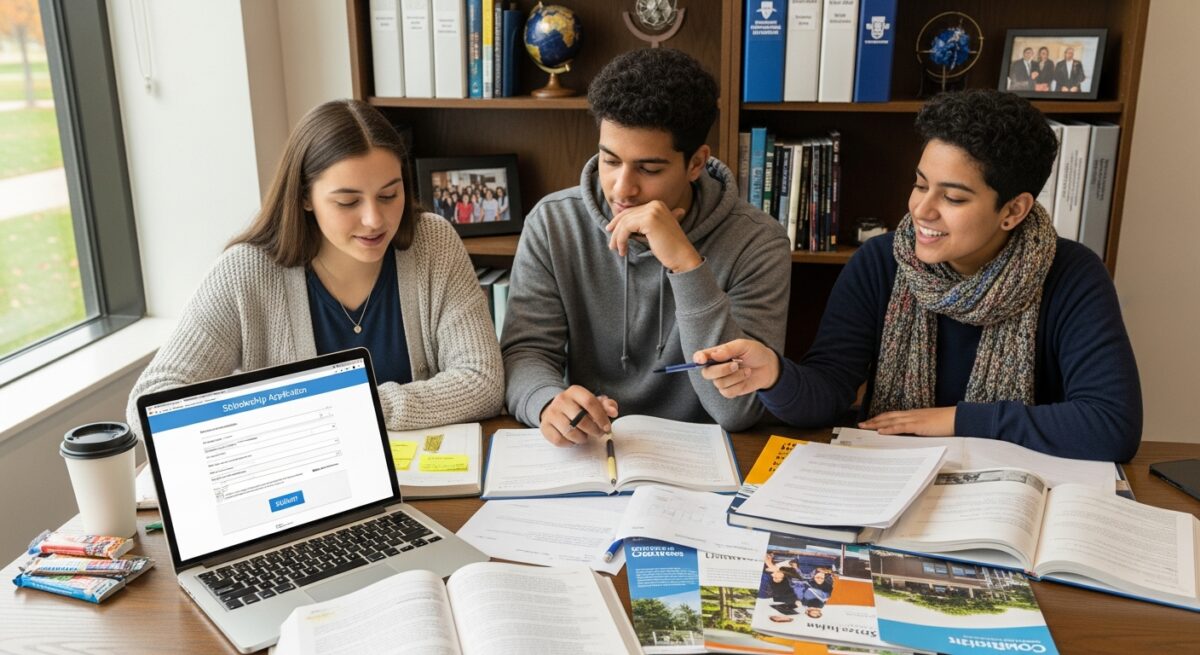

Washington State offers a robust portfolio of state-funded scholarships designed to make higher education accessible for residents across the Evergreen State. Whether you are a high school senior exploring college options, a returning adult learner, or a military family member, understanding these opportunities can significantly reduce the financial burden of tuition, fees, and living expenses. Unlike private scholarships that often depend on merit alone, Washington’s state-funded programs frequently prioritize financial need, residency, and specific fields of study. This guide walks you through the major programs, eligibility requirements, application strategies, and tips for maximizing your awards. By tapping into these resources, Washington residents can pursue degrees from associate to doctoral levels with less debt and greater confidence.
Why Washington State-Funded Scholarship Opportunities Matter for Residents
Washington has long recognized that an educated workforce drives economic growth and community well-being. State-funded scholarships are a direct investment in residents, aiming to lower barriers to college entry and completion. These programs are particularly valuable because they are designed to serve Washingtonians first, often with no out-of-state competition. For many families, the difference between attending a dream school or settling for a local community college hinges on financial aid. State-funded scholarships can fill gaps left by federal aid and institutional grants, making it possible for students to attend public universities, community colleges, and even select private institutions within the state.
Additionally, these scholarships often come with supportive services such as mentoring, academic advising, and career counseling. Programs like the Washington College Grant (formerly the State Need Grant) are among the most generous in the nation, covering full tuition for eligible low-income students at public colleges. Other targeted programs support students pursuing high-demand fields like teaching, healthcare, and STEM. By understanding the full landscape of Washington state-funded scholarship opportunities for residents, you can create a strategic financial plan that minimizes loans and maximizes graduation outcomes.
Major Washington State-Funded Scholarship Programs
Several key programs form the backbone of Washington’s financial aid system. Each has distinct eligibility criteria, award amounts, and application processes. Below is an overview of the most impactful scholarships available to state residents.
Washington College Grant (WA Grant)
The Washington College Grant is the state’s flagship need-based aid program. It guarantees funding for eligible students from low- and middle-income families who attend participating colleges in Washington. The grant covers tuition and some fees at public two- and four-year institutions, and provides a set amount for private nonprofit colleges and career training programs. Eligibility is determined by family income relative to the state median. For example, a family of four earning up to $100,000 per year may qualify for partial funding, while those earning less than $50,000 may receive full tuition coverage. Students must file the FAFSA or Washington Application for State Financial Aid (WASFA) each year to apply. The grant is renewable for up to five years as long as recipients maintain satisfactory academic progress and continue to meet income guidelines.
College Bound Scholarship
This early-commitment program promises tuition funding to low-income students who sign up in middle school (grades 7 or 8) and fulfill pledge requirements through high school. Participants must maintain a minimum GPA, stay out of the juvenile justice system, and graduate on time. The scholarship covers average tuition at a Washington public college, plus a small book allowance. It is particularly effective at creating a college-going culture among families who might not otherwise consider higher education. Students who receive the College Bound Scholarship can also layer other state and federal aid on top of it. Families should note that enrollment in the program closes after 8th grade, so early awareness is critical.
Washington State Opportunity Scholarship (WSOS)
The Washington State Opportunity Scholarship supports students pursuing degrees in high-demand fields such as engineering, computer science, health care, and construction trades. Funded by a public-private partnership, WSOS provides up to $22,500 for baccalaureate students and up to $15,000 for students in career and technical programs. Eligible students must be Washington residents, demonstrate financial need, and enroll in a participating institution. In return, recipients commit to working in Washington for at least three years after graduation. This bond between education and state workforce needs makes WSOS a win-win for both students and employers. The application cycle opens annually, and students are encouraged to apply early due to limited funding.
Eligibility Requirements and How to Apply
While each program has unique criteria, most Washington state-funded scholarships share common eligibility pillars. First and foremost, applicants must be Washington residents, typically defined as living in the state for at least one year for purposes other than education. Proof of residency may include a Washington driver’s license, voter registration, or tax records. Second, most programs require completion of the FAFSA or WASFA to determine financial need. Undocumented students who qualify under Washington’s Real Hope Act can use the WASFA to apply for state aid without a Social Security number. Third, applicants must be enrolled or accepted at an eligible institution, which includes public community colleges, technical schools, four-year universities, and some private colleges in Washington.
Application steps generally follow this sequence:
- Complete the FAFSA or WASFA as early as possible after October 1 each year.
- Check individual program websites for supplementary applications or essays.
- Gather supporting documents such as tax returns, residency proof, and academic transcripts.
- Submit all materials before published deadlines, typically in late spring or early summer.
- Monitor your student portal and email for award notifications and follow-up requirements.
Because deadlines vary, creating a calendar of scholarship dates is essential. The Washington Student Achievement Council (WSAC) maintains a comprehensive list of state-funded aid programs and their deadlines. Students can also use the Washington State College Scholarship Programs guide on Scholarship.Education to compare options side by side. Missing a deadline often means waiting a full year for the next cycle, so timely submission is paramount.
Maximizing Your Scholarship Awards
Securing one state-funded scholarship is a great start, but savvy students can stack multiple awards to cover more of their costs. For example, a student receiving the Washington College Grant can also apply for the Washington State Opportunity Scholarship if they pursue an eligible STEM or health care major. Similarly, the College Bound Scholarship can be combined with federal Pell Grants and institutional aid. However, total aid from all sources cannot exceed the cost of attendance as defined by the school. To maximize your package, follow these strategies:
- Apply early to need-based programs, as some funds are distributed on a first-come, first-served basis.
- Research program-specific scholarships related to your intended major or career field.
- Maintain a strong GPA and credit load to meet renewal requirements.
- Contact financial aid offices to ask about supplementary grants or emergency aid.
- Reapply each year, as income changes or new programs may become available.
For those exploring scholarships tied to specific academic disciplines, the Targeted Funding: Scholarship Opportunities by Academic Discipline article provides additional insights. Combining state funds with federal aid and private scholarships can dramatically reduce or even eliminate tuition costs. Remember that scholarships are not just for freshmen; many state programs support continuing students, transfer students, and graduate researchers. Persistence in applying year after year often pays off.
Frequently Asked Questions
Can I use Washington state-funded scholarships at out-of-state schools?
Generally, no. Most Washington state-funded scholarships are designed for students attending eligible institutions within Washington state. Programs like the Washington College Grant and College Bound Scholarship specifically require enrollment at participating Washington colleges. However, some scholarships may have portability agreements with select out-of-state schools in neighboring states or through special reciprocity programs. Always check the official program guidelines before assuming a scholarship will follow you across state lines.
Do I need to be a U.S. citizen to apply for Washington state scholarships?
Not necessarily. Washington’s Real Hope Act allows undocumented students who meet certain criteria (such as attending a Washington high school for at least three years and graduating) to apply for state financial aid using the WASFA. Many state-funded scholarships, including the Washington College Grant, are available to eligible non-citizens who meet residency and income guidelines. However, federal aid like Pell Grants still requires U.S. citizenship or eligible non-citizen status. Check each scholarship’s specific citizenship requirements.
What happens if my family income increases while I am receiving a scholarship?
Most need-based state scholarships recalculate eligibility each year based on updated FAFSA or WASFA data. If your family income rises significantly, your award amount may decrease or you may lose eligibility. However, some programs offer a grace period or adjust awards gradually to prevent sudden loss of funding. Communicate with your financial aid office if your circumstances change during the academic year. You can also explore merit-based scholarships that do not depend on income.
Are there state-funded scholarships for graduate students in Washington?
Yes, though fewer than undergraduate programs. The Washington State Opportunity Scholarship (WSOS) offers limited support for graduate students in health care fields, such as nursing and medical degrees. Some state-funded programs also support teacher certification and specialized STEM graduate studies. Additionally, Washington residents may qualify for the State Work-Study program, which funds part-time jobs related to your field of study. Check with your graduate school’s financial aid office for program-specific state funding.
Take Action Now to Secure Your Education Funding
Washington’s commitment to making college affordable is evident in the breadth and depth of its state-funded scholarship programs. From the Washington College Grant’s income-based coverage to the targeted support of the Opportunity Scholarship, residents have powerful tools to reduce college costs. The key is to start early, stay organized, and apply consistently. For more detailed comparisons of programs and personalized guidance, explore the resources available on Scholarship.Education, including application timelines and eligibility checklists. Remember that financial aid is not a one-time event but an annual process. By treating scholarship applications as a core part of your academic routine, you can graduate with less debt and more opportunity. If you are ready to compare tuition costs and plan your financial future, visit this student funding and tuition guide for additional tools and calculators.