
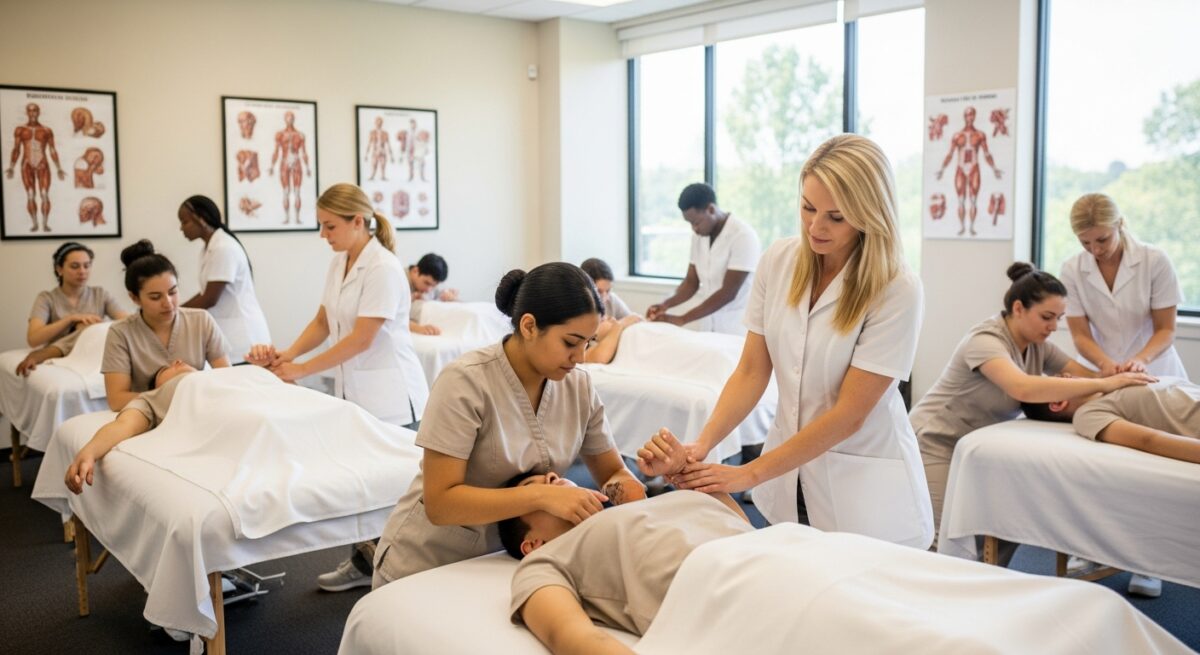
Choosing a career in massage therapy is often driven by a desire to help others heal, reduce stress, and promote wellness. Yet the cost of training can feel like a barrier. Tuition for accredited programs ranges from several thousand dollars to over $20,000, and that figure does not include supplies, licensing exam fees, or continuing education. The good news is that dedicated funding exists. Massage therapy scholarships and career funding can reduce your out-of-pocket costs significantly, making it possible to start your practice with less debt. This article explores the best sources of financial aid, how to apply strategically, and what to do after you qualify for support.
Why Massage Therapy Scholarships Matter More Than Ever
The wellness industry is growing rapidly. According to the Bureau of Labor Statistics, employment for massage therapists is projected to grow much faster than the average for all occupations. This surge in demand means more students are entering the field, which in turn creates competition for seats in quality programs. Without financial assistance, many talented individuals cannot afford the upfront tuition. Massage therapy scholarships and career funding bridge that gap, allowing students from diverse backgrounds to train without sacrificing their financial stability.
Beyond tuition relief, scholarships signal credibility. When a professional organization or foundation awards you a scholarship, it adds weight to your resume. Clients and employers may view you as a dedicated practitioner who has already been vetted by industry leaders. Additionally, some scholarships require recipients to maintain a certain GPA or complete community service hours, which builds discipline and networking opportunities early in your career.
Types of Financial Aid for Massage Therapy Students
Funding for massage therapy education comes from several sources. Understanding the differences helps you target the right opportunities.
Need-Based Scholarships and Grants
These awards consider your financial situation rather than academic performance alone. You typically submit a FAFSA (Free Application for Federal Student Aid) or a similar financial profile. Many schools offer their own need-based aid for therapy school aid. Some state governments also provide grants for students pursuing healthcare careers, including massage therapy. Because need-based aid often has fewer applicants than merit-based awards, it can be a strong option if your income is limited.
Merit-Based and Career-Specific Awards
These scholarships reward academic achievement, community involvement, or a commitment to a specific area of massage (such as sports massage or oncology massage). Professional associations like the American Massage Therapy Association (AMTA) and the Associated Bodywork & Massage Professionals (ABMP) offer substantial scholarships each year. For example, the AMTA Scholarship Program awards thousands of dollars to students who demonstrate leadership and passion for the profession. Many of these awards require an essay, letters of recommendation, and proof of enrollment in an accredited program.
Employer Tuition Reimbursement and Career Funding
If you are already working in a related field such as physical therapy, chiropractic care, or fitness, your employer may offer tuition reimbursement. Some spas and wellness centers also provide career funding in exchange for a commitment to work for them after graduation. This arrangement is often called a tuition-for-service agreement. It can cover most or all of your training costs, but it does tie you to a specific employer for a set period. Carefully review the contract terms before signing.
Federal Student Aid and Loans
While not a scholarship, federal student aid (Pell Grants, Direct Loans) can supplement other funding. Accredited massage therapy schools participate in Title IV programs, allowing students to borrow money at low interest rates. Grants like the Pell Grant do not require repayment, making them an excellent foundation for your funding plan. However, loans should be your last resort after exhausting free money from scholarships and grants.
Where to Find Massage Therapy Scholarships and Career Funding
Knowing where to look is half the battle. Below are the most reliable sources.
- Professional Associations: AMTA and ABMP host annual scholarship contests. Their websites list eligibility requirements, deadlines, and past winners. Membership is sometimes required, but student memberships are affordable.
- School Financial Aid Offices: Your chosen school likely has a dedicated aid officer who can share internal scholarships, payment plans, and work-study opportunities. Ask about wellness education scholarships specifically for massage students.
- State Massage Therapy Boards: Some state licensing boards offer grants or loan forgiveness for therapists who agree to work in underserved areas. Check your state’s health department website.
- Private Foundations and Nonprofits: Organizations such as the Healwell Foundation and the Society for Oncology Massage provide scholarships for specialized training. These are often smaller awards but can cover specific courses or exam fees.
- Online Scholarship Databases: Websites like Scholarship.Education aggregate opportunities across fields. Use filters for healthcare, vocational training, and alternative medicine.
Each source has different deadlines. Create a spreadsheet with award names, amounts, due dates, and required documents. Set calendar reminders at least two weeks before each deadline to avoid rushed applications.
How to Write a Winning Scholarship Application
Even the best scholarship opportunity will not help if your application is incomplete or unconvincing. Approach each application as a professional pitch.
First, read the instructions carefully. Many scholarships require a personal statement or essay. Address the prompt directly and avoid generic language. For example, if the prompt asks about your commitment to community health, describe a specific volunteer experience or a client interaction that shaped your goals. Use concrete examples rather than abstract statements like “I want to help people.” Instead say, “During my internship at a senior center, I saw how chair massage reduced anxiety in residents with dementia. That experience convinced me to specialize in geriatric massage.”

Second, secure strong letters of recommendation. Ask instructors, employers, or supervisors who know your work ethic and character. Give them a summary of the scholarship and your goals so they can tailor their letter. Provide at least two weeks of notice and a stamped envelope if submitting by mail.
Third, proofread everything. Typos and grammatical errors suggest carelessness. Read your application aloud or ask a friend to review it. Many committees receive hundreds of submissions; a clean, well-organized application stands out.
Combining Multiple Funding Sources
Rarely does a single scholarship cover all expenses. Successful students combine several types of aid. For instance, you might receive a $2,000 AMTA scholarship, a $1,000 state grant, and a $500 school-based award. If your tuition is $15,000, that leaves $11,500 to cover through savings, a payment plan, or federal loans. The key is to apply early and often. Many scholarships are renewable annually, so you can reapply each year of your program.
Also consider part-time work during school. Many massage schools offer evening or weekend classes, allowing you to work in a related field like fitness or customer service. Some students work as receptionists at spas, gaining industry contacts while earning money. In our guide on Dental Hygiene Scholarships and Career Funding Options, we explain how to layer aid for healthcare training, and the same principles apply to massage therapy.
Frequently Asked Questions
Can I get a full-ride scholarship for massage therapy school?
Full-ride scholarships are rare but exist. Most cover partial tuition. Combining multiple awards is the most realistic path to near-full funding. Some employer tuition-for-service programs do cover 100% of costs.
Do I need to be a member of a professional association to apply for scholarships?
Not always, but many of the largest scholarships (AMTA, ABMP) require membership. Student memberships are inexpensive, often $50-$100 per year, and provide access to exclusive awards, networking, and insurance discounts.
Are massage therapy scholarships available for online programs?
Yes. Many scholarships accept applicants from hybrid or online programs as long as the school is accredited by an agency recognized by the U.S. Department of Education. Check the scholarship’s eligibility criteria before applying.
How do I find local scholarships in my state?
Contact your state’s massage therapy board or health department. Some states have workforce development funds for healthcare training. Also search for community foundations in your city or county; they often administer small grants for local students.
Next Steps for Aspiring Massage Therapists
Securing funding is only the first step, but it is a critical one. Once you have a financial plan in place, you can focus on choosing the right school, completing your clinical hours, and passing the licensing exam. Remember that massage therapy scholarships and career funding are not just about money; they are investments in your future expertise. Each award connects you to a network of professionals who share your passion for healing.
Start your search today by visiting DegreeOnline.Education to explore accredited programs and compare tuition costs. Then compile your list of scholarships and begin writing your essays. With persistence and careful planning, you can graduate ready to build a thriving practice without overwhelming debt. The path to a rewarding career in massage therapy is open, and the funding to walk it is available if you know where to look.