
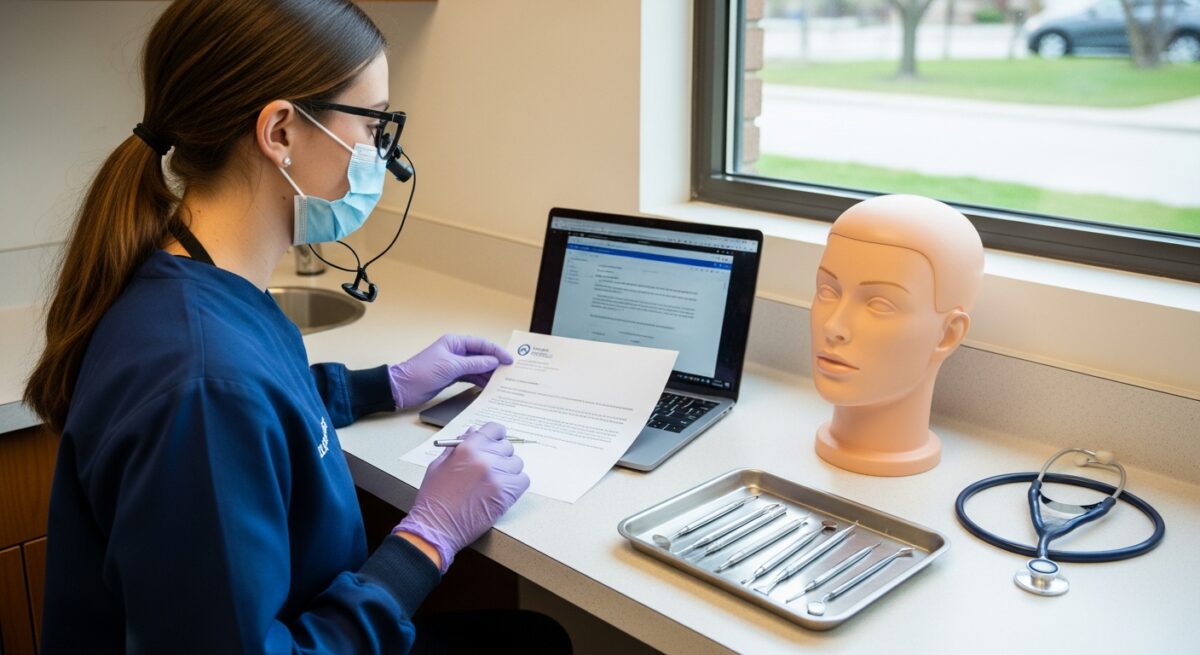
Pursuing a career in dental hygiene requires dedication, clinical training, and a significant financial investment. Tuition, lab fees, equipment, and licensing exams can create a substantial financial burden for aspiring dental hygienists. However, a wide range of funding sources exist to help students offset these costs. Understanding the landscape of dental hygiene scholarships and career funding options can transform an expensive educational journey into an affordable reality. This article provides a comprehensive roadmap for securing financial support, from specialized scholarships to employer-sponsored programs and government grants.
Understanding the Cost of Dental Hygiene Education
Dental hygiene programs typically range from two-year associate degrees to four-year bachelor’s degrees, with costs varying widely by institution and location. According to the American Dental Hygienists’ Association (ADHA), the average cost for a two-year program can exceed $30,000 when including tuition, instruments, uniforms, and licensing fees. Four-year programs at private universities can cost $80,000 or more. Beyond tuition, students must budget for national board examination fees, state or regional clinical board costs, and continuing education requirements after graduation. These expenses make it essential for students to explore every available funding avenue early in their academic planning.
Many students mistakenly assume that scholarships are only for top academic performers or those with exceptional financial need. In reality, there are numerous awards based on community service, leadership, specific demographics, and even geographic location. The key is to start researching and applying well before application deadlines. A strategic approach can significantly reduce student loan debt and allow graduates to enter the workforce with greater financial freedom.
Types of Dental Hygiene Scholarships
Scholarships for dental hygiene students come from professional associations, private foundations, corporations, and educational institutions. Each type has unique eligibility criteria and application processes. Understanding these categories helps students target their efforts efficiently.
Professional Association Scholarships
The ADHA Institute for Oral Health offers multiple scholarships for students enrolled in accredited dental hygiene programs. These awards range from $1,000 to $10,000 and are available for both associate and baccalaureate degree candidates. Eligibility typically requires ADHA membership, a minimum GPA of 3.0, and demonstrated community involvement. The application cycle opens annually in the spring, and students must submit transcripts, letters of recommendation, and a personal statement. Similarly, state-level dental hygiene associations often provide smaller, localized scholarships that have less competition than national awards.
Private and Corporate Scholarships
Major dental supply companies and oral healthcare brands also sponsor scholarships. For example, the Colgate Bright Smiles, Bright Futures program awards scholarships to dental hygiene students who demonstrate commitment to community oral health education. The Crest + Oral-B Scholarship program provides funding for students pursuing careers in dental hygiene or dentistry. These corporate scholarships often require applicants to submit a project proposal or essay on a specific oral health topic. Additionally, organizations like the Hispanic Dental Association, the National Dental Association, and the American Indian Dental Association offer scholarships targeting underrepresented groups in oral healthcare.
Institutional and Program-Specific Awards
Many dental hygiene schools offer their own scholarships funded by alumni donations or endowments. These awards are often overlooked because they require a separate application through the school’s financial aid office. Students should contact their program’s director or financial aid advisor to inquire about internal scholarships. Some schools also participate in the Dental Assisting National Board (DANB) scholarship program, which supports students who have completed a dental assisting program and are pursuing further education in dental hygiene.
Government Grants and Federal Aid
Federal student aid is a critical component of funding for many dental hygiene students. Completing the Free Application for Federal Student Aid (FAFSA) is the first step to accessing Pell Grants, Federal Supplemental Educational Opportunity Grants (FSEOG), and subsidized or unsubsidized Direct Loans. Pell Grants are need-based and do not require repayment, making them highly valuable for students with low expected family contributions. FSEOG awards are campus-based, meaning funds are limited and distributed on a first-come, first-served basis.
State governments also offer grants for healthcare students. For instance, the California State Nursing and Dental Hygiene Scholarship Program provides up to $10,000 per year for students who agree to work in underserved areas after graduation. Similar programs exist in Texas, Florida, and New York. Students should research their state’s department of health or higher education website for specific opportunities. Health professional shortage area (HPSA) scholarships and loan repayment programs are also worth exploring for those willing to practice in rural or urban underserved communities.
Dental Assistant Scholarships and Bridge Programs
For students currently working as dental assistants, there are specialized funding pathways to advance into dental hygiene. Many community colleges and technical schools offer bridge programs that allow dental assistants to earn credit for prior training and experience. These programs are often shorter and more affordable than starting a dental hygiene degree from scratch. Scholarships specifically for dental assistant scholarships are available through the DANB and the ADHA. These awards recognize the clinical experience and dedication of dental assistants who are seeking career advancement.
In our guide on Dental Assistant Scholarships and Funding Options, we explain how to identify bridge programs and apply for transition-specific scholarships. Many healthcare student grants also apply to dental assisting students, especially those enrolled in certificate or diploma programs. The key is to verify that the scholarship’s eligibility criteria include students in allied health fields. Some foundations, such as the Health Resources and Services Administration (HRSA), offer grants specifically for students in dental assisting and dental hygiene programs who commit to serving in underserved areas.
Employer-Sponsored Tuition Assistance
Dental practices and corporate dental chains often provide tuition reimbursement or scholarship programs for employees pursuing dental hygiene degrees. Many large dental service organizations (DSOs) like Aspen Dental, Heartland Dental, and Pacific Dental Services offer structured tuition assistance programs. These programs typically require a commitment to work for the employer for a specified period after graduation. The benefit is twofold: the student gains financial support and a guaranteed job upon licensure.
Even small private practices may offer informal tuition assistance. Students currently employed as dental assistants or front office staff should discuss career advancement goals with their employer. Some employers are willing to invest in education as a retention strategy and may fund part of the tuition in exchange for a work commitment. Students should get any agreement in writing, specifying the amount of assistance, the repayment terms if they leave early, and the expected work schedule during school.
Healthcare Student Grants and Loan Forgiveness Programs
Beyond scholarships, healthcare student grants provide non-repayable funding for students in high-demand medical fields. The National Health Service Corps (NHSC) offers scholarships that cover tuition, fees, and a monthly stipend for students who commit to practicing in underserved communities after graduation. While the NHSC is primarily associated with medical and dental students, some state-level versions include dental hygiene. The Indian Health Service (IHS) also offers scholarships for dental hygiene students who agree to serve in tribal communities.
Loan forgiveness programs are another valuable option for dental hygiene graduates. The Public Service Loan Forgiveness (PSLF) program forgives remaining federal student loan balances after 120 qualifying monthly payments while working for a qualifying employer, such as a government agency or non-profit clinic. Additionally, some states offer loan repayment programs for dental hygienists who work in designated shortage areas. For example, the Minnesota Loan Repayment Program provides up to $40,000 for dental professionals who commit to a three-year service obligation in a rural or underserved area.
Application Strategies for Maximum Success
Applying for scholarships and grants requires organization and persistence. Students should create a master calendar with application deadlines, required documents, and submission portals. Many scholarships share common requirements, making it efficient to prepare a core application package that includes:
- A well-written personal statement describing career goals and commitment to oral health
- Two to three letters of recommendation from instructors, employers, or professional mentors
- An updated resume highlighting clinical experience, volunteer work, and leadership roles
- Official transcripts demonstrating academic achievement
- Proof of enrollment in an accredited dental hygiene program
After compiling these materials, students should tailor each application to the specific scholarship’s mission and criteria. For example, a scholarship focused on community service should emphasize volunteer dental screenings or oral health education events. A scholarship for underrepresented minorities should highlight cultural competency and advocacy work. Generic applications are less likely to stand out among competitive applicant pools. Students should also apply for multiple smaller scholarships rather than focusing solely on large awards. A $500 scholarship may seem modest, but several small awards can collectively cover a significant portion of tuition.
Frequently Asked Questions
What GPA do I need to qualify for dental hygiene scholarships?
Most scholarships require a minimum GPA of 2.5 to 3.0, but competitive awards often prefer 3.5 or higher. Some scholarships consider a holistic application, weighing community service and work experience equally with grades.
Can I apply for scholarships if I am already enrolled in a program?
Yes, many scholarships accept applications from current students, not just incoming freshmen. Some awards are specifically for students in their second year or final semester. Always check eligibility requirements for each scholarship.
Are there scholarships for part-time dental hygiene students?
Some scholarships require full-time enrollment, but many allow part-time students to apply. Part-time students should look for scholarships that do not specify a minimum credit load. Federal Pell Grants may also be available for part-time enrollment.
How do I find legitimate scholarships without scams?
Use reputable sources like the ADHA website, your school’s financial aid office, and trusted scholarship databases such as Fastweb or Scholarships.com. Never pay a fee to apply for a scholarship. Legitimate scholarships do not require payment for applications or guarantees.
Can international students apply for dental hygiene scholarships in the US?
Most US-based scholarships require US citizenship or permanent residency. However, some private foundations and institutional awards are open to international students. International students should also explore scholarships from their home country or organizations supporting foreign healthcare students.
Building a Comprehensive Funding Plan
The most successful dental hygiene students combine multiple funding sources to minimize debt. A typical funding plan might include a federal Pell Grant covering basic tuition, an ADHA scholarship for additional educational expenses, a state grant for living costs, and an employer tuition assistance program for clinical fees. Students should also consider part-time work in a dental office during school, which provides income, experience, and potential networking opportunities for future employment.
Students can explore online resources like CollegeDegree.Education for additional guidance on comparing program costs and identifying affordable online or hybrid dental hygiene programs. The site offers tools to evaluate total cost of attendance, financial aid options, and graduation rates across different institutions. By combining these external resources with proactive scholarship applications, students can create a sustainable financial strategy that supports their educational goals without overwhelming debt.
Ultimately, the investment in a dental hygiene education pays dividends through a stable, rewarding career with strong job growth. The Bureau of Labor Statistics projects a 9% growth rate for dental hygienists through 2033, much faster than the average for all occupations. With a median annual wage exceeding $80,000, dental hygiene offers excellent return on investment. By leveraging the dental hygiene scholarships and career funding options outlined in this article, students can enter this in-demand field with confidence and financial security. Start your search today, and take the first step toward a fulfilling career in oral healthcare.