
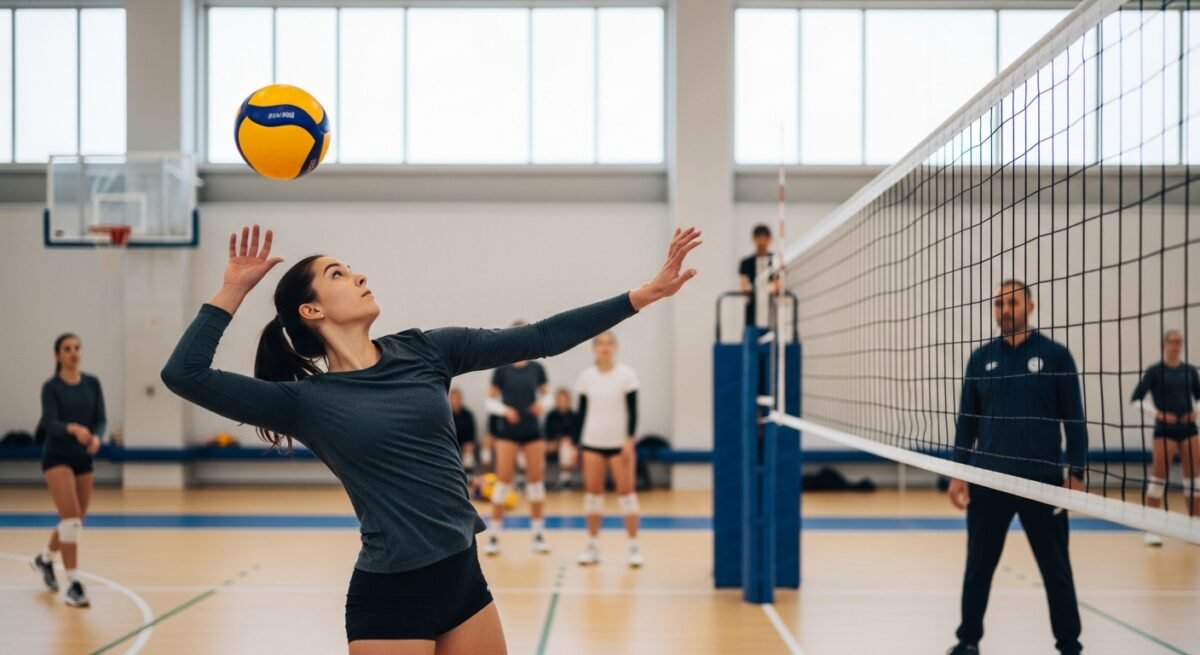
Your Guide to Volleyball Scholarships and Athletic Funding
This guide explains how to secure volleyball scholarships by navigating recruitment and combining athletic awards with other financial aid. Learn the steps to fund your college education through volleyball.

By William Bennett
For talented volleyball players, the dream of playing at the collegiate level is often intertwined with the practical need for financial aid. Navigating the complex world of athletic scholarships can feel like a high-stakes match, requiring strategy, preparation, and a clear understanding of the rules. This comprehensive guide is designed to demystify the process, offering a roadmap for athletes and their families to secure the funding that makes higher education attainable. From understanding the different types of awards offered by the best colleges for volleyball scholarships to mastering the recruitment timeline, we cover the essential steps to turn your athletic prowess into educational opportunity.
Understanding the Landscape of Volleyball Scholarships
The first critical step is understanding what a “volleyball scholarship” actually entails. Contrary to popular belief, these awards are not monolithic. The National Collegiate Athletic Association (NCAA), the National Association of Intercollegiate Athletics (NAIA), and the National Junior College Athletic Association (NJCAA) each govern their own divisions with distinct rules. NCAA Division I and II schools offer athletic scholarships, which are awarded based primarily on athletic ability and can cover tuition, fees, room, board, and books. It is crucial to know that NCAA Division III schools do not offer athletic scholarships, though they may provide robust need-based or merit-based financial aid packages for athletes.
Furthermore, a “full-ride” scholarship, covering all costs, is relatively rare in volleyball. The NCAA allows Division I women’s volleyball programs a maximum of 12 full scholarships, while men’s programs have 4.5. These are often divided among multiple players, resulting in partial scholarships. Coaches strategically allocate these funds to build a balanced roster. Understanding this reality is key: your goal may be a 25%, 50%, or 75% scholarship, which, when combined with other aid, can make a school financially feasible. The NAIA and NJCAA also have their own scholarship limits, often providing significant opportunities, especially at the junior college level where athletes can develop before transferring.
The Recruitment Process and Proactive Steps
Securing a volleyball scholarship is an active process, not a passive waiting game. It begins years before graduation with self-assessment and marketing. Start by creating a realistic evaluation of your skills, academic record, and competitive level. Research programs that align with your athletic and academic goals; not every player is a fit for a Power Five conference school, and some of the best college experiences come from finding the right level of competition.
Building a compelling athletic profile is non-negotiable. This includes a well-edited highlight video showcasing your skills in game situations, a detailed sports resume with academic information, and measurable athletic metrics (approach touch, block touch, etc.). The next step is proactive communication. Identify the coaching staff at target schools (the head coach and the recruiting coordinator) and initiate contact via email with your profile and video link. Attend college identification camps hosted by specific schools or reputable organizations, as these provide direct exposure to coaches. Remember, coaches are looking for athletes who can contribute to their program’s success on the court and represent their school positively off the court.
Key Components of a Winning Scholarship Application
While athletic talent opens the door, a complete application seals the deal. Your academic performance is a critical component. NCAA eligibility is governed by the Eligibility Center, which requires a specific core-course GPA and standardized test score sliding scale. Strong academics make you a more attractive candidate and open doors to additional academic merit scholarships that can stack with an athletic award. Furthermore, your character and involvement matter. Coaches invest in people, not just players. Leadership roles, community service, and strong references speak volumes about your potential as a team member.
To organize your approach, focus on these core pillars:
- Academic Eligibility: Register with the NCAA Eligibility Center or NAIA Eligibility Center early. Meticulously track your core courses and aim for grades that exceed minimum requirements.
- Athletic Marketing: Develop a professional highlight video, sports resume, and online presence. Update these materials regularly.
- Proactive Communication: Create a target list of schools and systematically contact coaches. Follow up respectfully and keep them informed of your tournament schedule.
- Financial Planning: Understand the total cost of attendance at each school. Use the school’s net price calculator and be prepared to discuss financial aid packages holistically.
Maximizing Your Total Financial Aid Package
An athletic scholarship is often just one piece of the funding puzzle. The most successful families approach college financing holistically. After receiving an offer for a volleyball scholarship, you should immediately complete the Free Application for Federal Student Aid (FAFSA). This form determines your eligibility for federal grants, work-study programs, and loans. Many states and colleges also use the FAFSA for their own need-based aid programs. The financial aid office at the college will then create a package that may combine your athletic award with federal, state, and institutional grants.
Do not overlook external scholarships. Thousands of organizations, from local community foundations to national corporations, offer scholarships based on a wide range of criteria: field of study, heritage, community service, or even unique personal traits. Dedicating time to apply for these can significantly reduce your out-of-pocket costs. For example, students with specific backgrounds or interests can find niche funding sources, similar to the opportunities explored in our guide on unique scholarships for left handed students. A strategic approach to financial aid & scholarship options involves layering athletic money with academic merit awards, need-based grants, and external scholarships to cover the full cost.
Frequently Asked Questions
When should I start the recruitment process for volleyball scholarships?
Start seriously in your sophomore year of high school. This is when you should begin researching schools, creating your athletic profile, and making initial contact with college coaches. Attending camps and playing club volleyball for visibility are essential during this period.
Can I get a volleyball scholarship if I’m not a star player?
Absolutely. Many programs look for role players, defensive specialists, or future prospects. Coaches build teams with a variety of skillsets. Being a reliable, coachable player with a strong academic record can make you very attractive for a partial scholarship at many levels.
What is the difference between an offer and a verbal commitment?
A verbal commitment is a non-binding agreement between a player and a coach. The official offer comes from the school’s financial aid office, often in the form of a National Letter of Intent (NLI) during signing periods. Nothing is guaranteed until you sign the NLI and the school receives it.
Are there scholarships for beach volleyball?
Yes. NCAA women’s beach volleyball is an emerging championship sport, and an increasing number of colleges, particularly in warmer climates, offer scholarships for beach volleyball players. The recruitment process is similar to indoor volleyball.
What happens if I get injured and can’t play?
If you are injured while participating in your sport, the school typically can renew your athletic scholarship. If you suffer a non-sport-related injury that ends your career, the school may choose not to renew the athletic portion, but you would still be eligible for other forms of financial aid based on your academic record and need.
Securing funding as a volleyball player requires a blend of athletic dedication, academic focus, and strategic planning. By understanding the different types of scholarships, taking control of the recruitment process, and building a comprehensive financial plan, you can position yourself for success. The journey to a volleyball scholarship is competitive, but with the right information and persistent effort, you can achieve your goal of playing the sport you love while earning a valuable degree. Start early, be proactive, and never underestimate the power of a well-rounded application.