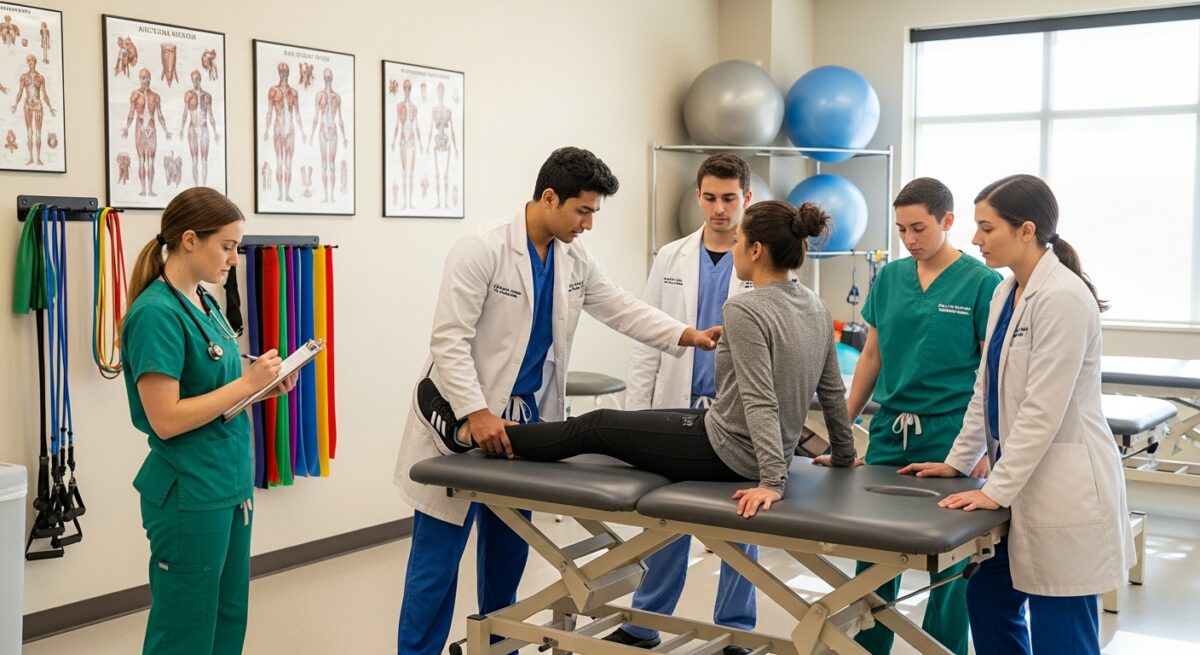
Pursuing a Doctor of Physical Therapy (DPT) or a related physical therapy degree is a significant financial commitment. With tuition costs often exceeding $100,000 for a full program, many students wonder how they will fund their education without accumulating overwhelming debt. The good news is that a wide range of scholarships for physical therapy students and PT funding opportunities exist to ease this burden. By understanding where to look and how to apply strategically, you can secure meaningful financial support that allows you to focus on your clinical training and future career.
This guide provides a comprehensive roadmap for finding and winning physical therapy scholarships, exploring alternative funding sources, and building a strong application. Whether you are a first-year DPT student or a practicing PT seeking advanced certification, the resources outlined here will help you navigate the financial landscape of physical therapy education. We will cover everything from national awards to niche grants, application strategies, and frequently asked questions.
Understanding the Financial Landscape of PT Education
The cost of a physical therapy education varies widely depending on the institution and whether you attend a public or private program. In-state public university DPT programs can range from $50,000 to $80,000 for the full three years, while private programs often exceed $120,000. These figures do not include living expenses, books, equipment, or licensure exam fees. Without strategic planning, many graduates face six-figure debt loads that can delay major life milestones like buying a home or starting a family.
Fortunately, the physical therapy profession has a strong culture of supporting its future members. Professional organizations, state chapters, private foundations, and even individual clinics offer scholarships for physical therapy students to attract and retain talent. Additionally, federal financial aid, graduate assistantships, and loan forgiveness programs can supplement your funding package. The key is to start early and treat scholarship applications with the same diligence you apply to your coursework.
National Physical Therapy Scholarships
Several national organizations offer substantial awards to DPT students based on academic merit, financial need, leadership, and community service. These scholarships are highly competitive but can provide significant financial relief.
American Physical Therapy Association (APTA) Scholarships
The APTA offers several scholarship programs through its Foundation for Physical Therapy Research. The most prominent is the Foundation Scholarships for Post-Professional Doctoral Students, which support PTs pursuing advanced degrees such as a PhD or DSc. However, the Foundation also administers the Mary McMillan Doctoral Scholarship and the Florence P. Kendall Doctoral Scholarship, each providing $5,000 to $10,000. For DPT students, the APTA’s minority scholarship fund and state chapter awards are particularly valuable.
APTA membership is often a prerequisite for these opportunities. Joining your state chapter and the national organization early in your academic career not only makes you eligible for exclusive funding but also connects you with mentors who can guide your application. Many state chapters also offer their own scholarships for physical therapy students who demonstrate commitment to the profession.
Private Foundation Awards
Beyond the APTA, private foundations dedicated to rehabilitation and healthcare also provide PT student aid. The National Rehabilitation Association (NRA) offers the NRA Scholarship for students in rehabilitation-related fields, including physical therapy. The American Medical Women’s Association (AMWA) awards scholarships to women pursuing healthcare degrees, and the Health Resources and Services Administration (HRSA) offers scholarships for students committed to working in underserved communities.
Another notable resource is the Robert C. Byrd Honors Scholarship, which is available in some states for students pursuing graduate degrees in health fields. While not specific to PT, these awards can supplement your primary funding sources. Always check the eligibility criteria carefully; some require a minimum GPA, while others prioritize first-generation college students or those from underrepresented backgrounds.
Specialized and Niche Physical Therapy Scholarships
Many scholarships for physical therapy students target specific demographics, clinical interests, or geographic regions. These niche awards often have smaller applicant pools, increasing your chances of success.
- Minority and Diversity Scholarships: The APTA Minority Scholarship Fund, the National Hispanic Health Foundation Scholarship, and the United Negro College Fund (UNCF) all offer awards for minority students in physical therapy. These programs aim to increase diversity in the profession.
- Women in Sports Medicine: Organizations like the Women’s Sports Medicine Foundation provide scholarships for female PT students specializing in sports rehabilitation. These awards often include mentorship opportunities with leading clinicians.
- State-Specific Awards: Many state PT associations offer scholarships for residents attending in-state programs. For example, the Texas Physical Therapy Association awards the TPTA Scholarship to students enrolled in Texas DPT programs. Similarly, the California Physical Therapy Association offers multiple scholarships each year.
- Clinical Specialty Scholarships: If you plan to specialize in pediatrics, geriatrics, neurology, or orthopedics, look for scholarships from specialty sections within the APTA. The Academy of Pediatric Physical Therapy and the Academy of Neurologic Physical Therapy both offer dedicated funding for students.
When applying for niche scholarships, emphasize your connection to the specific focus area. For example, if you are applying for a scholarship for pediatric PT, describe your volunteer work at a children’s hospital or your research on early intervention. Tailoring your application to the mission of the awarding organization significantly increases your chances of winning.
Federal and Institutional PT Funding Options
Beyond private scholarships, physical therapy students should explore federal aid and institutional funding. The first step is always completing the Free Application for Federal Student Aid (FAFSA). This determines your eligibility for federal loans, work-study programs, and need-based grants.
Federal Work-Study and Graduate Assistantships
Many DPT programs offer graduate assistantships (GAs) that provide tuition waivers and a stipend in exchange for teaching, research, or administrative duties. These positions are highly competitive but can significantly reduce your out-of-pocket costs. Contact the financial aid office or the DPT program director early to inquire about available GA positions. Federal work-study is another option if your school participates in the program. You can work in a campus clinic, lab, or library to earn money for educational expenses.
Loan Forgiveness Programs
For PTs willing to work in underserved areas or public health settings, loan forgiveness programs can eliminate a substantial portion of debt. The National Health Service Corps (NHSC) Loan Repayment Program offers up to $50,000 for two years of service in a Health Professional Shortage Area (HPSA). Similarly, the Public Service Loan Forgiveness (PSLF) Program forgives remaining loan balances after 120 qualifying monthly payments while working for a qualifying employer, such as a non-profit hospital or community health center.

These programs are not immediate funding sources for students, but they are critical components of a long-term financial strategy. Knowing that you can pursue loan forgiveness after graduation can make borrowing more palatable during your DPT program.
How to Build a Winning Scholarship Application
Securing scholarships for physical therapy students requires more than just filling out forms. A strong application demonstrates your passion for the profession, your academic excellence, and your potential to contribute to the field. Here are actionable steps to maximize your success.
First, create a spreadsheet of all scholarships you plan to apply for, including deadlines, requirements, and submission formats. Start at least six months before the first deadline. Next, gather your materials: transcripts, letters of recommendation, a resume or CV, and a personal statement. Your personal statement should tell a compelling story about why you chose physical therapy and how the scholarship will help you achieve your goals. Avoid generic language; instead, mention specific experiences, such as a clinical observation or volunteer work, that shaped your career path.
Finally, request recommendation letters early and provide your recommenders with clear instructions and a summary of your achievements. A strong letter from a professor or clinical instructor who knows you well can make a significant difference. Proofread every application carefully, and consider asking a mentor or writing center to review your essays before submission.
Frequently Asked Questions
What is the average amount of a physical therapy scholarship?
Scholarship amounts vary widely. National awards from APTA or private foundations typically range from $1,000 to $10,000. State and local scholarships often provide $500 to $3,000. Some larger awards from organizations like the NHSC can reach $50,000 but require a service commitment after graduation.
Can international students apply for PT scholarships in the US?
Yes, but options are more limited. Most APTA scholarships require US citizenship or permanent residency. However, some private foundations and individual universities offer funding for international students. Check with your program’s international student office for specific opportunities.
Do I need to be an APTA member to apply for scholarships?
Many APTA-affiliated scholarships require membership. Joining the APTA as a student member is affordable (often under $100 per year) and provides access to exclusive funding, networking, and educational resources. Even if membership is not required for a specific scholarship, it demonstrates your commitment to the profession.
How many scholarships can I apply for?
There is no limit. Apply for as many as you qualify for, but prioritize quality over quantity. It is better to submit ten well-crafted applications than thirty rushed ones. Focus on scholarships whose mission aligns with your background and goals.
What if I do not win a scholarship?
Do not be discouraged. The competition is fierce, but persistence pays off. Reapply the following year with an improved application. In the meantime, explore other funding sources such as graduate assistantships, employer tuition reimbursement, and federal loans. Many students combine multiple small awards to cover their costs.
Finding Additional Resources
Beyond the scholarships listed above, you can find more opportunities through online databases and professional networks. For a broader look at funding options across different fields, you might find our guide on Business Major Scholarships: Complete Funding Guide helpful for understanding general scholarship strategies that apply to any discipline. Additionally, resources like CollegeDegrees.School provide tools for exploring accredited programs and comparing costs, which can help you choose a more affordable DPT program from the start.
Finally, do not underestimate the power of local resources. Your hometown Rotary Club, Kiwanis, or community foundation may offer scholarships that receive few applicants from the PT field. Similarly, your employer or your parents’ employer may have tuition assistance programs. Every dollar you secure through scholarships is a dollar you do not have to borrow.
Securing scholarships for physical therapy students and PT funding is a realistic goal with the right approach. Start early, apply broadly, and tailor each application to the specific award. With persistence and strategic planning, you can graduate with less debt and begin your career on solid financial footing. The investment in your education will pay dividends for decades, both in your professional satisfaction and your ability to serve patients.