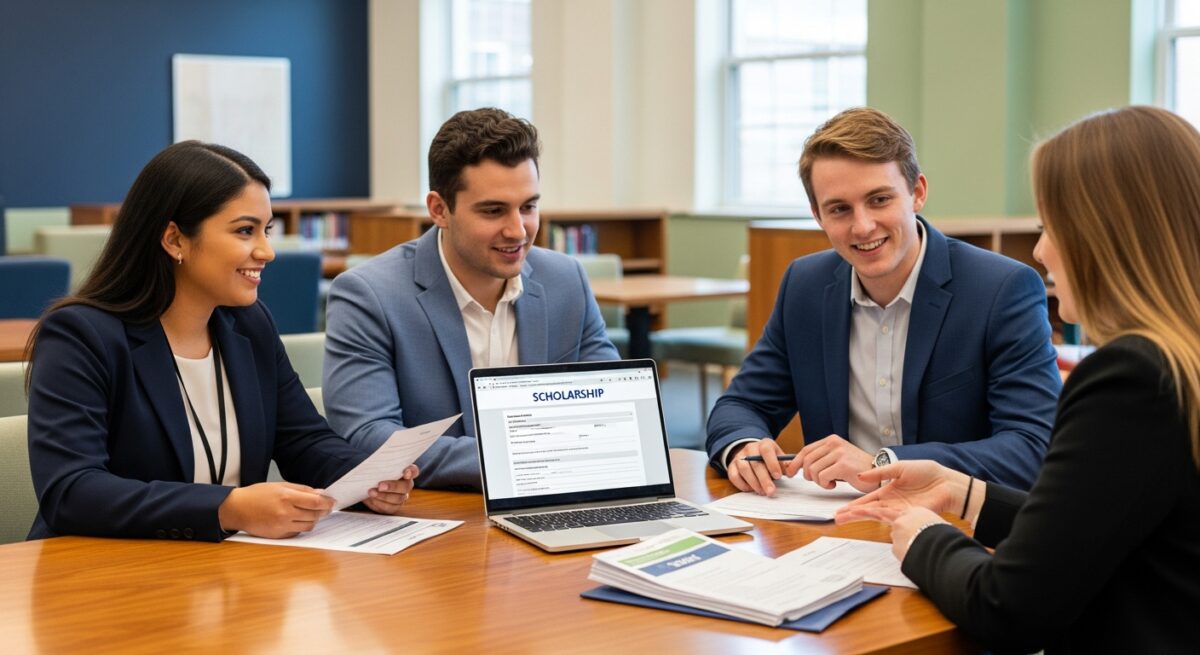
Returning to college later in life is a courageous decision, and for many older women, the financial barrier can feel overwhelming. Whether you are pursuing a degree for the first time, changing careers, or completing a long-held goal, the cost of tuition, books, and living expenses often seems like an impossible hurdle. However, there is good news: a growing number of funding opportunities are designed specifically for women over 35, 40, and beyond. These awards are not just financial gifts; they are investments in your future. This article explores the best scholarships for older women, offering actionable steps to find and secure funding that aligns with your unique situation.
Many women mistakenly believe that scholarships are only for teenagers fresh out of high school. In reality, the landscape of educational funding has shifted dramatically. Organizations, foundations, and even universities now recognize the value of supporting non-traditional students. These scholarships for older women often consider life experience, community involvement, and resilience just as much as GPA. By understanding where to look and how to present your story, you can unlock thousands of dollars in aid that requires no repayment.
Why Scholarships for Older Women Exist
The simple answer is equity and empowerment. Older women often face unique challenges when returning to school, including gaps in employment history, family responsibilities, and the need to balance work with studies. Philanthropic organizations and advocacy groups created these scholarships to level the playing field. They understand that women who delayed their education for caregiving, financial necessity, or other reasons should not be penalized for that choice.
Moreover, studies consistently show that women with higher education earn more over their lifetimes, contribute more to their communities, and provide better economic stability for their families. By targeting scholarships for older women, funders are making a strategic investment in social and economic mobility. This is not charity; it is a proven method for reducing poverty and closing the gender wage gap. For example, a woman who earns an associate degree at age 50 can increase her lifetime earnings by hundreds of thousands of dollars, benefiting not just herself but also her children and grandchildren.
Types of Scholarships Available
Not all scholarships are created equal. Understanding the different categories can help you target the ones where you have the highest chance of success. Below are the most common types of funding opportunities for returning women students.
- Merit-based awards: These recognize academic achievement, professional accomplishments, or exceptional talent. They often require a strong GPA or a portfolio of work.
- Need-based grants: These are awarded based on your financial situation. You will typically need to submit tax returns or FAFSA information to prove economic hardship.
- Demographic-specific scholarships: These are reserved for women of a certain age, ethnicity, or background. For instance, scholarships for minority women are widely available and often have less competition than general awards.
- Field of study awards: Many professional associations offer scholarships for women entering STEM, healthcare, education, or business. If you are pursuing a specific major, search for industry-specific funding.
- Local and community-based awards: Your local community foundation, Rotary club, or women’s organization may offer smaller, less competitive scholarships that are easier to win.
Each type of scholarship requires a slightly different approach. For merit awards, you will need to highlight your achievements and grades. For need-based awards, you must clearly document your financial circumstances. Demographic and field-specific scholarships often ask for a personal statement explaining how your background or goals align with the mission of the funding organization. Understanding these nuances will save you time and improve your success rate.
Where to Find Scholarships for Older Women
Finding the right opportunities is a research project in itself. Start with the most obvious sources first. Your chosen college’s financial aid office is an excellent resource, as many schools have institutional funds that go unclaimed every year. Ask specifically about scholarships for non-traditional students or adult learners. Many universities have a dedicated page for returning students that lists available aid.
Next, use online scholarship databases. Websites like Scholarship.Education aggregate thousands of opportunities, allowing you to filter by age, gender, and field of study. Set up alerts so you are notified when new awards are posted. You can also explore professional organizations in your intended field. For example, the American Association of University Women (AAUW) offers career development grants for women, and the Soroptimist organization provides awards for women who are the primary breadwinners for their families. Do not overlook local resources: your public library, community college bulletin board, and local women’s network groups often have information about smaller, less competitive scholarships that are easier to win.
For those interested in exploring related financial aid options, our guide on Scholarships for Veteran Spouses: Funding Your Education provides additional pathways that may overlap with your eligibility.
How to Build a Winning Application
Securing a scholarship is not just about meeting the basic requirements. It is about telling a compelling story. Most applications ask for a personal statement or essay. This is your chance to explain why you are returning to school now, what obstacles you have overcome, and how this education will change your life and the lives of others. Be specific and authentic. Instead of saying, ‘I want a better future,’ describe a concrete moment that motivated you to go back to school.
Here are three essential steps to strengthen your application:

- Gather your documents early. Request transcripts from previous schools, prepare your resume, and have letters of recommendation ready. Many older women have strong professional references that can speak to their work ethic and potential.
- Tailor each application. Do not submit the same essay to every scholarship. Read the mission of the funding organization and reflect their values in your writing. If they emphasize community service, highlight your volunteer work. If they focus on career advancement, talk about your professional goals.
- Proofread and get feedback. Ask a friend, family member, or a writing tutor to review your application. A fresh set of eyes can catch errors and suggest improvements. Remember, a polished application shows respect for the selection committee’s time.
Finally, do not underestimate the power of follow-up. After submitting, send a brief thank-you email if possible. This simple gesture can make you memorable and demonstrate professionalism. Even if you do not win a particular award, the act of applying builds skills that will serve you well in future applications.
Overcoming Common Barriers
Many older women hesitate to apply for scholarships because they feel they do not fit the ‘typical student’ mold. They worry their grades from decades ago are too low, or that they lack extracurricular activities. These concerns are understandable but often unfounded. Scholarship committees for adult learners are looking for different qualities than those for traditional students. They value life experience, perseverance, and a clear sense of purpose.
Another common barrier is time. Balancing work, family, and school leaves little room for lengthy application processes. To manage this, create a schedule. Dedicate one hour each weekend to scholarship searching and application writing. Break the process into small tasks: research one day, draft an essay the next, and gather documents on another. Over a few weeks, you will have a strong application ready without feeling overwhelmed.
Financial barriers can also be addressed through online degree programs, which often have lower tuition costs and flexible schedules that allow you to continue working while studying. Many online institutions also offer their own scholarships for adult learners.
Frequently Asked Questions
Can I get a scholarship if I already have a degree?
Yes. Many scholarships for older women are designed for those pursuing a second degree, a certificate, or a career change. Read the eligibility criteria carefully, as some awards are for first-time degree seekers only, while others are open to any level of study.
Do I need a high GPA to qualify?
Not always. While some merit-based scholarships require a minimum GPA, many other awards consider life experience, community involvement, and personal essays more heavily. Need-based and demographic-specific scholarships often have no GPA requirement.
How do I prove financial need?
Most scholarship applications ask for documentation such as tax returns, W-2 forms, or a FAFSA Student Aid Report. If you are unsure, contact the scholarship administrator directly. They can tell you exactly what they need.
Are scholarships for minority women separate from general scholarships for older women?
Yes. Scholarships for minority women are a specific subset that targets women of color, Indigenous women, and other underrepresented groups. These awards are often funded by organizations focused on racial equity and may have different application requirements. You can apply for both general and minority-specific scholarships simultaneously.
What if I only want to attend part-time?
Many scholarships do not require full-time enrollment. Check the eligibility details for each award. Part-time students are often eligible for prorated amounts or for specific awards designed for working adults.
Taking the first step toward funding your education can feel daunting, but the resources are out there. Scholarships for older women are more than just financial aid; they are a recognition of your resilience and potential. By researching thoroughly, telling your story authentically, and applying strategically, you can reduce the financial burden and focus on what truly matters: your education and your future.