
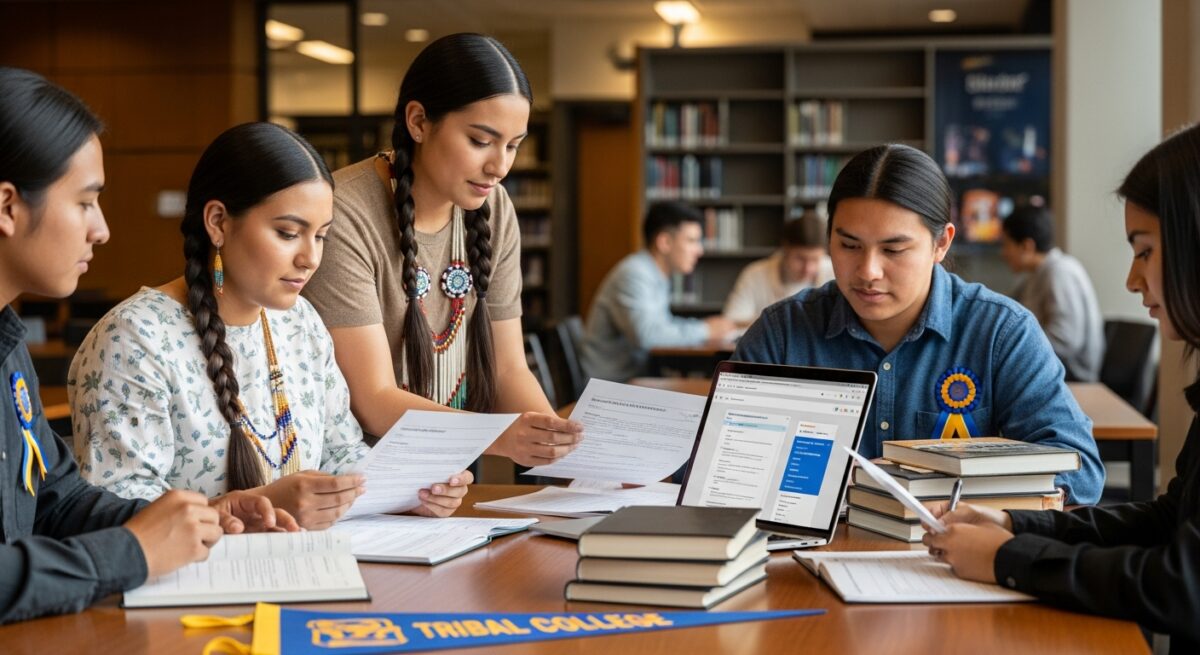
Navigating college costs can feel overwhelming for any student, but Native American students have access to a powerful network of funding opportunities that are often underutilized. Beyond federal aid and standard scholarships, there are hundreds of millions of dollars in dedicated awards, tribal grants, and private fellowships designed specifically to support Indigenous learners. This guide breaks down the best scholarships for Native American students, explains how tribal affiliation and enrollment status matter, and gives you a step-by-step plan to secure funding for your degree.
Understanding Your Funding Options
Scholarships for Native American students come from multiple sources. The largest single provider is the Bureau of Indian Education (BIE), which administers the Johnson-O’Malley program and higher education grants for students who are enrolled members of federally recognized tribes. However, many students overlook tribal-specific scholarships, private foundation awards, and university-based diversity funds that can significantly reduce or eliminate tuition costs.
Each funding source has different eligibility rules. Some require proof of blood quantum or tribal enrollment, while others accept students who can demonstrate cultural affiliation or descendancy. Understanding these nuances is the first step to building a strong application strategy.
Major National Scholarship Programs
American Indian College Fund
The American Indian College Fund is one of the largest and most respected organizations offering scholarships for Native American students. They provide over 6,000 scholarships annually, with awards ranging from $500 to $5,000 per year. Eligibility requires enrollment in a federally recognized tribe and attendance at an accredited nonprofit institution. The application opens in February and closes in June for the following academic year.
Beyond direct awards, the Fund also offers emergency grants, leadership programs, and career development resources. They prioritize students who demonstrate financial need and academic promise. Many recipients renew their awards for multiple years, making this a sustainable funding source throughout your degree.
American Indian Science and Engineering Society (AISES)
If you are pursuing a STEM degree, AISES offers some of the most generous indigenous student scholarships available. Awards range from $1,000 to $10,000 and are open to undergraduate and graduate students. AISES also provides internship placements, mentoring, and professional networking opportunities with major corporations like Google, Boeing, and Intel.
Applicants must be AISES members and enrolled in a federally recognized tribe. The application requires transcripts, a personal statement, and two letters of recommendation. Deadlines typically fall in June for fall awards.
Udall Foundation Undergraduate Scholarship
The Udall Foundation awards up to 60 scholarships of $7,000 each to college sophomores and juniors. This scholarship specifically supports Native American and Alaska Native students who are committed to careers in tribal public policy, Native health care, or environmental stewardship. It is highly competitive, but the application process itself helps you clarify your career goals.
Recipients also join a network of over 3,000 Udall alumni who provide mentorship and professional connections. The application requires a 10-page portfolio and three essays. The deadline is in early March each year.
Tribal and Regional Scholarships
Many federally recognized tribes operate their own education departments that distribute tribal education aid directly to members. For example, the Navajo Nation Office of Scholarship and Financial Aid provides grants and scholarships to Navajo students attending accredited institutions. Similarly, the Cherokee Nation offers the Cherokee Nation Higher Education Scholarship, which covers tuition, fees, and books for eligible tribal citizens.
To find these opportunities, contact your tribe’s education office directly. Ask about application deadlines, required documentation, and whether they fund online or part-time programs. Some tribes also offer emergency assistance and summer session funding. If you are not enrolled but can prove descendancy, you may still qualify for certain private awards.
State-based programs also exist. For instance, the Oklahoma Native American Assistance Program and the Alaska Native Science and Engineering Program (ANSEP) provide targeted support for Indigenous students in those states. Similarly, students in Idaho can explore College Funding for Idaho Residents: State Awards and Scholarships to see if state-specific awards complement their tribal funding.
How to Apply for Scholarships for Native American Students
The application process for indigenous student scholarships often requires more documentation than standard awards. Here is a step-by-step guide to keep you organized.
Step 1: Gather your tribal documentation. You will need a Certificate of Indian Blood (CIB) or a tribal enrollment letter. If you are applying through a parent or grandparent’s enrollment, you may need additional proof of lineage. Request these documents early, as processing can take several weeks.

Step 2: Research deadlines. Unlike FAFSA, which has a single annual deadline, tribal and private scholarships have staggered deadlines throughout the year. Create a spreadsheet with each award’s deadline, award amount, and required materials.
Step 3: Write a compelling personal statement. Many scholarships ask how your Native identity has shaped your educational goals. Be specific about your community involvement, cultural traditions, and how your degree will benefit your tribe. Avoid generic statements about heritage; instead, share a concrete story or experience.
Step 4: Secure strong recommendations. Ask tribal leaders, teachers, or mentors who know you well. Provide them with your resume and a summary of each scholarship’s criteria so they can tailor their letters.
Step 5: Submit early. Some scholarships award funds on a first-come, first-served basis until the budget is exhausted. Submit your completed application at least two weeks before the deadline.
Key Benefits of These Awards
Scholarships for Native American students often come with additional benefits beyond financial aid. Many programs include:
- Mentorship from Indigenous professionals and alumni networks
- Paid internship opportunities with tribal governments and corporations
- Access to cultural events, conferences, and leadership retreats
- Renewable awards that cover multiple years of study
- Emergency funds for unexpected expenses like medical bills or travel
These holistic support systems increase retention and graduation rates. According to the American Indian College Fund, students who receive their scholarships are 25% more likely to earn a degree within six years compared to those who do not receive similar support.
Frequently Asked Questions
Can I apply for multiple scholarships for Native American students at the same time?
Yes, you can and should apply for as many as you qualify for. Most scholarships do not prohibit stacking awards, though some require you to report other funding sources. Always read the terms carefully and disclose all awards to avoid conflicts.
Do I need to be enrolled in a federally recognized tribe?
For BIE grants and most tribal-specific awards, yes, you must be an enrolled member. However, some private foundations and university scholarships accept students who can demonstrate cultural affiliation, descendancy, or membership in state-recognized tribes. Check each program’s eligibility requirements.
Can I use scholarships for online degrees or part-time study?
Many scholarships do fund online programs and part-time enrollment, but not all. Review the award criteria carefully. For example, the Udall Foundation requires full-time enrollment, while some tribal education aid allows half-time attendance. If you are considering online learning, you can explore online degree programs that may align with your scholarship requirements.
What if I am a graduate student?
Graduate students are eligible for many of the same awards, especially from AISES, the Udall Foundation, and tribal education departments. Additionally, programs like the American Indian Graduate Center offer specialized fellowships for master’s and doctoral students. Do not assume scholarships are only for undergraduates.
How do I find my tribe’s education office?
Visit the Bureau of Indian Affairs website and search for your tribe’s education department. You can also call your tribal headquarters and ask for the education director. Many tribes now have online portals where you can submit applications and track funding.
Final Thoughts on Funding Your Education
Securing scholarships for Native American students requires research, preparation, and persistence, but the financial and professional rewards are substantial. Start early, gather your tribal documents, and apply to multiple programs. With dedicated effort, you can significantly reduce or eliminate your college costs while building a network of Indigenous peers and mentors who will support your success throughout your career.