
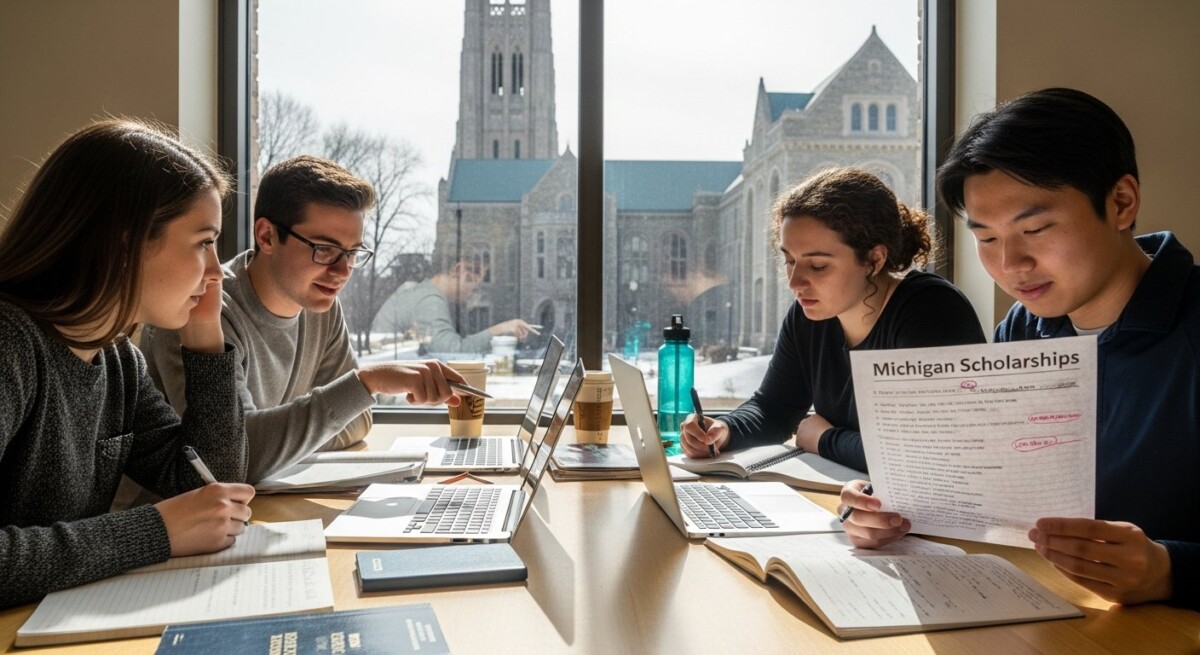
For students pursuing a college degree in the Great Lakes State, the financial burden of tuition can feel as vast as Lake Superior itself. Fortunately, Michigan offers a robust and diverse array of scholarship opportunities specifically designed for its residents. These Michigan-based scholarships for undergraduate studies are funded by the state, universities, private foundations, and community organizations, all with the shared goal of making higher education more accessible. Navigating this landscape effectively can significantly reduce student loan debt and unlock doors to prestigious institutions, from the University of Michigan and Michigan State to smaller private colleges and community colleges across the state. This guide provides a comprehensive roadmap to identifying, evaluating, and securing these vital funds.
Understanding the Michigan Scholarship Ecosystem
The foundation of financial aid for Michigan undergraduates begins with the Free Application for Federal Student Aid (FAFSA). Completing the FAFSA is a non-negotiable first step, as it determines eligibility for federal grants, work-study, and loans, and it is a prerequisite for most state-based aid. Michigan’s primary state-funded program is the Michigan Achievement Scholarship. This significant initiative provides up to $2,750 to $5,500 per year (depending on the type of institution) for eligible students graduating from a Michigan high school with a diploma or certificate of completion or achieving a high school equivalency certificate. Eligibility is primarily based on family income, making it a crucial resource for middle-income families.
Beyond this broad-based aid, the scholarship ecosystem fragments into specialized streams. These include merit-based awards for academic, artistic, or athletic talent; need-based grants targeting specific economic backgrounds; and career-specific scholarships aimed at funneling talent into high-demand fields in Michigan, such as healthcare, engineering, computer science, and skilled trades. There are also numerous awards based on community involvement, leadership, heritage, and county or city of residence. Understanding which categories align with your profile is key to a targeted and efficient application strategy.
Major Statewide and University-Specific Awards
While the Michigan Achievement Scholarship is a cornerstone, several other prominent statewide programs command attention. The Michigan Competitive Scholarship (MCS) is a need- and merit-based program that requires a qualifying SAT score and can provide up to $1,000 per year. The Michigan Tuition Grant is designed for students attending private, non-profit colleges within Michigan, offering need-based assistance that does not require repayment. For those demonstrating exceptional financial need, the Tuition Incentive Program (TIP) covers tuition and mandatory fees for eligible students at participating colleges, often for the first two years of study.
Individual universities are powerhouses of scholarship funding. The University of Michigan, Michigan State University, and Wayne State University, along with other public and private institutions, administer millions of dollars in institutional aid. These can range from automatic consideration awards based on GPA and test scores to specialized, application-based scholarships for specific majors or backgrounds. For example, Michigan Technological University offers significant scholarships for engineering and tech students, while Hope College and Calvin University have robust awards for liberal arts studies. Always check the “financial aid” and “scholarship” pages of your target schools’ websites, as this is where the most substantial and relevant offers are listed. A strategic approach to financial aid & scholarship options at both the state and institutional level can dramatically reshape your college affordability picture.
Private and Community Foundation Scholarships
This layer of funding is vast and varied, comprising awards from corporations, non-profits, memorial funds, and local community foundations. These scholarships often have very specific eligibility criteria, which can work to your advantage by reducing the applicant pool. For instance, the Detroit Scholarship Fund supports Detroit residents attending partner colleges, while the Grand Rapids Community Foundation administers dozens of funds for students from Kent County and surrounding areas. The Saginaw Community Foundation and the Kalamazoo Community Foundation are other major players. Many of these are “last-dollar” scholarships, covering remaining costs after other aid has been applied.
To efficiently navigate this space, leverage local resources. Your high school counseling office is an invaluable starting point. Community foundations often have searchable databases on their websites. Additionally, comprehensive online platforms like Scholarship.Education aggregate opportunities from these very sources, allowing you to filter by location, major, and eligibility factors. When researching private scholarships, be vigilant: legitimate scholarships never require an application fee. As you explore these opportunities, remember that specialized aid exists for many student circumstances, similar to the resources outlined in our article on financial aid for undocumented students.
Crafting a Winning Application Strategy
Securing scholarships is a proactive endeavor that requires organization and early effort. Begin your search during your junior year of high school. Create a dedicated calendar to track deadlines, which can vary wildly from fall of senior year to spring and even summer before college starts. Treat each application as a unique project. Adhere strictly to word counts, prompt questions, and submission formats. A generic essay sent to ten different foundations will almost always lose to a tailored, thoughtful response that demonstrates genuine connection to the scholarship’s mission.
Strong applications universally rely on a few key pillars: compelling personal essays, persuasive letters of recommendation, and a resume that highlights achievements holistically. Your essay should tell a specific story that reveals your character, resilience, and goals, connecting them to the purpose of the award. Choose recommenders who know you well academically or through extracurricular activities and can speak to your specific strengths with examples. Provide them with a resume and a brief note about the scholarship to help them write a detailed letter. Finally, proofread everything meticulously; errors suggest a lack of care.
Essential Components of a Scholarship Application
While requirements differ, most robust applications will request some combination of the following elements. Preparing these materials in advance will save you immense stress as deadlines approach.
- Personal Statement or Essay: This is your narrative core. It should answer the prompt directly while showcasing your voice, values, and vision.
- Letters of Recommendation: Typically two or three from teachers, counselors, employers, or community leaders who can attest to your qualifications.
- Academic Transcript: An official record of your grades and GPA, often requiring a request from your school.
- Standardized Test Scores: While many schools are test-optional, some scholarships still require SAT or ACT scores.
- Resume or Activity List: A clean, professional document detailing your work experience, volunteer service, leadership roles, awards, and extracurricular activities.
- Financial Information: Many need-based awards require a copy of your Student Aid Report (SAR) from the FAFSA or other documentation.
After submitting, keep copies of everything and follow up if you receive an award, as you may need to write a thank-you note or provide details for disbursement. This organized, detail-oriented approach is as critical for Michigan scholarships as it is for students navigating specific state systems, such as those detailed in our guide to college funding for Idaho residents.
Frequently Asked Questions
Q: Do I need to attend a Michigan college to get a Michigan-based scholarship?
A: Not always. Many private and community foundation scholarships are restricted to Michigan residents attending any accredited college in the United States. However, some state programs like the Michigan Tuition Grant and many institutional awards from specific universities require attendance at a Michigan school. Always check the fine print.
Q: Can I stack multiple scholarships together?
A> Yes, in most cases you can combine scholarships, but there is often a cap. Your total financial aid package (including grants, scholarships, and loans) cannot exceed your school’s calculated Cost of Attendance (COA). If you receive external scholarships, you must report them to your college’s financial aid office, which may adjust other need-based aid accordingly.
Q: When is the best time to start applying?
A> Start researching in your junior year of high school. Many major scholarships open applications in the summer before your senior year, with deadlines in the fall and winter. Missing these early deadlines is the most common mistake students make.
Q: Are there scholarships for non-traditional or returning adult students?
A> Absolutely. Many community foundations, employers, and professional associations in Michigan offer scholarships specifically for adult learners, part-time students, and those returning to college after a break. These are excellent resources to seek out.
Q: Where is the most reliable place to search for these opportunities?
A> Begin with your high school counselor and the financial aid pages of your target colleges. Then, explore the websites of your local community foundation and statewide resources. Finally, use trusted, curated online databases that specialize in scholarship listings to ensure you are viewing legitimate opportunities.
Pursuing Michigan-based scholarships for undergraduate studies is an investment of time and effort that yields substantial financial returns. By understanding the layered landscape of state, institutional, and private funding, and by executing a disciplined, personalized application strategy, you can assemble a financial aid package that makes your educational goals achievable. Start early, stay organized, and articulate your unique story with clarity and passion. The resources to support your journey in the Great Lakes State are plentiful for those who know where to look and are prepared to seize the opportunity.