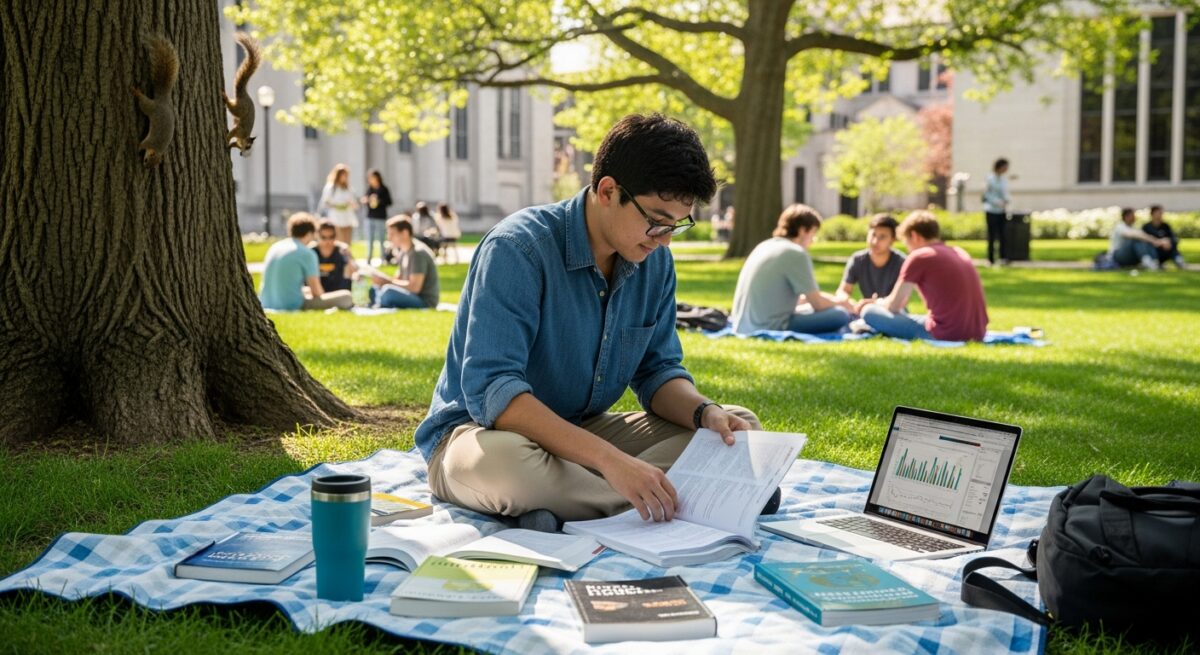
Returning to school as an adult is a bold step toward a new career or a higher income. But tuition costs, family obligations, and full-time work often make it feel impossible. The good news is that student grants for adults exist specifically to help nontraditional learners cover expenses without taking on debt. Unlike loans, grants do not require repayment, making them one of the most valuable forms of financial aid. This article walks through the best funding sources, eligibility rules, and practical steps to secure adult education grants that can pay for your degree.
What Are Student Grants for Adults?
Student grants for adults are need-based or merit-based awards given to individuals who are 24 years or older or who meet the federal definition of an independent student. These grants come from the federal government, state agencies, colleges, and private organizations. They can cover tuition, fees, books, supplies, and even living expenses. Because they are grants, not loans, you never have to pay them back as long as you meet the program’s terms.
Many adult learners assume financial aid is only for recent high school graduates. In reality, a significant portion of federal and state aid is reserved for independent students and returning adults. For example, the Federal Pell Grant has no age cap, and approximately one-third of Pell recipients are over the age of 24. This makes student grants for adults a critical tool for reducing the financial barrier to higher education.
Types of Grants for Adult Learners
To find the right fit, it helps to understand the main categories of adult education grants. Each type has distinct eligibility criteria and application processes.
Federal Grants
The U.S. Department of Education offers several grants that adult students can access. The most common is the Federal Pell Grant, which awards up to $7,395 in the 2024-2025 award year based on financial need. The Federal Supplemental Educational Opportunity Grant (FSEOG) provides additional funds for students with exceptional need. Both require submitting the Free Application for Federal Student Aid (FAFSA) each year.
Another option is the Iraq and Afghanistan Service Grant, available to students whose parent or guardian died as a result of military service in those conflicts. While not exclusively for adults, it can help nontraditional students who qualify.
State Grants
Every state operates its own grant programs, many of which target adult residents. For instance, the California College Promise Grant waives tuition for qualifying California community college students, including adults. New York’s Excelsior Scholarship covers tuition at SUNY and CUNY schools for families earning up to $125,000. To find state-specific student grants for adults, visit your state’s higher education agency website or use the Scholarship.Education state-based scholarship database.
Institutional and Private Grants
Colleges and universities often set aside funds for nontraditional students. These institutional grants may be based on financial need, academic achievement, or specific demographics such as single parents or veterans. Additionally, private organizations like the American Association of University Women (AAUW) and the PEO International offer grants aimed at women returning to school. Professional associations in fields like nursing, teaching, and technology also provide grants for adult learners pursuing career advancement.
Eligibility Requirements for Adult Education Grants
Eligibility for student grants for adults varies by program, but most share common criteria. First, you must be a U.S. citizen or eligible noncitizen. Second, you need a high school diploma, GED, or equivalent. Third, you must be enrolled at least half-time in an eligible degree or certificate program at an accredited institution.
Financial need is the primary factor for federal and many state grants. Need is calculated using the Expected Family Contribution (EFC) from your FAFSA. Since adult students often have lower income and assets than traditional students, they frequently qualify for maximum awards. Some grants also require that you maintain satisfactory academic progress, meaning a minimum GPA and course completion rate.
Other programs have specific eligibility layers. For example, the TEACH Grant requires you to agree to teach in a high-need field at a low-income school after graduation. The Pell Grant Lifetime Eligibility Used (LEU) limits you to 12 semesters (or the equivalent). Be sure to read each program’s rules carefully before applying.
Where to Find Student Grants for Adults
Knowing where to search can save hours of frustration. Start with these three reliable sources.
- Federal Student Aid (studentaid.gov) , The official portal for FAFSA and all federal grant programs. You can view your eligibility and apply directly.
- State Higher Education Agencies , Each state has a grant page listing resident-specific opportunities. For example, search “[Your State] adult education grants” to see local options.
- Scholarship.Education , Our platform aggregates grants, scholarships, and financial aid resources for students of all ages. Use the search filters to narrow by “adult learner” or “nontraditional student.” For a deeper dive into returning to college, see our guide on Grants for Adults Returning to College: 2026 Guide.
Also check professional organizations, employer tuition assistance programs, and local community foundations. Many adults overlook small, local grants that have fewer applicants and higher success rates. A targeted search can uncover hidden funding that fits your background.

How to Apply for Grants as an Adult
Applying for student grants for adults requires a methodical approach. Follow these steps to maximize your chances.
- Complete the FAFSA , This is the single most important step. The FAFSA opens on October 1 each year. Submit it as early as possible because some grants are awarded on a first-come, first-served basis. Use IRS data retrieval to import your tax information for accuracy.
- Research State and School Deadlines , Many state grant deadlines differ from the federal deadline. Create a calendar with due dates. Missing a deadline means waiting another year.
- Gather Required Documents , Typically you need tax returns, W-2 forms, bank statements, and proof of enrollment. Being organized speeds up the process.
- Write any Required Essays , Some private grants ask for a personal statement explaining your educational goals and why you need funding. Tailor each essay to the specific grant criteria.
- Track Your Applications , Use a spreadsheet to list each grant, its deadline, and the date you submitted. Follow up if you haven’t heard back within the stated timeframe.
After submitting, monitor your award letter from the school. The financial aid office will package grants, loans, and scholarships. Accept only the grants and scholarships first to minimize debt. If you have remaining unmet need, consider additional options such as work-study or employer reimbursement.
Common Myths About Grants for Adult Students
Misinformation often keeps adults from applying. Here are three myths debunked.
Myth 1: Grants are only for full-time students. Many grants, including the Pell Grant, are prorated for part-time enrollment. You can receive a reduced award for attending half-time. Always check the specific policy.
Myth 2: You cannot get grants if you already have a degree. Some grants are reserved for first-time degree seekers, but others are for continuing education or career changes. For example, the TEACH Grant is available to graduate students in teaching programs regardless of prior degrees.
Myth 3: Adult learners have too much income to qualify. Financial need is based on your current income and assets, not your potential. Many adult students work but still qualify for need-based aid because of family size or high living costs. Run the FAFSA estimator to see your expected contribution.
Frequently Asked Questions
Can I get a grant if I am over 50?
Yes. There is no age limit for federal student grants. The Pell Grant is available to any eligible student regardless of age. State and private grants may also serve older adults, especially those pursuing career retraining or lifelong learning.
Do I have to pay taxes on grant money?
Grant money used for tuition, fees, books, and required supplies is generally tax-free. Funds used for room and board or other non-qualified expenses may be taxable. Consult IRS Publication 970 for details.
Can I get both a grant and a scholarship?
Absolutely. You can combine multiple forms of aid as long as total aid does not exceed the cost of attendance. In fact, stacking grants and scholarships is a smart way to cover all expenses without loans.
What if I defaulted on a previous student loan?
Defaulting on a federal student loan disqualifies you from receiving additional federal financial aid, including grants, until you resolve the default. Options include loan rehabilitation, consolidation, or repayment agreements. Contact your loan servicer to take action.
Final Thoughts
Pursuing an education later in life is a courageous decision, and financial barriers should not stop you. Student grants for adults offer a real path to affordable college, providing thousands of dollars in free money each year. Start by filing your FAFSA, researching state and local programs, and connecting with resources like Scholarship.Education to identify every opportunity. With careful planning and persistence, you can fund your degree and build the future you deserve. To explore online degree programs that fit your schedule, visit collegedegree.education for a list of accredited institutions offering flexible options for working adults.