
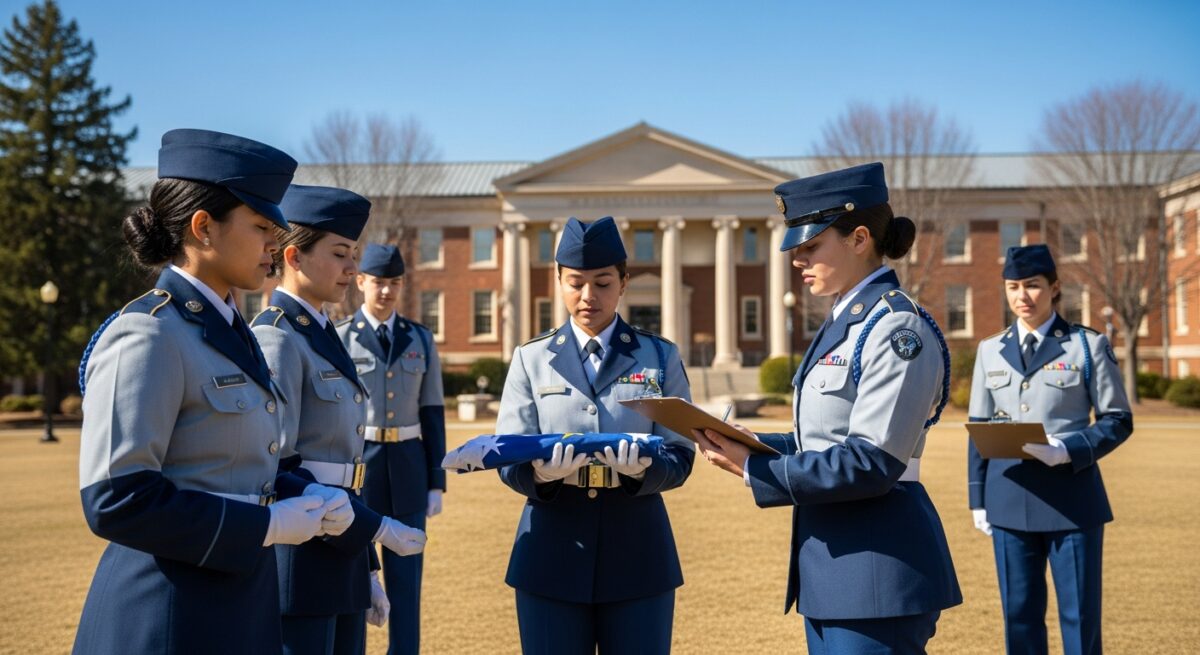
Paying for college while preparing for a meaningful career is a challenge many students face. The Reserve Officers’ Training Corps (ROTC) offers a powerful solution: full or partial tuition coverage, monthly stipends, and guaranteed career placement after graduation. Understanding the ROTC scholarship application process and benefits is the first step toward securing this life-changing funding. Whether you are drawn to the Army, Navy, Air Force, or Marine Corps options, the path to earning a military scholarship requires early planning, strong academics, and physical readiness.
This guide walks you through each stage of the ROTC scholarship application process and benefits, from eligibility requirements to interview preparation. By the end, you will know exactly what steps to take and how to maximize your chances of receiving an award. For additional help navigating academic pathways, our degree planning resources can help you align your major with ROTC requirements.
What Is an ROTC Scholarship?
An ROTC scholarship is a merit-based award that covers educational costs in exchange for a commitment to serve as a commissioned officer after graduation. The program operates at hundreds of colleges nationwide, allowing students to earn a degree while training for military leadership. The ROTC scholarship application process and benefits vary slightly by branch, but the core structure remains consistent: tuition assistance, book allowances, and monthly living stipends.
Students who receive these scholarships attend regular college classes alongside ROTC courses and leadership labs. Upon graduation, they serve as officers for a minimum of three to four years, depending on the branch and scholarship type. This model makes the ROTC scholarship application process and benefits attractive for students who want a debt-free education and a clear career trajectory.
Types of ROTC Scholarships
Each military branch runs its own ROTC program. The most common options include:
- Army ROTC: Offers four-year, three-year, and two-year scholarships. High school students apply for the four-year award, while college students can compete for shorter-term options.
- Navy ROTC (NROTC): Covers tuition, fees, and textbooks for students pursuing Navy or Marine Corps officer careers. Scholarships are available for high school and current college students.
- Air Force ROTC (AFROTC): Provides three and four-year scholarships based on academic performance, fitness, and leadership potential. Most awards are offered to high school seniors.
Each branch also offers specialized scholarships for nursing, engineering, and other high-demand fields. Understanding these distinctions helps you tailor your ROTC scholarship application to the branch that best fits your goals.
Eligibility Requirements for ROTC Scholarships
Before diving into the ROTC scholarship application process and benefits, you must confirm you meet basic eligibility criteria. While each branch has specific standards, most require:
- U.S. citizenship
- Age between 17 and 26 (varies by branch)
- High school diploma or equivalent
- Minimum GPA of 2.5 (competitive applicants score 3.0 or higher)
- SAT or ACT scores (minimum varies by branch; 1100 SAT or 22 ACT is typical for competitive awards)
- Pass the Department of Defense Medical Examination Review Board (DoDMERB) physical
- Meet height and weight standards
Beyond academics and health, ROTC programs look for leadership experience, extracurricular involvement, and community service. Candidates who demonstrate these qualities stand out during the review process. If you are still in high school, focus on building a strong transcript and participating in sports, student government, or volunteer work.
The ROTC Scholarship Application Process Step by Step
The ROTC scholarship application process and benefits require careful timing. Missing a deadline or skipping a required step can disqualify you. Below is a step-by-step breakdown of how to apply.
Step 1: Research and Choose Your Branch
Each branch has unique scholarship rules, training commitments, and career fields. Army ROTC offers the most flexibility in college majors, while Navy ROTC emphasizes technical and engineering degrees. Air Force ROTC focuses on academic excellence and physical fitness. Visit the official ROTC websites for each branch to compare options. Talk to current cadets or local recruiters to get firsthand insight.
Step 2: Complete the Online Application
The application window typically opens in February for the following academic year. You will create an account on the appropriate portal (Army ROTC uses the GoArmy ROTC portal; Navy and Air Force have their own systems). The application requires personal information, academic records, extracurricular activities, and a personal statement. Submit transcripts and test scores directly through the portal.
Step 3: Pass the Physical Fitness Assessment
All ROTC candidates must pass a physical fitness test. The Army requires the Army Combat Fitness Test (ACFT), while Navy and Air Force use the Physical Fitness Assessment (PFA). These tests evaluate push-ups, sit-ups, running times, and other exercises. Start training at least three months before your test date. Many applicants underestimate this requirement, so consistent preparation is critical.
Step 4: Secure an Interview and Recommendation
Most ROTC scholarships require an interview with a professor of military science or a designated officer. This interview assesses your leadership potential, motivation, and communication skills. Prepare by practicing common questions about your goals, strengths, and reasons for pursuing a military career. Also, request letters of recommendation from teachers, coaches, or community leaders who can speak to your character and work ethic.
Step 5: Await Selection and Accept the Offer
Scholarship boards review applications multiple times per year. If selected, you will receive an offer letter detailing the award amount, terms, and deadline to accept. You must sign a contract committing to ROTC participation and future military service. After acceptance, you work with your assigned ROTC unit to enroll in the required courses and training.
Benefits Beyond Tuition Coverage
When evaluating the ROTC scholarship application process and benefits, many students focus solely on tuition. However, the full value extends far beyond classroom costs. Here are key benefits you receive as a scholarship recipient:
- Monthly Stipend: You receive a living allowance of $300 to $500 per month, depending on your year in the program. This money helps cover housing, food, and personal expenses.
- Book Allowance: Most scholarships include an annual book stipend of $600 to $1,200. You can use these funds to purchase required textbooks and supplies.
- Room and Board: Some ROTC scholarships cover on-campus housing and meal plans. Check with your specific program to see if this applies.
- Leadership Training: ROTC includes paid summer training opportunities, such as airborne school, leadership camps, and cultural immersion programs. These experiences build skills that benefit your entire career.
- Guaranteed Employment: After graduation, you enter the military as a commissioned officer with a starting salary of $40,000 to $50,000 per year, plus benefits like health insurance, housing allowances, and retirement contributions.
These advantages make the ROTC scholarship application process and benefits a comprehensive financial and professional opportunity. Over four years, a full scholarship can be worth $150,000 to $250,000, depending on the college and program.
Tips for a Strong ROTC Scholarship Application
Competition for ROTC scholarships is intense. Thousands of qualified students apply each year, but only a fraction receive awards. To improve your chances, follow these strategies:
- Start early: Begin researching and preparing at least 12 months before your intended enrollment date. Early applications often receive priority consideration.
- Excel academically: Maintain a GPA of 3.5 or higher and aim for SAT scores above 1200. Strong grades and test scores are the most heavily weighted factors.
- Demonstrate leadership: Hold leadership positions in clubs, sports, or community organizations. ROTC values candidates who have already shown they can lead.
- Stay physically fit: Train consistently to exceed the minimum fitness standards. A high fitness score can compensate for slightly lower academics.
- Write a compelling personal statement: Explain why you want to serve, how ROTC aligns with your career goals, and what unique qualities you bring. Be specific and authentic.
If you do not receive a four-year scholarship, remember that many cadets earn two or three-year scholarships during college. Staying active in ROTC and performing well academically can lead to in-program awards. The ROTC scholarship application process and benefits are not limited to high school seniors.
Balancing ROTC with College Life
One common concern about the ROTC scholarship application process and benefits is the time commitment. ROTC requires early morning physical training, weekly leadership labs, and occasional weekend exercises. However, most students find that the structure and discipline improve their overall college experience. Time management is essential. Create a weekly schedule that balances academics, ROTC obligations, study time, and social activities.
Many colleges offer dedicated ROTC housing or study lounges where cadets can collaborate. Building relationships with fellow ROTC members provides mutual support and accountability. If you struggle with a course or training requirement, your cadre (ROTC instructors) can connect you with tutoring or mentorship. The skills you develop in ROTC, such as public speaking, decision-making, and teamwork, translate directly to civilian careers as well.
Frequently Asked Questions
Can I apply for an ROTC scholarship if I am already in college?
Yes. Most branches offer scholarships for current college students, typically for two or three years. You must enroll in ROTC courses and meet the same eligibility standards as high school applicants. Contact the ROTC detachment at your college for details.
Does an ROTC scholarship cover graduate school?
Some programs offer graduate-level ROTC scholarships, but most awards cover undergraduate degrees. If you want to pursue a graduate degree while serving, many military branches offer tuition assistance and the Post-9/11 GI Bill after your service commitment.
What happens if I change my mind after accepting the scholarship?
You can withdraw from ROTC during the first year without penalty in most cases. After the first year, leaving the program may require repayment of scholarship funds or active-duty service, depending on the circumstances. Speak with your ROTC advisor before making any decisions.
Can I participate in ROTC while on other scholarships?
Yes, but you must coordinate with both scholarship providers. Some private scholarships may have restrictions on military service. Check the terms of each award to ensure compatibility. ROTC scholarships typically cover tuition not already paid by other grants.
Your Path to a Debt-Free Degree and Officer Career
The ROTC scholarship application process and benefits represent one of the most generous financial aid programs available to American students. By committing to military service, you gain access to full tuition coverage, monthly support, and a guaranteed career path that builds leadership and technical skills. The application process requires dedication and preparation, but the rewards extend far beyond money. You will graduate as a commissioned officer with experience managing teams, solving complex problems, and operating under pressure.
Start your journey today by visiting the official ROTC websites for the Army, Navy, Air Force, or Marine Corps. Check application deadlines, gather your documents, and begin physical training. If you need help aligning your college major with ROTC requirements, use our degree planning resources to explore degree options that meet both academic and military needs. With careful planning and consistent effort, you can secure an ROTC scholarship and launch a successful future in service to your country.