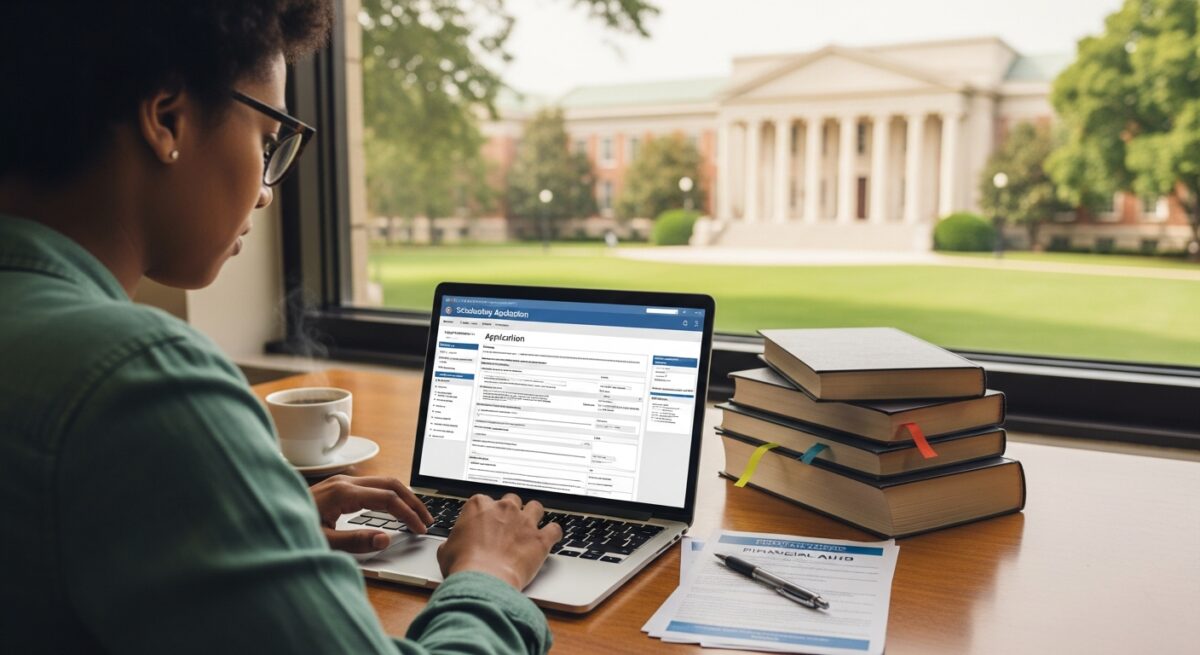

Becoming a physician assistant (PA) is a rewarding career path that offers substantial responsibility, competitive salaries, and the chance to make a real difference in patient care. However, the journey to earning a master’s degree and passing the PANCE exam often comes with a significant financial burden. Tuition for PA programs can range from $40,000 to over $100,000, not including living expenses, books, and certification fees. Without a solid plan, many students graduate with six-figure debt. Fortunately, a robust landscape of physician assistant scholarships and financial aid options exists to help you minimize out-of-pocket costs and focus on your clinical training. This guide breaks down the most effective strategies to fund your PA education, from federal loans and grants to university-specific scholarships and private funding sources.
Understanding the Cost of PA School
Before exploring funding sources, it is critical to understand the total cost of attendance. The average tuition for a public PA program can be $50,000 to $80,000 for residents, while private programs often exceed $100,000. Beyond tuition, you must budget for housing, transportation, health insurance, and technology fees. Clinical rotation travel adds another layer of expense, as many programs require students to relocate for several months at a time. When you apply for physician assistant scholarships and financial aid options, you need to calculate your full cost of attendance to ensure you request enough funding. Most financial aid offices provide a standard cost-of-attendance figure, but you should create a personal budget that accounts for your specific living situation and rotation travel needs.
Federal Financial Aid: The Foundation
The first step for any US student is completing the Free Application for Federal Student Aid (FAFSA). This form determines your eligibility for federal loans, work-study programs, and some state-based grants. PA students are classified as graduate or professional students, which means they are eligible for Direct Unsubsidized Loans and Grad PLUS Loans. Direct Unsubsidized Loans have a fixed interest rate and do not require a credit check. Grad PLUS Loans cover the remaining cost of attendance after other aid is applied, but they do require a credit check. While federal loans are not free money, they offer borrower protections such as income-driven repayment plans and Public Service Loan Forgiveness (PSLF) for those who work in qualifying nonprofit or government positions. You should always max out federal loan eligibility before turning to private lenders because federal loans have lower interest rates and more flexible repayment terms.
Scholarships for Physician Assistant Students
Scholarships are the most desirable form of aid because they do not need to be repaid. Many organizations specifically offer physician assistant scholarships to support future healthcare providers. The key is to apply early and broadly. Start your search at least 12 to 18 months before your program begins. Below are the major categories of PA-focused scholarships to target.
National and Professional Organizations
The American Academy of PAs (AAPA) and its constituent organizations offer several scholarships each year. The AAPA PA Foundation awards scholarships ranging from $2,000 to $10,000 based on financial need, academic achievement, and community service. State-level PA chapters also provide smaller awards for residents or students attending in-state programs. Additionally, the National Health Service Corps (NHSC) Scholarship Program is a highly competitive option that covers full tuition, fees, and a monthly stipend in exchange for a commitment to work in a Health Professional Shortage Area (HPSA) after graduation. This program is ideal for students who are committed to serving underserved populations. Similarly, the Indian Health Service (IHS) Scholarship Program offers full funding for students who agree to serve in Indian health facilities.
Diversity and Underrepresented Student Scholarships
To increase diversity in the PA workforce, several organizations provide scholarships for students from underrepresented backgrounds. The PA Foundation offers the Diversity in PA Scholarship for students who demonstrate a commitment to serving diverse communities. The National Medical Fellowships (NMF) organization provides scholarships for African American, Hispanic, Native American, and other underrepresented minority students in healthcare fields. Many individual PA programs also have dedicated diversity scholarships. When researching physician assistant scholarships and financial aid options, pay close attention to eligibility criteria related to ethnicity, first-generation college status, or financial need. These awards often have fewer applicants and higher success rates.
Military and Veterans Scholarships
If you are currently serving in the military or are a veteran, you have access to substantial funding. The Army, Navy, and Air Force offer Health Professions Scholarship Programs (HPSP) that cover full tuition and provide a monthly stipend in exchange for active duty service after graduation. The GI Bill can also be used for PA school, covering tuition up to the cost of the most expensive public institution in your state. Additionally, the Veterans Affairs (VA) has a Health Professional Scholarship Program for students who agree to work at a VA facility after graduation. These options are generous but require a service commitment, so weigh the financial benefit against the career implications.
State-Based and Employer-Sponsored Aid
Many states offer grants, loan repayment programs, or scholarships for students who commit to practicing in the state after graduation. For example, the California State Loan Repayment Program (SLRP) provides up to $50,000 in loan repayment for two years of service in a designated shortage area. Similarly, the Texas PA Loan Repayment Program offers incentives for practicing in rural or underserved areas. On the employer side, some hospitals and healthcare systems offer tuition reimbursement or scholarships for employees who are pursuing a PA degree. If you currently work in healthcare as a medical assistant, nurse, or paramedic, ask your human resources department about educational assistance. Some employers also partner with specific PA programs to offer discounted tuition rates.
Grants and Work-Study Opportunities
Grants are another form of free money, though they are less common for graduate students than for undergraduates. The Federal Work-Study (FWS) program provides part-time jobs for students with financial need. As a PA student, you might work in a campus health clinic, research lab, or community health center. The income from FWS does not need to be repaid, and the hours are typically flexible around your class schedule. Some states offer need-based grants for graduate students in health professions. Check with your state’s higher education agency to see what is available. In our guide on funding your OT degree scholarships and financial aid options, we explain similar strategies for occupational therapy students, many of which apply directly to PA programs as well.
University-Specific Scholarships and Assistantships
Do not overlook the financial aid office at your target PA programs. Many schools set aside significant funds for their own students. These awards may be based on merit, financial need, or a combination of factors. Some programs offer graduate assistantships where you work 10 to 20 hours per week in exchange for a tuition waiver and a small stipend. Tasks might include teaching undergraduate anatomy labs, assisting with faculty research, or working in the simulation center. When you apply for admission, check the box indicating you are interested in scholarship consideration. You can also send a separate email to the program director or financial aid officer asking about internal funding opportunities. Some schools have a separate application for scholarships, so read the fine print carefully.

Private Loans and Alternative Funding
After exhausting scholarships, grants, federal loans, and work-study, you may still face a gap. Private student loans from banks or credit unions can fill this gap, but they should be your last resort. Private loans typically have variable interest rates and lack the borrower protections of federal loans. Before signing a private loan, compare interest rates, fees, and repayment terms from multiple lenders. Some lenders offer specialized loans for healthcare students with deferred repayment until after graduation. Only borrow what you absolutely need, and create a realistic repayment plan based on the average PA starting salary (around $95,000 to $110,000).
How to Apply for Physician Assistant Scholarships
A successful scholarship application requires organization and attention to detail. Follow this step-by-step process to maximize your chances.
- Create a master list of all scholarships you qualify for, including deadlines, required documents, and award amounts.
- Prepare a strong personal statement that explains your motivation to become a PA, your unique experiences, and how the scholarship will help you serve patients.
- Secure letters of recommendation from professors, clinical supervisors, or healthcare professionals who can speak to your skills and character.
- Gather supporting documents such as transcripts, FAFSA confirmation, proof of residency, and a resume or CV.
- Submit applications early to avoid last-minute technical issues and to demonstrate your commitment.
After submitting, track your applications in a spreadsheet. Follow up with scholarship committees if you do not receive a confirmation email. Many awards are renewable, so note if you need to reapply each year.
Frequently Asked Questions
What is the average amount of scholarship money available for PA students?
Scholarship amounts vary widely. Some national awards offer $5,000 to $10,000, while full-ride scholarships through programs like NHSC cover all tuition and fees. Most students who receive scholarships get between $1,000 and $5,000 per year.
Can I use federal loans for living expenses during PA school?
Yes. Federal Direct Unsubsidized and Grad PLUS loans can be used for tuition, fees, books, and living expenses. Your financial aid office will calculate the maximum amount you can borrow based on the cost of attendance.
Are there scholarships specifically for male PA students?
While most PA scholarships are need-based or merit-based, some organizations focus on increasing diversity in the profession. Men are underrepresented in the PA field, so some scholarships may prioritize male applicants. Check with the PA Foundation and local chapters.
Do I need to pay back scholarships if I drop out of PA school?
It depends on the scholarship terms. Most scholarships require you to remain enrolled full-time and maintain a minimum GPA. If you withdraw, you may need to repay a portion or all of the funds. Read the fine print before accepting any award.
How early should I start applying for PA school scholarships?
Start at least 12 months before your program start date. Many national scholarships have deadlines in the fall or winter for the following academic year. Some institutional scholarships are awarded after admission, so apply to programs early.
Paying for PA school requires a proactive, multi-pronged approach. By combining federal loans, grants, work-study, and a strong portfolio of physician assistant scholarships and financial aid options, you can significantly reduce your debt burden. Start your research today, build a timeline, and apply to as many opportunities as possible. For additional resources and a comprehensive scholarship database, explore the tools available at DegreeOnline.Education to find programs that fit your budget and career goals. Remember that every dollar you secure through scholarships is a dollar you do not have to repay, giving you more freedom to focus on your education and future patients.