
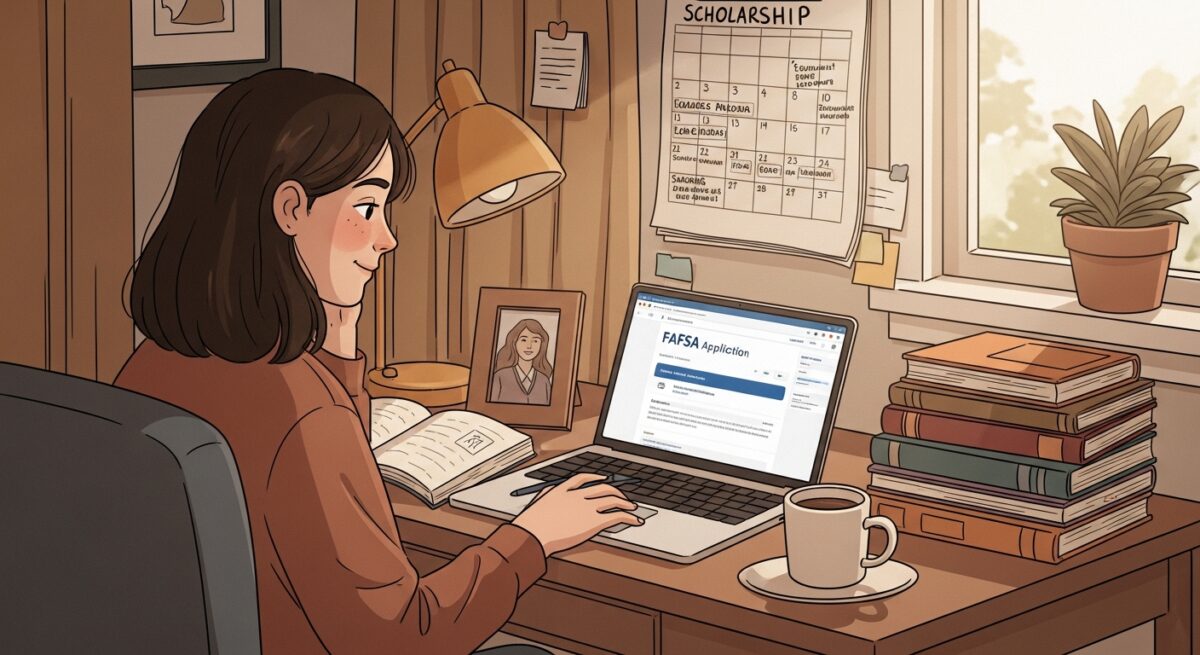
Balancing the demands of parenthood with the dream of a college degree can feel overwhelming. For single mothers, the cost of tuition, books, and childcare often creates a barrier that seems impossible to overcome. However, the Federal Pell Grant for Single Mothers Financial Aid Guide highlights a powerful resource that can change this trajectory: the Federal Pell Grant. Unlike student loans, this federal funding does not require repayment, making it one of the most effective tools for single parents seeking higher education. This guide walks you through eligibility, application steps, and strategies to maximize your award, ensuring you can pursue your academic goals without the burden of debt.
What Is the Federal Pell Grant and How Does It Help Single Mothers?
The Federal Pell Grant is a need-based grant awarded by the U.S. Department of Education to low-income undergraduate students. For single mothers, this grant is a lifeline. It provides funds that can be used for tuition, fees, room and board, books, supplies, and even childcare expenses if they are part of your cost of attendance. The key advantage is that it is a grant, not a loan. You do not have to pay it back as long as you meet the terms of your enrollment.
Pell grants for moms are especially valuable because they reduce the need for private loans or high-interest credit cards. The maximum Pell Grant award for the 2025-2026 award year is expected to be around $7,395, though the exact amount depends on your Expected Family Contribution (EFC), enrollment status, and cost of attendance. For a single mother attending school part-time while working or caring for children, even a partial award can significantly reduce financial stress.
Eligibility Requirements for Single Mothers
To qualify for a Pell Grant, you must meet several criteria. Understanding these requirements is the first step in securing funding.
Basic Eligibility Criteria
- Financial Need: Your EFC, calculated from your FAFSA, must be below a certain threshold set by the Department of Education.
- Citizenship: You must be a U.S. citizen or an eligible non-citizen (such as a permanent resident).
- Enrollment: You must be enrolled in an eligible degree or certificate program at a participating school.
- Selective Service: Male students aged 18-25 must be registered with Selective Service.
- Satisfactory Academic Progress: You must maintain a minimum GPA and course completion rate.
Single mothers often qualify because their household income is typically lower, especially if they are the sole provider. Unlike some scholarships, the Pell Grant does not require a minimum GPA for initial eligibility, making it accessible to students who may have struggled academically in the past. However, you must maintain satisfactory academic progress once enrolled to continue receiving funds.
Step-by-Step Application Process
Applying for the Pell Grant is done entirely through the Free Application for Federal Student Aid (FAFSA). Follow these steps to ensure you do not miss out.
- Gather Your Documents: Collect your Social Security number, driver’s license (if you have one), tax returns, W-2s, bank statements, and records of any untaxed income. If you are a single mother, you will also need your child’s information, though they are not directly included in your financial data unless you are claiming them as dependents.
- Create an FSA ID: Both you and your parent (if you are a dependent student) need a Federal Student Aid ID. As a single mother, if you are an independent student (which is likely after age 24 or if you have dependents), you only need your own FSA ID.
- Complete the FAFSA: Go to studentaid.gov and fill out the form. List up to 10 schools you are considering. The FAFSA uses your tax information from two years prior (the prior-prior year), so you can file early.
- Review Your Student Aid Report (SAR): After submission, you will receive a SAR summarizing your data. Check it for errors and make corrections if needed.
- Accept Your Award: Each school you listed will send you a financial aid offer. Compare offers and accept the Pell Grant if it is included.
The process is free. Beware of scams charging fees for FAFSA help. For additional support, visit the official Federal Student Aid website or contact your school’s financial aid office.
Maximizing Your Pell Grant Award
Receiving a Pell Grant is just the beginning. You can take steps to stretch the funds further.
First, enroll full-time if possible. Pell Grants are prorated based on enrollment status. A full-time student receives the maximum award, while a half-time student receives half. If you can manage a full course load, you will get more money. However, single mothers often need flexibility. Even part-time enrollment can provide meaningful support. Second, choose a school that offers a low cost of attendance. Community colleges and public universities often have lower tuition, allowing your Pell Grant to cover a larger percentage of expenses. Third, apply for other aid simultaneously. The Pell Grant can be combined with other grants, scholarships, and work-study programs. Many single parent education grants are available through state programs and private foundations. In our guide on Hope Grant Eligibility and Financial Aid Benefits Guide, we explain how to stack multiple funding sources.
Finally, use your school’s financial aid office. They can help you adjust your budget if you have unexpected expenses, such as childcare or transportation costs. Some schools also offer emergency grants for single mothers facing financial crises.
Common Challenges and Solutions
Single mothers face unique obstacles when pursuing education. Time constraints, childcare responsibilities, and financial instability are common. However, the Pell Grant is designed to accommodate these challenges.

One major hurdle is the FAFSA dependency status. If you are under 24 and do not have a dependent child, you may be considered a dependent student, requiring your parent’s financial information. This can reduce your eligibility. However, if you have a child, you automatically qualify as an independent student. Another challenge is maintaining satisfactory academic progress. If you fail a course or drop below half-time enrollment, you may lose eligibility. To avoid this, communicate with your academic advisor about your course load and seek tutoring if needed.
Additionally, Pell Grants have a lifetime limit of 12 semesters (or six years). Plan your degree path carefully to avoid exhausting your eligibility before graduating. If you switch majors or take remedial courses, you may use up semesters without earning credits toward your degree.
Complementary Resources for Single Mothers
Beyond the Pell Grant, single mothers should explore other financial aid options. The Federal Supplemental Educational Opportunity Grant (FSEOG) is for students with exceptional financial need, and it is awarded by participating schools. Many states offer need-based grants, such as the Cal Grant in California or the TEG in Texas. Private scholarships for single mothers are also abundant. Organizations like the PEO International, the Women’s Independence Scholarship Program, and local community foundations provide funds specifically for women returning to school.
You can also explore online degree programs, which often offer flexibility and lower costs. For more information about affordable online options, visit degreeonline.education to compare programs that fit your schedule. Combining a Pell Grant with an online program can reduce transportation and childcare costs significantly.
Frequently Asked Questions
Can I receive a Pell Grant if I am a single mother attending school part-time?
Yes. Pell Grants are prorated based on enrollment status. If you attend half-time, you will receive half of the maximum award. You must be enrolled at least half-time to receive any Pell Grant funds.
Does the Pell Grant cover childcare expenses?
Indirectly, yes. Your school’s cost of attendance includes an allowance for childcare. If your Pell Grant exceeds tuition and fees, the remaining funds can be used for living expenses, including childcare.
What happens to my Pell Grant if I drop out or fail classes?
If you withdraw before completing 60% of the semester, you may have to repay a portion of the grant. Failing classes can affect your satisfactory academic progress, potentially disqualifying you from future Pell Grants. Always consult your financial aid office before making schedule changes.
How do I know if I am an independent student for FAFSA purposes?
You are considered independent if you are 24 or older, married, a graduate student, a veteran, an orphan, or have legal dependents (including a child). As a single mother with a child, you automatically qualify as independent regardless of your age.
Can I use Pell Grant funds for an online degree?
Yes, as long as the school and program are accredited and eligible for federal aid. Many online programs are Pell-eligible. Check with your school’s financial aid office to confirm.
This Federal Pell Grant for Single Mothers Financial Aid Guide has outlined the key steps to accessing this vital funding. The Pell Grant is a powerful tool that can reduce your out-of-pocket costs and help you focus on your studies. By completing the FAFSA early, maintaining your enrollment, and exploring complementary aid, you can turn your educational aspirations into reality. Start your application today and take the first step toward a brighter future for you and your family.