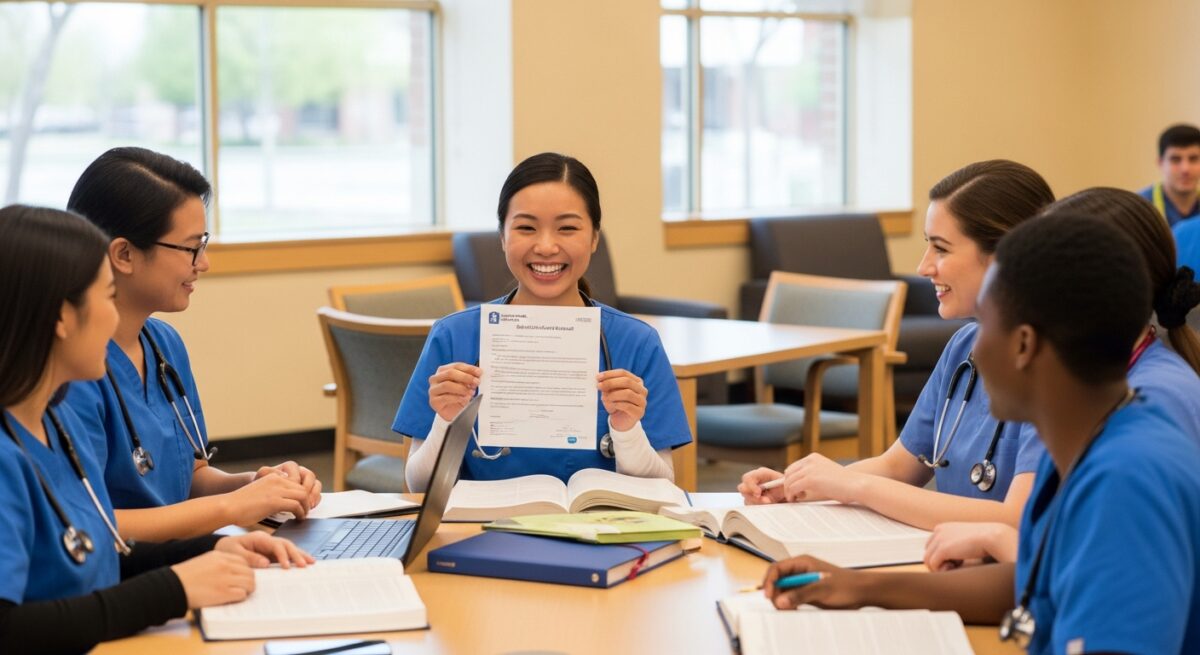
The cost of nursing education can feel overwhelming, but a wide range of funding options exists to help you graduate with less debt. Whether you are starting a Bachelor of Science in Nursing (BSN), pursuing an accelerated degree, or advancing to a graduate-level role, understanding how to find and secure nursing scholarships and grants is essential. This Nursing Scholarships and Grants Complete Guide will walk you through the types of aid available, where to find them, and how to submit strong applications. By the end, you will have a clear roadmap to fund your nursing education and focus on what matters most: becoming a skilled healthcare professional.
Why Nursing Scholarships and Grants Matter More Than Ever
The demand for registered nurses, nurse practitioners, and specialized nursing professionals continues to grow across the United States, the UK, Canada, Australia, and the EU. However, the cost of tuition, clinical fees, uniforms, and licensure exams can create a significant financial barrier. Unlike student loans, nursing scholarships and grants do not require repayment. This makes them one of the most valuable tools for reducing educational debt. Grants are typically need-based, while scholarships may be merit-based, demographic-specific, or tied to a commitment to work in a particular healthcare setting after graduation. Both forms of aid can cover tuition, books, living expenses, and sometimes even travel costs for clinical rotations.
Types of Nursing Grants You Should Know
Grants are often awarded based on financial need, and they can come from federal, state, or institutional sources. Understanding the main categories of nursing grants will help you target the right opportunities.
Federal and State Nursing Grants
In the United States, the largest source of nursing grants is the federal government through programs like the Nursing Scholarship Program (NSP) and the Health Resources and Services Administration (HRSA) grants. The NSP, for example, provides funding to nursing students in exchange for a service commitment at a Critical Shortage Facility after graduation. State governments also offer grants for nursing students, especially those willing to practice in underserved rural or urban areas. For example, the California State Nursing Grants and the Texas Nursing Shortage Reduction Program provide substantial awards to residents. To find state-specific grants, visit your state board of nursing or higher education agency website.
Institutional Grants from Nursing Schools
Many colleges and universities set aside funds specifically for nursing students. These institutional grants may be based on financial need, academic performance, or a combination of both. When researching programs, contact the financial aid office directly and ask about nursing-specific institutional grants. Some schools also offer grants for students pursuing online nursing degrees, which can reduce the cost of distance education. For example, several featured colleges on Scholarship.Education, such as Grand Canyon University and South University, offer institutional aid packages that include grants for nursing students.
Top Nursing Scholarships to Pursue
Scholarships for nursing students are abundant, but they require careful research and preparation. Below are some of the most promising categories and examples.
Merit-Based Nursing Scholarships
Merit-based scholarships reward academic excellence, leadership, and community involvement. The National Merit Scholarship Program and the American Association of Colleges of Nursing (AACN) Scholarships are excellent examples. Many nursing schools also offer dean’s scholarships or honors program awards for students with high GPAs and strong entrance exam scores. If you have a strong academic record, prioritize these scholarships because they often provide substantial funding and do not require a service commitment.
Demographic and Diversity Scholarships
To increase diversity in the nursing workforce, many organizations offer scholarships for underrepresented groups. Examples include the National Black Nurses Association (NBNA) Scholarships, the Hispanic Association of Colleges and Universities (HACU) Nursing Scholarships, and the American Indian Nurse Scholarship. These awards aim to support students from minority backgrounds and promote culturally competent care. Additionally, scholarships exist for male nursing students, first-generation college students, and veterans transitioning into healthcare careers.
Service-Commitment Scholarships
Some nursing scholarships require you to work in a specific facility or region after graduation. The HRSA Nursing Scholarship Program and the Nurse Corps Scholarship Program are prominent examples. In exchange for full tuition, fees, and a monthly stipend, you commit to working at a Critical Shortage Facility for two to four years. While this requires a long-term commitment, it can eliminate the need for student loans entirely. If you are open to working in underserved communities, these scholarships are worth serious consideration.
In our guide on how to secure full ride nursing scholarships for future nurses, we explain the strategies that can help you qualify for these comprehensive awards.
Where to Find Nursing Scholarships and Grants
Knowing where to search is half the battle. Use the following sources to build your list of opportunities:
- Scholarship.Education database: Start here for a curated list of nursing scholarships and grants from the US, UK, Canada, Australia, and the EU. Use filters to narrow by degree level, location, and field of study.
- Professional nursing organizations: Groups like the American Nurses Association (ANA), the Emergency Nurses Association (ENA), and the Oncology Nursing Society (ONS) offer scholarships to members. Join these organizations early to access member-only awards.
- Hospital and healthcare employer scholarships: Many hospitals and healthcare systems offer tuition assistance or scholarships to students who commit to working for them after graduation. For example, Kaiser Permanente and Mayo Clinic have robust scholarship programs.
- State nursing boards and health departments: State-level agencies often administer grants and loan repayment programs for nursing students. Check your state’s official website for current offerings.
- College financial aid offices: Your school’s financial aid office is an underutilized resource. They can inform you about internal scholarships, emergency grants, and partnerships with local employers.
When you find a promising scholarship, read the eligibility criteria carefully. Some awards are for specific degree levels (ADN, BSN, MSN, DNP) or require enrollment in an accredited program. Always confirm that your school is accredited by a recognized body like the Commission on Collegiate Nursing Education (CCNE) or the Accreditation Commission for Education in Nursing (ACEN).

How to Apply for Nursing Scholarships and Grants
Applying for nursing scholarships and grants requires organization and attention to detail. Follow these steps to improve your chances of success.
Prepare Your Documents in Advance
Most scholarship applications require transcripts, letters of recommendation, a resume or CV, and a personal statement. Request transcripts and recommendation letters at least four weeks before the deadline. For letters of recommendation, choose professors, clinical instructors, or supervisors who can speak to your dedication to nursing and your academic abilities. Provide them with a summary of your goals and the scholarship details so they can write a targeted letter.
Write a Compelling Personal Statement
The personal statement is your chance to stand out. Explain why you chose nursing, how the scholarship will help you achieve your goals, and what impact you hope to make in healthcare. Be specific about your career plans, such as working in pediatric oncology, rural health, or critical care. Avoid generic statements and instead share a brief story or experience that shaped your passion for nursing. Tailor each statement to the scholarship’s mission and values.
Meet All Deadlines and Requirements
Create a spreadsheet with scholarship names, deadlines, required documents, and submission methods. Set reminders for each deadline at least one week in advance. Some scholarships require additional materials like a video essay, a portfolio, or proof of community service. Double-check that you have submitted all components before the deadline. Incomplete applications are often disqualified without review.
Frequently Asked Questions
Can I apply for both nursing scholarships and grants at the same time?
Yes, you can and should apply for multiple scholarships and grants simultaneously. Many students combine federal grants, state grants, institutional scholarships, and private awards to cover their full cost of attendance. Just ensure you read the terms of each award, as some may affect your eligibility for other forms of aid.
Do nursing scholarships and grants cover online degree programs?
Many do. Online nursing programs, especially RN-to-BSN and graduate-level degrees, are eligible for federal grants, institutional scholarships, and many private awards. However, you must verify that the program is accredited and that the scholarship provider approves distance learning. Some scholarships require full-time enrollment, which may be defined differently for online students.
What is the difference between a scholarship and a grant for nursing students?
Grants are typically need-based and awarded based on your financial situation as determined by the FAFSA or a similar form. Scholarships are often merit-based, awarded for academic achievement, leadership, or specific demographic criteria. Both do not require repayment, making them ideal forms of financial aid.
How can I find nursing scholarships for international students?
International students can search for scholarships offered by universities, private foundations, and government programs in their host country. For example, the UK offers the NHS Learning Support Fund for nursing students, and Australia provides the Nursing and Allied Health Scholarship and Support Scheme. Scholarship.Education also lists opportunities for international students in the US, Canada, and the EU.
Is it worth applying for small nursing scholarships?
Yes. Small scholarships can add up quickly. Even a $500 scholarship can cover textbooks or clinical supplies. Additionally, applying for smaller awards often involves less competition, increasing your chances of success. Many students use a combination of small and large scholarships to fund their education fully.
For more information on online degree options that may qualify for these funding sources, you can explore programs through DegreesOnline.Education, which features accredited online nursing degrees from partner institutions.
Final Thoughts on Funding Your Nursing Education
Securing nursing scholarships and grants requires effort, but the payoff is a career in nursing without the burden of excessive debt. Start your search early, stay organized, and apply to as many opportunities as you qualify for. Remember that every application you submit brings you closer to your goal. Use the resources on Scholarship.Education to explore featured colleges, set up deadline alerts, and read application tips from other successful nursing students. With persistence and a strategic approach, you can find the funding you need to launch your nursing career.