
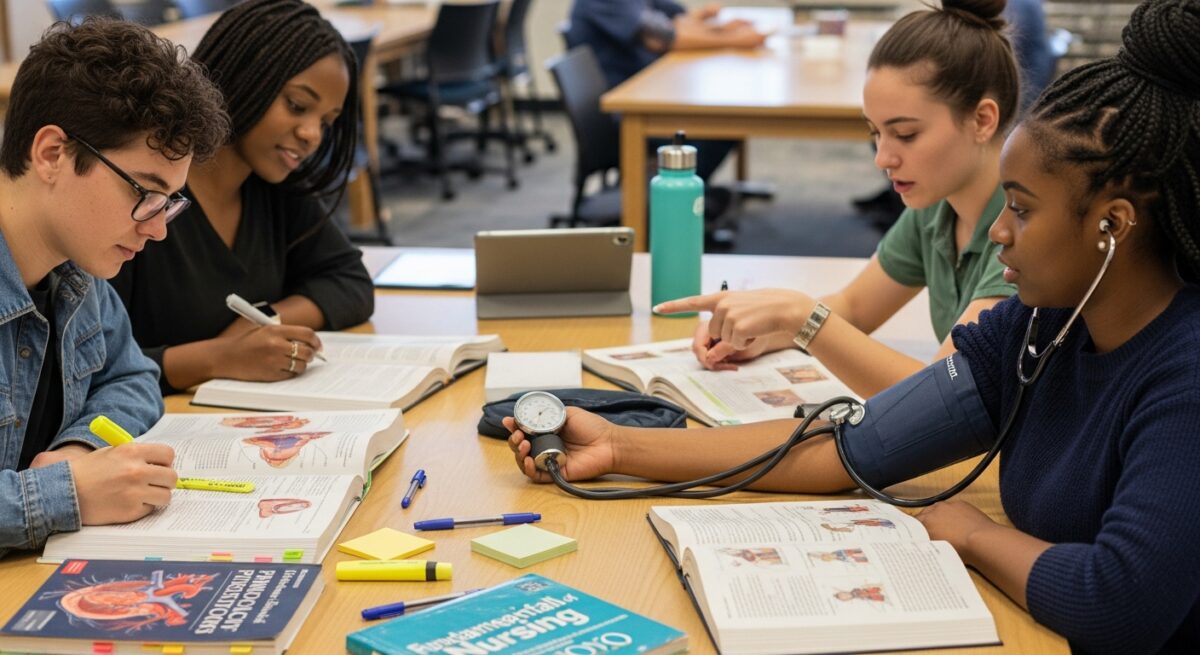
The cost of nursing education can be a significant barrier for many dedicated students. Between tuition, fees, books, and clinical supplies, the financial burden often discourages talented individuals from pursuing a career in healthcare. However, a wide range of nursing scholarship programs exist to help offset these expenses. Understanding how to apply and qualify for these opportunities is the first step toward funding your education without overwhelming debt. This guide walks you through the process, from finding the right scholarships to submitting a compelling application.
Understanding the Landscape of Nursing Scholarships
Nursing scholarships are not one-size-fits-all. They come from various sources, each with its own criteria and application process. The most common sources include federal and state governments, private foundations, professional nursing organizations, and individual colleges or universities. Some scholarships are merit-based, rewarding academic achievement or leadership, while others are need-based, focusing on financial circumstances. There are also scholarships targeted at specific demographics, such as minority students, men in nursing, or students pursuing particular specialties like pediatric or geriatric nursing.
To begin your search, it helps to categorize opportunities by their source. Government-funded programs, like the Nurse Corps Scholarship Program, often require a service commitment in exchange for full tuition coverage. Private foundations, such as the American Nurses Association or the Johnson & Johnson Campaign for Nursing’s Future, offer a variety of awards. Additionally, many hospitals and healthcare systems provide scholarships to students who agree to work for them after graduation. This diversity means you need a strategic approach to identify which opportunities align with your goals and background.
Key Qualifications for Nursing Scholarship Programs
While each scholarship has unique requirements, several common qualifications appear across most programs. Meeting these baseline criteria is essential for any applicant. The most universal requirement is enrollment or acceptance into an accredited nursing program. This could be an Associate Degree in Nursing (ADN), a Bachelor of Science in Nursing (BSN), or a graduate-level program. You will typically need to provide proof of enrollment, such as an acceptance letter or current transcript.
Other frequent qualifications include a minimum GPA, usually around 3.0 on a 4.0 scale, though some competitive scholarships require higher. Many programs also require U.S. citizenship or permanent residency, and some state-based scholarships require residency in that state. For need-based scholarships, you must submit financial documentation, often through the Free Application for Federal Student Aid (FAFSA). Finally, letters of recommendation from instructors, clinical supervisors, or employers are almost always required. These letters should speak to your character, dedication, and potential as a nurse.
Specialized Eligibility Criteria
Beyond the basics, many nursing scholarship programs target specific groups to address workforce shortages or promote diversity. For example, the National Health Service Corps Scholarship Program focuses on primary care providers who commit to serving in underserved communities. Similarly, the Indian Health Service Scholarship is for Native American students. If you belong to a minority group, are a first-generation college student, or are pursuing a specialty like psychiatric nursing, you may qualify for scholarships that others do not. Researching these niche opportunities can significantly increase your chances of receiving funding.
How to Apply for Nursing Scholarships: A Step-by-Step Process
Applying for scholarships can feel overwhelming, but breaking the process into steps makes it manageable. Start early, ideally a year before you need the funds, as many deadlines fall in the spring for the following academic year. Begin by creating a master list of scholarships you qualify for, noting their deadlines, required documents, and any essay prompts. Use a spreadsheet or calendar to track everything.
Next, gather your supporting materials. Request transcripts from your school, and ask for letters of recommendation at least one month before the deadline. Give your recommenders a summary of the scholarship and your goals so they can write specific, compelling letters. For the application itself, pay close attention to instructions. Some programs require a personal statement, while others ask for short answers to specific questions. Tailor each essay to the scholarship’s mission. For example, if the scholarship emphasizes community service, highlight your volunteer experiences in healthcare settings.
Before submitting, proofread everything multiple times. Have a mentor, professor, or friend review your application for errors and clarity. Missing a single document or making a typo can disqualify you. Finally, submit early if possible. Some programs review applications on a rolling basis, and early submission shows initiative. After submitting, keep copies of everything for your records. If you do not receive an award, reapply the following year with an improved application.
For further guidance on navigating the broader financial aid landscape, including graduate-level opportunities, you may find it helpful to review our detailed resource on how to apply and qualify for graduate school scholarships, which covers strategies applicable to nursing programs as well.
Where to Find Nursing Scholarship Programs
Knowing where to search is half the battle. Start with your school’s financial aid office, as they maintain a list of institutional scholarships. Many colleges also have scholarship portals where you can apply for multiple awards with one application. Next, explore professional nursing organizations. The American Association of Colleges of Nursing (AACN) and the National League for Nursing (NLN) both offer scholarships. State nursing associations, such as the California Nurses Association, often have local awards.
Online databases are another powerful tool. Websites like the Health Resources and Services Administration (HRSA) list federal scholarship opportunities. Private scholarship search engines, such as Fastweb or Scholarships.com, allow you to filter by field of study. Additionally, consider local resources. Your community hospital, local Rotary Club, or religious organization may offer small scholarships that have fewer applicants and higher success rates. Finally, do not overlook employer-based scholarships. If you work in a healthcare setting, your employer may offer tuition assistance or scholarships for nursing students.
Tips for Standing Out as an Applicant
With many qualified candidates applying for the same funds, you need to distinguish yourself. The most effective way is through a compelling personal statement. Instead of simply listing your achievements, tell a story about why you chose nursing. Connect your personal experiences to your career goals. For example, describe a moment when you helped someone in need and how that fueled your passion for healthcare. Be authentic and specific.
Another way to stand out is through community service and leadership. Scholarship committees value applicants who have already contributed to their communities. Volunteer at a free clinic, lead a health awareness campaign, or mentor younger students. These experiences provide concrete examples of your commitment to service. Additionally, maintain a strong academic record. A high GPA is not everything, but it demonstrates discipline and readiness for rigorous coursework.
Finally, apply for multiple scholarships. Do not put all your eggs in one basket. The more applications you submit, the higher your chances of receiving an award. Even small scholarships can add up, covering the cost of books or clinical supplies. Treat each application as an opportunity to refine your story and your professional brand.
Frequently Asked Questions About Nursing Scholarships
Can I apply for nursing scholarships if I am already enrolled in a program?
Yes. Many scholarships are open to current nursing students at any stage of their education. Some are specifically for students in their final year, while others support those just entering a program. Always check the eligibility criteria; most programs do not require you to be a new student.
Do I need to pay back nursing scholarships?
No, scholarships are gift aid and do not need to be repaid. However, some scholarships, like the Nurse Corps Scholarship Program, require a service commitment after graduation. If you fail to fulfill that commitment, you may be required to repay the funds plus interest. Read the terms carefully before accepting.
How many nursing scholarships can I apply for?
There is no limit. You can apply for as many as you qualify for. In fact, applying to multiple scholarships increases your total funding potential. Just be sure to manage your time so you can submit high-quality applications for each one.
What if I do not have a high GPA?
Some scholarships are need-based or focus on other factors like community service or leadership, so a lower GPA does not automatically disqualify you. Look for scholarships that prioritize financial need or personal background. You can also improve your GPA over time and reapply.
Are there scholarships for part-time nursing students?
Yes, but they are less common. Many scholarships require full-time enrollment. However, some programs, especially those offered by employers or local organizations, may accommodate part-time students. Always verify the enrollment requirement on the scholarship website.
Securing Your Future in Nursing
Financing a nursing education requires effort, but the rewards are immense. By understanding the types of scholarships available, meeting key qualifications, and submitting thoughtful applications, you can reduce your financial stress and focus on your studies. Start your search early, leverage every resource available, and do not be discouraged by rejection. Each application is a learning experience that brings you closer to your goal. With persistence and a strategic approach, you can find the funding you need to launch a fulfilling career in nursing. Use the tools and guides on Scholarship.Education to explore online degree options and financial aid opportunities that align with your path. Your future in healthcare starts with a single application.