
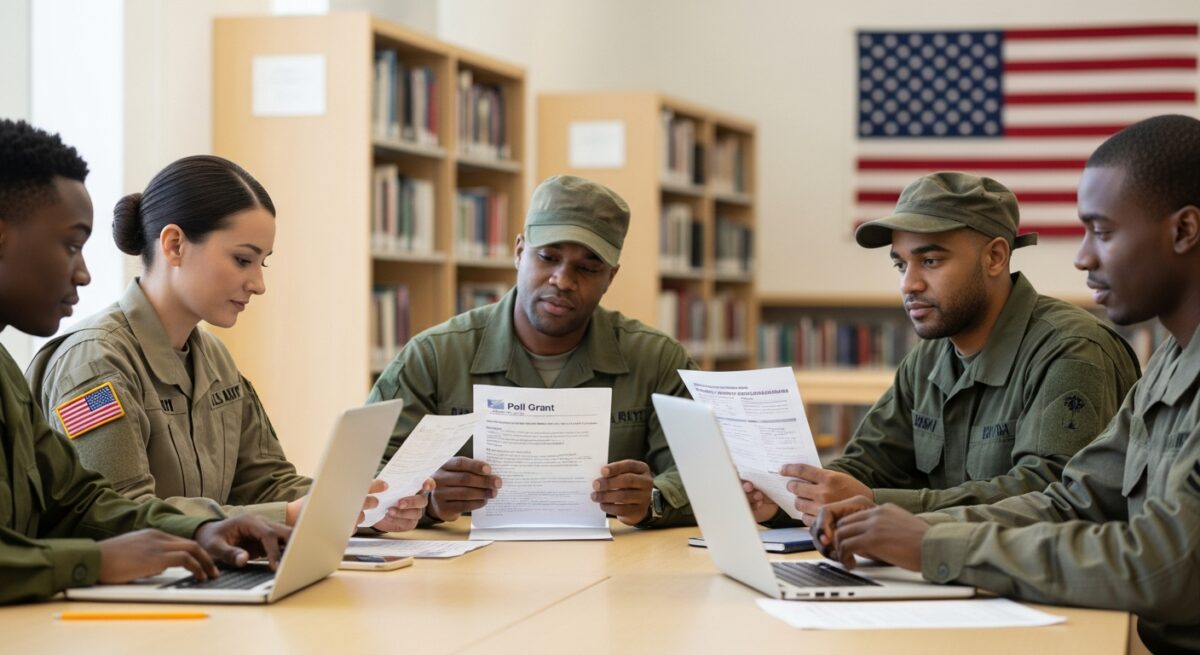
For active-duty service members, veterans, and military families, funding higher education can feel like navigating a complex battlefield. Between the GI Bill, tuition assistance programs, and federal student aid, knowing where to start is often the hardest part. One of the most powerful and often underutilized resources is the Pell Grant. When combined with military-specific education benefits, this federal grant can significantly reduce or even eliminate out-of-pocket costs for college. This guide explains how military-connected students can maximize Pell Grants alongside other education benefits to achieve their academic goals without taking on unnecessary debt.
Understanding the intersection of military benefits and federal aid is essential. Many service members assume their benefits are limited to the Post-9/11 GI Bill or tuition assistance. While those programs are excellent, they do not always cover every expense. The Pell Grant fills gaps, covers living costs, and can be used at a wide range of institutions. This guide will walk you through eligibility, application steps, and strategies to combine these funding sources effectively.
What Is a Pell Grant and How Does It Work for Military Students?
A Pell Grant is a need-based federal grant awarded to undergraduate students who demonstrate significant financial need. Unlike loans, Pell Grants do not have to be repaid. For military students, this grant can be a lifeline. It is available to active-duty members, veterans, reservists, and dependents who meet the standard eligibility criteria. The key requirement is filing the Free Application for Federal Student Aid (FAFSA).
For military families, the calculation of financial need can be unique. The Department of Education considers the student’s and family’s income and assets. However, certain military benefits, such as housing allowances and combat pay, may be treated differently. For example, combat pay is often excluded from income calculations on the FAFSA, which can increase Pell Grant eligibility. It is important to understand these nuances to avoid missing out on aid. As part of this Military Pell Grants and Education Benefits Guide, we recommend exploring the FAFSA process early to capture all eligible funding.
Pell Grant amounts change annually. For the 2025-2026 award year, the maximum Pell Grant is over $7,000. This amount can cover a significant portion of tuition at community colleges and many public universities. When combined with military tuition assistance or the GI Bill, a student can often attend school with little to no direct cost. The grant is paid directly to the school, which then applies it to tuition, fees, and other charges. Any remaining funds are disbursed to the student for living expenses, books, and supplies.
Eligibility for Pell Grant Military Students
Eligibility for a Pell Grant is determined primarily by financial need, but there are specific considerations for military-connected students. To qualify, you must be a U.S. citizen or eligible non-citizen, have a valid Social Security number, and be enrolled in an eligible degree or certificate program. You also must maintain satisfactory academic progress as defined by your school.
For military students, the following factors can affect eligibility:
- Income and Asset Reporting: Report all income sources accurately. Remember that combat pay is excluded. Non-taxable housing allowances may be included, so consult a financial aid officer for clarification.
- Dependency Status: Active-duty service members are generally considered independent students for FAFSA purposes. This means you do not need to provide parental income information, which can increase your Pell Grant eligibility.
- Enrollment Status: You must be enrolled at least half-time to receive a Pell Grant. However, some exceptions apply for less-than-half-time enrollment in certain circumstances.
- Prior Degree: Pell Grants are primarily for undergraduate students. If you already hold a bachelor’s degree, you are generally not eligible, though there are limited exceptions for teacher certification programs.
After reviewing eligibility factors, the next step is to file the FAFSA. The form opens on October 1 each year. Military students should file as early as possible because some aid is awarded on a first-come, first-served basis. If you are a single mother or parent, you may qualify for additional support. In our guide on FAFSA for Single Moms: Grants and Education Support, we explain how to navigate these processes while balancing family responsibilities.
Combining Pell Grants with Military Education Benefits
The real power of Pell Grants for military students comes from stacking them with other benefits. You can receive a Pell Grant and use the Post-9/11 GI Bill or Montgomery GI Bill simultaneously. Similarly, tuition assistance from your branch of service does not disqualify you from receiving a Pell Grant. This stacking approach can cover tuition, fees, housing, and even provide a living stipend.
For example, consider a veteran using the Post-9/11 GI Bill at a public university. The GI Bill pays tuition directly to the school. The Pell Grant, if awarded, can be used for off-campus housing, books, or other costs. In many cases, the Pell Grant refund check provides a monthly supplement that helps cover living expenses. This combination is especially valuable for veterans who have exhausted some of their GI Bill entitlement or who are attending school part-time.
Active-duty members using tuition assistance can also benefit. Tuition assistance covers a set amount per credit hour, often up to $250 per credit with an annual cap. If the cost of tuition exceeds that amount, the Pell Grant can cover the difference. Additionally, if tuition is fully covered, the Pell Grant refund can be used for books, supplies, or even childcare. This strategy helps military students avoid taking out loans.
For those pursuing online degrees, the flexibility is even greater. Many online programs have lower tuition rates, and the Pell Grant can cover a larger percentage of costs. When you combine Pell Grant military funding with tuition assistance, you can often complete a degree with zero out-of-pocket expense. Explore affordable online degree programs that accept federal aid and military benefits to maximize your savings.
How to Apply for Pell Grants and Military Benefits
Applying for Pell Grants and military education benefits requires a few specific steps. First, complete the FAFSA at studentaid.gov. This single application determines your eligibility for federal grants, loans, and work-study. You will need your tax returns, W-2s, and records of untaxed income. For military students, gather your Leave and Earnings Statement (LES) or your DD Form 214 if you are a veteran.

Second, apply for your military education benefits separately. For the Post-9/11 GI Bill, submit VA Form 22-1990 through the VA’s website. For tuition assistance, contact your base education office or use your branch’s online portal. Ensure you understand the requirements for each program. Some benefits require a service obligation, while others have time limits for use.
Third, work with your school’s financial aid office. They can help you understand how your Pell Grant and military benefits interact. They will also certify your enrollment with the VA and process your tuition assistance. It is wise to meet with a financial aid counselor early in the process to create a complete funding plan. Many schools have dedicated staff for military and veteran students.
Common Questions About Pell Grant Military Funding
Can I get a Pell Grant while using the GI Bill?
Yes. The GI Bill and Pell Grant are separate programs with different funding sources. Receiving one does not affect your eligibility for the other. Many veterans and active-duty members use both to cover all costs.
Does military housing allowance count as income for Pell Grant calculations?
Basic Allowance for Housing (BAH) is generally considered untaxed income and may be reported on the FAFSA. However, combat pay and some other allowances are excluded. Check with a financial aid advisor for specific guidance based on your situation.
What if I am a spouse or dependent of a service member?
Spouses and dependents may qualify for Pell Grants based on their own income and assets. They may also be eligible for transferred GI Bill benefits or scholarships for military families. Filing the FAFSA is the first step to determine eligibility.
Are there deadlines for applying?
Yes. The FAFSA opens October 1 each year. State and school deadlines vary. Some states have limited funds that run out quickly. Apply as early as possible to maximize your Pell Grant and other aid.
Can I use Pell Grants for online or trade schools?
Absolutely. Pell Grants can be used at any accredited institution, including online universities, community colleges, and trade schools. Many technical and certificate programs qualify. Verify that your chosen school participates in federal student aid programs.
Maximizing Your Education Benefits as a Military Student
To get the most from your military education benefits and Pell Grants, adopt a strategic approach. Start by researching schools that are military-friendly. These schools often have dedicated veterans offices, flexible transfer credit policies, and additional scholarships for military students. Look for institutions that participate in the Yellow Ribbon Program, which can cover tuition costs that exceed GI Bill limits.
Consider your long-term goals. If you plan to pursue a graduate degree, you may want to preserve some GI Bill benefits for that purpose. Pell Grants are limited to undergraduate study, so using them early in your academic career can free up GI Bill funds for later. Also, explore state-level grants and scholarships for veterans. Many states offer additional aid that can be stacked with federal and military benefits.
Budget carefully. Even with Pell Grants and military benefits, you may have uncovered costs such as lab fees, technology fees, or specific course materials. Create a budget that accounts for these expenses. Use the Pell Grant refund wisely to cover essentials. Avoid taking out private loans unless absolutely necessary. Federal student loans, if needed, offer better terms and repayment options than private loans.
Finally, stay informed. Education benefits change over time. The Department of Veterans Affairs and the Department of Education regularly update policies. Join veteran student groups on campus or online to share tips and resources. Your school’s veteran office can also provide updates and help you navigate any changes.
This Military Pell Grants and Education Benefits Guide has outlined the key steps to funding your education. By combining Pell Grants with military benefits, you can reduce debt and focus on your studies. The path to a degree is achievable with the right plan and resources. Take the first step today by filing your FAFSA and contacting your school’s financial aid office.