
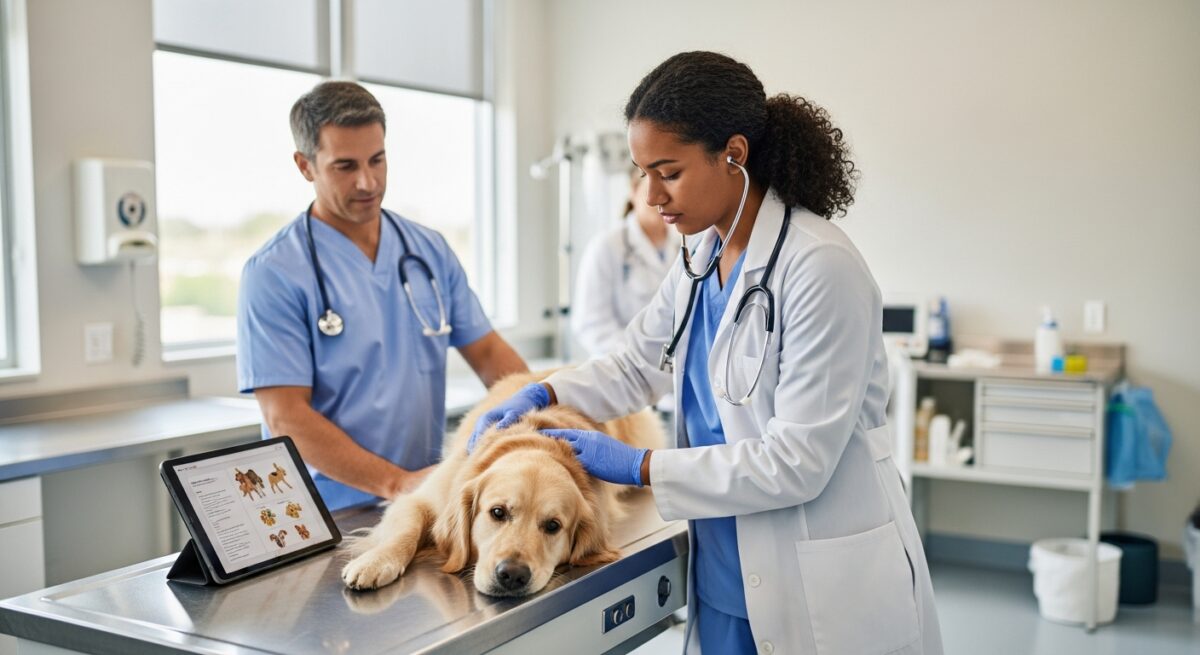
Pursuing a Doctor of Veterinary Medicine (DVM) degree is a dream for countless animal lovers, but the financial roadblock can feel insurmountable. With annual tuition at some U.S. veterinary schools exceeding $50,000, many aspiring veterinarians graduate with six-figure debt. Yet a growing number of students are funding their education through full ride veterinary scholarships and comprehensive vet school funding packages that cover tuition, fees, and living expenses. These awards are not myths. They exist at major universities, private foundations, and through government programs. The key is knowing where to look, how to qualify, and how to build a competitive application. This guide walks you through the full landscape of veterinary student aid, from national programs to niche opportunities, so you can reduce your out-of-pocket costs and start your career on solid financial ground.
Understanding Full Ride Veterinary Scholarships
A full ride scholarship covers the entire cost of attendance, including tuition, mandatory fees, books, supplies, and often a stipend for room and board. Unlike partial awards that merely chip away at costs, a full ride eliminates the need for student loans entirely. These competitive awards are typically offered by veterinary colleges themselves, federal programs like the Veterinary Medicine Loan Repayment Program (VMLRP), or philanthropic organizations dedicated to advancing animal health.
For example, the University of Florida College of Veterinary Medicine offers the Veterinary Scholars Program, which provides full tuition and a living stipend to a select group of students committed to research. Similarly, the St. George’s University School of Veterinary Medicine in Grenada has a limited number of full tuition scholarships for exceptional applicants. These programs aim to attract high-achieving students who will contribute to the profession, especially in underserved areas or specialized fields like food animal medicine.
Major Sources of Vet School Funding
Veterinary student aid comes from three primary buckets: university-based scholarships, government loan repayment programs, and private foundation grants. Each has distinct eligibility criteria, application timelines, and obligations. Understanding these categories helps you build a diversified funding strategy.
University-Based Full Ride Scholarships
Many U.S. veterinary colleges have endowed scholarship funds for incoming and current students. The most generous awards are often tied to specific missions. For instance, the Texas A&M College of Veterinary Medicine & Biomedical Sciences offers the Aggie Veterinary Scholars Program, which provides full tuition and a stipend for students pursuing a DVM along with a Ph.D. in biomedical sciences. This dual-degree path is ideal for those interested in academic or research careers.
Similarly, the University of California, Davis School of Veterinary Medicine has the Veterinary Scientist Training Program, a combined DVM/Ph.D. track that covers all tuition and provides a living stipend for up to seven years. These programs are highly selective, requiring strong academic records, research experience, and a clear commitment to veterinary science. For students who prefer clinical practice, some schools offer full tuition scholarships based on merit and financial need. The Purdue University College of Veterinary Medicine, for example, awards the Dr. William R. and Barbara M. Miller Scholarship to a small number of students each year, covering full tuition for all four years.
If you are just beginning your search, exploring early college funding options for high school students can help you plan ahead and identify scholarship opportunities that start before you even apply to vet school.
Federal and State Loan Repayment Programs
While not scholarships in the traditional sense, federal loan repayment programs can effectively create a full ride by forgiving your debt after graduation. The Veterinary Medicine Loan Repayment Program (VMLRP) is the most prominent. Administered by the U.S. Department of Agriculture, VMLRP pays up to $25,000 per year toward qualifying educational loans for veterinarians who agree to serve in designated shortage areas for three years. These shortage areas include rural food animal practices, public health, and research roles.
Another federal option is the Public Service Loan Forgiveness (PSLF) program. If you work full-time for a qualifying government or non-profit organization (such as a zoo, wildlife conservation group, or state diagnostic lab) and make 120 qualifying monthly payments under an income-driven repayment plan, the remaining loan balance is forgiven tax-free. While PSLF requires a decade of service, combining it with income-driven repayment can drastically reduce total repayment costs.
State-level programs also exist. For instance, the California Veterinary Medical Board offers a loan repayment program for veterinarians practicing in underserved areas of the state. Similar initiatives are available in states like Kansas, Nebraska, and Montana, often targeting large animal or rural practice.
Private Foundation and Corporate Scholarships
Numerous private organizations offer substantial awards for veterinary students. The American Veterinary Medical Foundation (AVMF) administers several scholarships, including the AVMF/AVMA Veterinary Student Scholarship Program, which provides up to $5,000 per year. While not a full ride, these awards can supplement other funding sources.

Corporate sponsors also play a role. Zoetis, a global animal health company, offers the Zoetis Veterinary Student Scholarship Program, awarding $2,000 to $5,000 to students at accredited veterinary colleges. The American Association of Equine Practitioners (AAEP) Foundation funds scholarships for students focused on equine medicine. For students interested in food animal medicine, the American Association of Bovine Practitioners (AABP) offers several scholarship opportunities.
To maximize your chances, apply to as many relevant scholarships as possible. A combination of a partial university scholarship, a corporate award, and a federal loan repayment commitment can effectively create a full ride over time.
How to Build a Competitive Application
Securing a full ride veterinary scholarship requires more than good grades. Admissions committees and scholarship panels look for well-rounded candidates who demonstrate leadership, clinical experience, research aptitude, and a clear vision for their veterinary career. Here is a step-by-step strategy to strengthen your application.
- Excel academically from day one. Most full ride scholarships require a minimum GPA of 3.5 or higher. Prioritize your prerequisite courses in biology, chemistry, physics, and mathematics. A strong Graduate Record Examination (GRE) score can also boost your application, though some schools have moved to test-optional policies.
- Gain extensive veterinary experience. Volunteer or work at animal hospitals, shelters, zoos, or research labs. Aim for at least 200 to 400 hours of hands-on experience. Diverse experiences with different species (companion animals, livestock, wildlife) are especially valuable.
- Demonstrate leadership and community service. Start a pre-veterinary club, organize a spay/neuter clinic, or lead a fundraising campaign for a local animal rescue. Leadership roles show initiative and commitment to the profession.
- Pursue research opportunities. Many full ride scholarships are tied to research tracks. Seek out undergraduate research programs in veterinary science, animal science, or biomedical research. Present your findings at conferences or co-author a paper if possible.
- Write a compelling personal statement. Your essay should articulate why you want to become a veterinarian, how you have prepared, and what unique perspective you bring. Be specific about your career goals and how the scholarship will help you achieve them. Avoid generic statements. Instead, share a personal story that illustrates your passion for animal health.
After submitting your application, prepare for interviews. Many competitive scholarships require an in-person or virtual interview. Practice answering questions about your clinical experiences, ethical dilemmas, and long-term plans. Be ready to explain why you deserve the award and how you will contribute to the veterinary community.
Frequently Asked Questions
What is the difference between a full ride and a full tuition scholarship?
A full tuition scholarship covers only tuition and mandatory fees. A full ride scholarship also includes room and board, books, supplies, and sometimes a personal stipend. Full ride awards are rarer but significantly reduce your total cost of attendance.
Can international students get full ride veterinary scholarships in the U.S.?
Yes, but options are limited. Most full ride scholarships at U.S. veterinary schools are reserved for U.S. citizens or permanent residents. However, some private foundations and international programs (such as the St. George’s University scholarships) are open to international students. Always check eligibility requirements carefully.
Do I need to pursue a DVM/Ph.D. to get a full ride?
No, but many full ride scholarships are tied to combined DVM/Ph.D. programs. These are designed for students interested in research or academic careers. If you want a clinical practice career, look for full tuition awards based on merit or financial need, and consider combining them with federal loan repayment programs.
How early should I start applying for scholarships?
Start researching scholarships at least one year before you plan to enroll. Many university-based awards have deadlines in the fall or winter of your senior year. Federal loan repayment programs like VMLRP require you to apply during your final year of veterinary school. Create a timeline and set reminders for each deadline.
What if I don’t get a full ride scholarship?
Do not be discouraged. Combine multiple partial scholarships, grants, and federal loan repayment programs to minimize debt. Work part-time during school (if your schedule allows) or consider attending a lower-cost in-state veterinary college. Every dollar you earn or save reduces the amount you need to borrow.
Start Your Funding Journey Today
Full ride veterinary scholarships and comprehensive vet school funding are attainable with careful planning and persistent effort. Begin by researching awards that match your background and career goals. Strengthen your application through academic excellence, hands-on experience, and leadership. Remember that veterinary student aid is not limited to scholarships alone. Federal and state loan repayment programs can effectively eliminate debt after graduation. By combining multiple strategies, you can graduate from veterinary school with minimal financial burden and focus entirely on your passion for animal health. Visit DegreeOnline.Education to explore flexible online programs that can help you complete prerequisite courses or even earn a related degree while you prepare for vet school. Your dream of becoming a veterinarian is within reach. Start building your financial plan today.