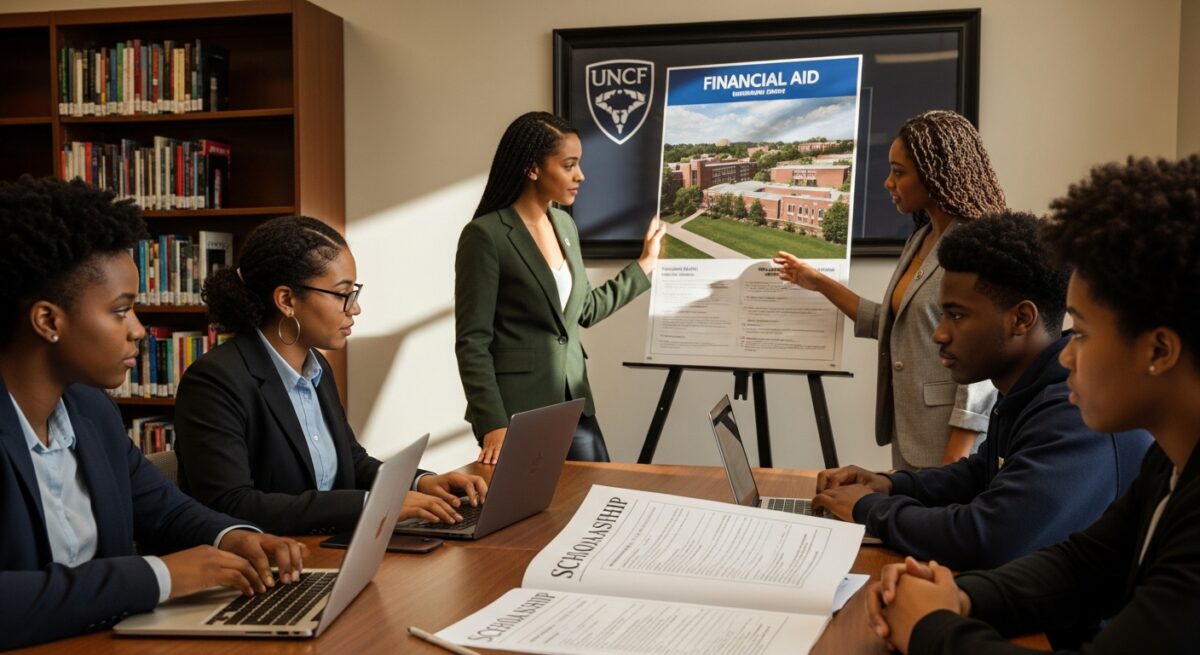
Being the first in your family to attend college is a major milestone, but the cost of tuition can feel like an impossible barrier. Many students in this position assume that financial aid is out of reach or too complicated to navigate. The reality is that a wealth of funding exists specifically for students like you. Scholarships for first generation students are designed to recognize the determination it takes to break new ground, and they can significantly reduce or even eliminate the need for student loans. This guide will walk you through the best opportunities, how to find them, and how to submit applications that stand out.
Why First Generation Scholarships Exist
Colleges, nonprofits, and corporations understand that first generation students often face unique challenges. Without a parent who has navigated the application process, you might not know about FAFSA deadlines, essay requirements, or how to compare financial aid offers. These scholarships are meant to level the playing field. They reward your ambition and provide the financial boost needed to turn your college dream into a reality.
Many first generation college scholarships also come with mentorship programs or academic support networks. This holistic approach helps you succeed once you arrive on campus, not just get you through the door. When you apply for these awards, you are not just asking for money. You are joining a community that wants to see you thrive.
Top National Scholarships for First Generation Students
Several well-known programs offer substantial awards to first generation students across the United States. These are competitive but absolutely worth your time. Here are some of the most impactful options:
- The Gates Scholarship: A highly selective, full-ride scholarship for Pell-eligible, minority, first generation high school seniors. It covers tuition, fees, room, board, books, and other costs.
- QuestBridge National College Match: This program connects high-achieving, low-income first generation students with partner colleges. If matched, you receive a full four-year scholarship covering the full cost of attendance.
- Coca-Cola First Generation Scholarship: Awarded to students attending one of over 120 participating partner colleges. The amount varies but often provides significant renewable aid.
- Horatio Alger Scholarship: Focused on students who have overcome adversity, this program gives substantial awards to first generation students with financial need who demonstrate integrity and perseverance.
- Jack Kent Cooke Foundation College Scholarship: Awarded to high-achieving high school seniors with financial need. It provides up to $55,000 per year for tuition, living expenses, and other costs.
Each of these programs has specific eligibility criteria, so read the fine print carefully. Pay close attention to deadlines, which often fall early in the fall of your senior year. Start your research at least a year before you plan to enroll.
How to Find Hidden First Generation Awards
Beyond the big national names, thousands of smaller scholarships for first generation students exist at the state and local level. Community foundations, local businesses, and even your target colleges themselves often have dedicated funds. The key is knowing where to look and how to search effectively.
Start with Your College Financial Aid Office
Every college you apply to should be asked about first generation specific awards. Many universities set aside institutional aid for students who are the first in their family to attend. This money is often less competitive than national scholarships because fewer students know to ask. Call the financial aid office and ask directly: Do you offer any scholarships for first generation students? If they do, ask for the application process and deadline.
Use Scholarship Search Engines Strategically
Websites like Scholarship.Education allow you to filter by demographic criteria. When you create a profile, be sure to check the box indicating you are a first generation college student. This will surface awards that might otherwise stay hidden. Set up email alerts so you never miss a new posting. For more tips on maximizing your search, check out our guide on College Funding for Idaho Residents: State Awards and Scholarships, which offers strategies applicable to any state.
Check with Community Organizations
Local Rotary clubs, chambers of commerce, and religious organizations often offer small scholarships that receive very few applicants. These awards may only be for $500 or $1,000, but every dollar counts. Because the applicant pool is small, your chances of winning are much higher. Ask your high school counselor or visit your local public library for a list of community scholarships.
Crafting a Winning Application
Applying for scholarships is a skill in itself. The most common mistake first generation students make is underestimating their own story. You do not need perfect test scores or a resume full of elite internships to win. You need to demonstrate resilience, ambition, and a clear vision for your future.

Your personal essay is the most important part of any application. Use it to explain what being a first generation student means to you. Describe the challenges you have overcome and how your family background has shaped your goals. Avoid simply repeating your resume. Instead, tell a compelling story that makes the reader root for you. Be specific. Instead of saying I am hardworking, describe the time you worked two jobs while maintaining a 3.8 GPA. Show, do not tell.
Also, pay close attention to recommendation letters. Ask teachers or mentors who know you well and can speak to your character and potential. Give them a copy of your resume and a brief summary of your goals so they can write a letter that aligns with your application. A generic letter from a teacher who barely knows you will not help you stand out.
Common Myths About First Generation Scholarships
Misinformation can hold students back from applying. Let us clear up a few persistent myths. First, many students believe that first generation college scholarships are only for students with perfect grades. While some awards are merit-based, many are need-based and value your story and determination over a 4.0 GPA. Second, some think that applying for scholarships is a waste of time because the competition is too fierce. The truth is that thousands of scholarships go unawarded every year simply because no one applied. If you take the time to submit thoughtful applications, your odds are much better than you think.
Finally, do not assume that you must choose between scholarships and other financial aid. You can combine first generation awards with federal Pell Grants, state grants, and work-study programs. A strong package of multiple funding sources can cover the full cost of your education. For a detailed breakdown of how to stack funding, visit CollegeAndTuition.com for expert advice on combining aid types without overborrowing.
Frequently Asked Questions
What qualifies as a first generation college student?
Most definitions say a first generation student is one whose parents did not complete a four-year college degree. Some programs also consider you first generation if neither parent completed any postsecondary education. Always check the specific eligibility criteria for each scholarship.
Can I apply for first generation scholarships if I am a graduate student?
Yes. Many awards are available for undergraduate students, but there are also scholarships for first generation graduate students. Look for programs offered by professional associations in your field of study. Some universities also offer fellowships specifically for first generation graduate students.
Do I need to be a U.S. citizen to apply?
It depends on the scholarship. Many national awards require U.S. citizenship or permanent residency. However, state and local scholarships may have different rules. International students and DACA recipients should look for scholarships that explicitly welcome their applications.
How many scholarships should I apply for?
There is no magic number, but a good target is 10 to 15. Focus on quality over quantity. Spend time tailoring each application rather than submitting the same generic essay everywhere. A well-crafted application for a $1,000 scholarship is worth more than ten rushed applications that get rejected.
Your Next Steps Toward a Debt-Free Degree
Securing scholarships for first generation students requires effort, but the payoff is life-changing. Start today by creating a dedicated email account for scholarship communications. Build a spreadsheet with deadlines, award amounts, and required materials. Reach out to your school counselor and your top choice colleges to ask about first generation specific funds. Then, begin writing your personal essay. Focus on your unique journey and the qualities that got you this far. Every application you submit brings you one step closer to a college education that opens doors for you and your entire family.