
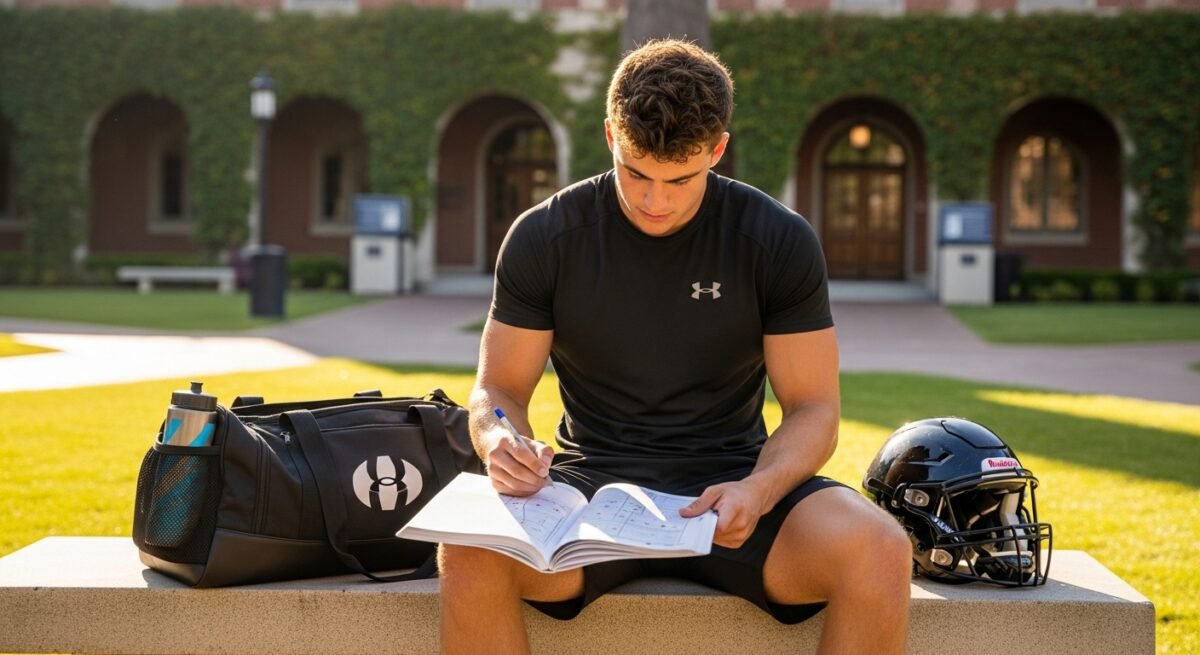
Athletic Scholarships: Student Eligibility and Key Benefits
Athletic scholarships for students provide crucial financial aid for college while offering elite training and academic structure. Understanding eligibility and benefits is key to securing an award.

By William Bennett
For many talented student-athletes, the dream of competing at the collegiate level is intertwined with the significant financial opportunity of an athletic scholarship. These awards represent more than just funding, they are a formal recognition of athletic prowess and a potential gateway to higher education that might otherwise be financially out of reach. Navigating the world of athletic scholarships for students, eligibility, and benefits requires a clear understanding of a complex system governed by national athletic associations, individual colleges, and specific sports programs. This guide breaks down the essential criteria you must meet and the substantial advantages that come with earning one of these coveted awards.
Understanding the Foundation: NCAA, NAIA, and NJCAA
Before diving into personal eligibility, you must understand the governing bodies that set the rules. In the United States, the National Collegiate Athletic Association (NCAA) is the largest, with three divisions (I, II, and III) that have distinct scholarship philosophies. Division I and II schools offer athletic scholarships, while Division III focuses on academic and need-based aid. The National Association of Intercollegiate Athletics (NAIA) and the National Junior College Athletic Association (NJCAA) also offer significant athletic scholarship opportunities, often with slightly different eligibility standards. Your path begins with identifying which division or association aligns with your skill level and academic goals, as their rules dictate everything from recruitment contact to scholarship limits.
Core Eligibility Requirements for Athletic Scholarships
Earning an athletic scholarship is a two-part challenge: you must qualify as a student-athlete in the eyes of the governing body and then impress a specific college coach with your talent. The first part involves meeting a set of standardized academic and amateurism benchmarks.
For NCAA Division I and II, this means being certified by the NCAA Eligibility Center. The process involves submitting your academic records for a review of your core courses, grade-point average (GPA), and standardized test scores (SAT/ACT) against a sliding scale. For example, a lower test score requires a higher core-course GPA to qualify. You must also be cleared as an amateur athlete, meaning you haven’t accepted prize money, played professionally, or signed contracts with an agent. NAIA certification is managed through the NAIA Eligibility Center, focusing on meeting two of three entry requirements: a minimum test score, a minimum GPA, or a top-half class ranking. NJCAA eligibility is typically determined at the individual college level, with an emphasis on high school graduation or equivalency.
Sport-Specific and Team Requirements
Beyond the governing body’s gatekeeping, you must be recruited. This is where sport-specific talent becomes paramount. A coach must believe you can contribute to their program’s success. The level of competition varies dramatically. A full-ride D1 baseball scholarship is exceptionally rare due to team scholarship limits, making partial awards the norm. In contrast, some football and basketball programs at the Division I level may offer more full scholarships. Your athletic eligibility from a coach’s perspective is evaluated through game film, performance statistics, club or high school competition, and in-person evaluations at camps or tournaments. Coaches are also assessing intangibles like coachability, work ethic, and team fit.
The Multifaceted Benefits of an Athletic Scholarship
The most obvious benefit of an athletic scholarship is financial. It can cover some or all of tuition, fees, room, board, and required course-related books. This reduction in student loan debt is transformative. However, the benefits extend far beyond the monetary value, creating a structured environment for holistic development.
Scholarship athletes gain immediate access to world-class training facilities, specialized coaching, athletic training staff, and nutritional guidance that are often superior to what is available to the general student body. They become part of a built-in community, a team that provides social support and camaraderie. The time-management skills required to balance rigorous practice schedules with academic demands are intense but forge incredible discipline that serves graduates well in any career. Furthermore, the platform of collegiate athletics offers unparalleled visibility, networking opportunities, and a powerful brand affiliation that can open doors long after the final game.
To contextualize the financial landscape, it’s useful to understand how athletic awards fit into the broader world of student funding. Our resource on the key types of scholarships students should know about outlines the differences between merit-based, need-based, and talent-based awards like these.
The Recruitment Process and Scholarship Offers
Understanding the recruitment timeline is crucial for eligibility. For NCAA Division I and II, coaches follow strict recruiting calendars that dictate when they can contact you, whether via phone calls, texts, off-campus visits, or official visits (paid for by the school). Being proactive is key. Create a compelling athletic resume and highlight video, communicate with coaches via email, and attend identified recruitment camps. When a coach decides to offer a scholarship, they will present a National Letter of Intent (NLI) and a financial aid agreement. It is vital to read this carefully. The offer letter should specify the value of the award, whether it is a full or partial scholarship, the duration (one-year renewable or multi-year), and what exactly it covers (e.g., tuition, room, board). Remember, verbal offers are not binding. Only the signed NLI and financial aid agreement constitute a formal commitment.
Maintaining Your Scholarship and Long-Term Considerations
Earning a scholarship is an achievement, but retaining it requires ongoing work. Scholarships are typically awarded for one year and are renewable at the school’s discretion. Conditions for renewal almost always include maintaining satisfactory academic progress toward a degree, adhering to team rules and conduct standards, and continuing to participate in and contribute to the sport. An injury does not mean a school can automatically cancel your scholarship, but it can affect renewal if you are unable to compete in the future. It’s essential to have open conversations with coaches about expectations. Furthermore, student-athletes should consider their long-term academic and career goals alongside their athletic pursuits. The best sports scholarships college programs encourage degree completion and offer career development support for life after sports.
Frequently Asked Questions
Can I get an athletic scholarship if I’m not recruited by a major Division I school?
Absolutely. The vast majority of athletic scholarships are awarded at the NCAA Division II, NAIA, and NJCAA levels. Many excellent academic institutions with strong athletic programs in these associations offer significant financial aid to talented athletes. Casting a wide net is often the most successful strategy.
Do all college sports offer athletic scholarships?
No. While most sports at the NCAA Division I and II and NAIA levels do, NCAA Division III does not award athletic scholarships. Some sports, often called “equivalency sports” like baseball, soccer, or track and field, have a limited pool of scholarship money that coaches divide among many players, leading to many partial awards. “Head-count” sports like Division I FBS football and basketball offer full scholarships that count as one against the limit.
How do I start the process of getting recruited?
Start early, by your sophomore year of high school. Research schools and programs that fit you athletically and academically. Create a highlight video and athletic resume. Register with the appropriate eligibility center (NCAA/NAIA). Email coaches with your information and express genuine interest. Attend camps or tournaments where you can be seen. Be persistent but professional.
Can I combine an athletic scholarship with other financial aid?
Yes, often you can. An athletic scholarship is considered a resource in your overall financial aid package. You may also qualify for federal grants, academic scholarships, or need-based aid from the college. However, the total of all your aid cannot exceed the college’s calculated cost of attendance. It’s wise to consult the financial aid office. For a broader look at funding options, researching additional student scholarship programs is a prudent step in comprehensive tuition planning.
What happens if my athletic performance declines or I get injured?
Your scholarship is a one-year agreement that the school can choose to renew or not. While schools cannot cancel a scholarship mid-year due to injury or poor performance, they may decide not to renew it for the next year. Understanding your coach’s and program’s renewal policies is critical. Some conferences and schools have policies offering protection for athletes who suffer career-ending injuries.
Securing an athletic scholarship is a rewarding yet demanding journey that blends athletic excellence with academic responsibility. By thoroughly understanding the eligibility landscape set by governing bodies, actively engaging in the recruitment process, and recognizing the full scope of benefits and commitments, student-athletes can make informed decisions. This path not only funds an education but also builds character, discipline, and a network that lasts a lifetime. Start your preparation early, document your achievements diligently, and communicate with coaches proactively to turn your athletic talent into an educational opportunity.