
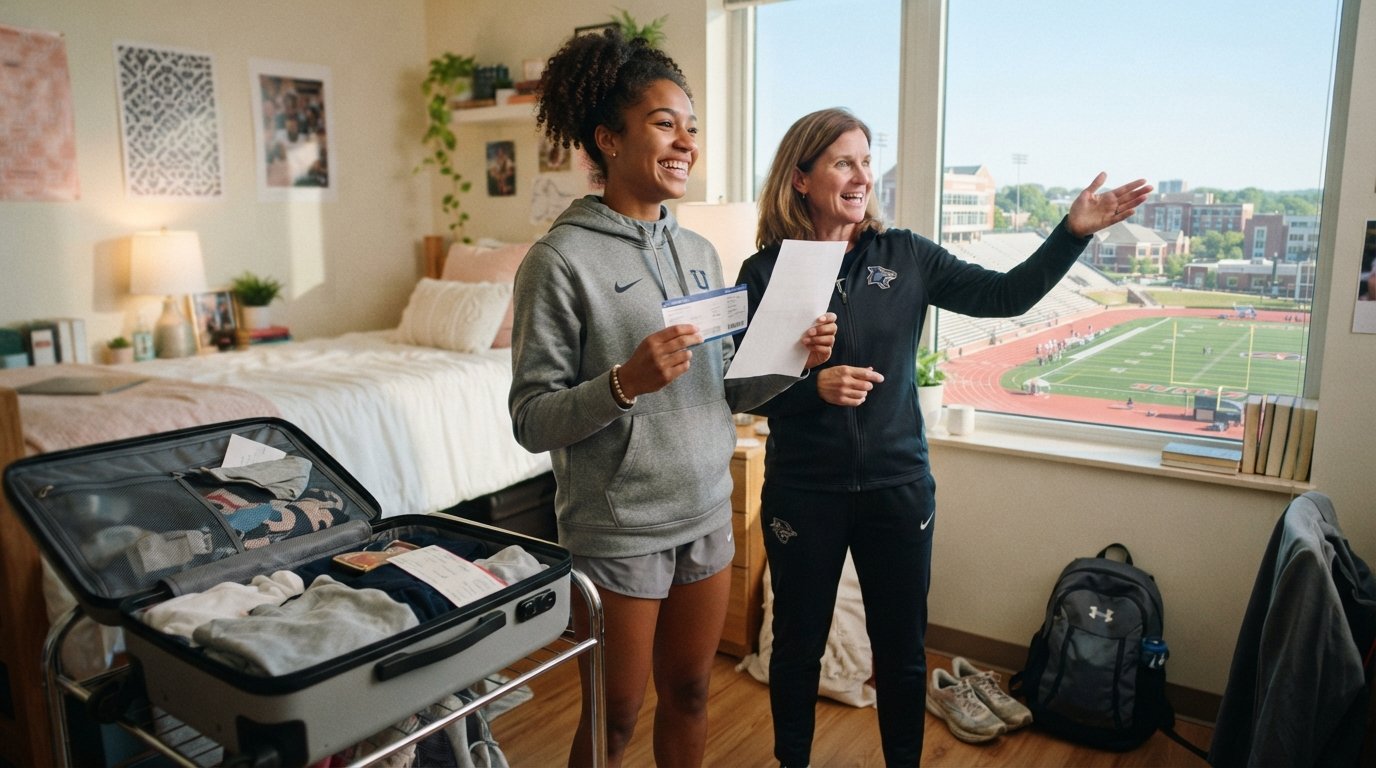
Athletic Scholarships Covering Flights and Accommodation Abroad
Athletic scholarships covering flights and accommodation abroad can cover major costs. Learn which sports and countries offer full packages and how to qualify.

Imagine opening an offer letter from a university overseas and discovering that your athletic scholarship covers not only tuition but also your flights and housing. That is the reality for thousands of international student-athletes every year, but the path to securing such a comprehensive award is neither automatic nor simple. Athletic scholarships covering flights and accommodation abroad are among the most valuable packages in international education, and understanding how they work, who qualifies, and how to navigate the recruiting process can save you tens of thousands of dollars and years of uncertainty. This guide breaks down the countries and sports most likely to offer all-inclusive awards, the eligibility standards you must meet, how to avoid predatory recruiting services, and the practical steps that follow once you sign.
Which Countries and Sports Package Travel and Housing in Athletic Offers
Not every athletic scholarship abroad includes flights and accommodation. The practice varies widely by country, sport, and institution. In the United States, NCAA Division I and II programs frequently offer full-ride packages that bundle tuition, room and board, books, and sometimes travel stipends, but flights for international athletes are often negotiated separately or covered through a team travel budget. NAIA schools, which operate under different rules, are often more flexible in structuring comprehensive packages for international recruits. If you want to understand the NAIA pathway in detail, the guide on NAIA athletic scholarships eligibility and application explains how smaller institutions use athletic awards to attract global talent.
In the United Kingdom, athletic scholarships are less formalized than in the US, but many universities offer sports scholarships that include accommodation discounts or free campus housing. Rowing, rugby, and cricket programs at British universities sometimes cover travel for competitions, though international flights are rarely included. Canada presents a mixed picture: U Sports programs may offer tuition waivers and on-campus housing, but flights are typically the athlete's responsibility. Australia and New Zealand are more generous in certain sports, particularly rowing, swimming, and rugby, where scholarships may include accommodation and domestic travel. In continental Europe, countries like Germany and France offer low-cost or free tuition, and athletic funding often comes through club partnerships rather than university scholarships.
The sports most likely to receive comprehensive packages are those with high revenue potential or strong institutional priority. American football, basketball, and gymnastics at US universities often come with full-ride offers. Soccer, tennis, and golf are also well-funded at many institutions. In the UK and Australia, rowing and rugby tend to attract the most robust support. Understanding which sports are prioritized at your target schools is essential before you invest time in the recruiting process.
Eligibility and Academic Requirements for International Athletic Recruits
Meeting athletic standards is only half the battle. International recruits must also satisfy academic eligibility requirements that vary by country and governing body. In the United States, the NCAA Eligibility Center evaluates your high school coursework and grades to determine whether you can compete at the Division I or II level. You must complete a specific set of core courses, maintain a minimum grade point average, and submit standardized test scores if required by the institution. The NAIA has its own eligibility center with slightly different criteria, often making it a more accessible route for international athletes who may not meet NCAA standards.
Beyond academics, you will need to demonstrate athletic proficiency through film, statistics, and verified competition results. Most coaches want to see game footage, highlight reels, and references from your current coaches. Language proficiency is another hurdle: universities in English-speaking countries typically require TOEFL or IELTS scores, though some athletic programs offer conditional admission with language support. In Canada and Australia, proof of English proficiency is mandatory for student visas, so plan to take these tests well in advance.
Here are the core eligibility components you should prepare:
- Academic transcripts evaluated by a recognized credential service (such as the NCAA Eligibility Center or NAIA).
- Standardized test scores (SAT, ACT, or equivalent) if required by the target institution.
- Proof of English language proficiency (TOEFL, IELTS, or Duolingo English Test).
- Athletic resume with verified statistics, competition history, and coach references.
- Video footage of recent competitions, ideally in match or game settings.
Each of these elements takes time to compile, and missing deadlines can derail your recruitment. Start the process at least 12 to 18 months before your intended enrollment date. Coaches begin evaluating prospects early, and scholarship budgets are often allocated months before the academic year begins.
Recruiting Services: How to Use Them and How to Avoid Scams
The recruiting industry is crowded with services promising to connect athletes with universities abroad. Some are legitimate and valuable; others are expensive scams that prey on families unfamiliar with the process. A reputable recruiting service will provide transparent pricing, verifiable success stories, and clear explanations of what they do and do not guarantee. They should never promise a scholarship in exchange for an upfront fee, and they should be willing to connect you with past clients.
Legitimate services typically offer profile creation, video editing, coach outreach, and guidance on eligibility. They may charge a one-time fee or a subscription, but they should not take a percentage of your scholarship. Be wary of any service that guarantees a full-ride or asks for payment before providing references. You can also pursue recruitment independently by building your own profile, contacting coaches directly, and using free resources like university athletics websites and scholarship databases.
When evaluating a recruiting service, ask these questions:
- Can you provide contact information for past clients who received scholarships?
- What is your refund policy if I do not receive an offer?
- Do you charge a percentage of my scholarship, or a flat fee?
- How many coaches will you contact on my behalf, and how do you track responses?
- Are you affiliated with any governing bodies or accredited by a recognized association?
If a service cannot answer these questions clearly, walk away. The best recruiting relationships are built on transparency and realistic expectations, not hype.
Visa and Compliance Steps After Accepting an Offer
Once you accept an athletic scholarship abroad, the clock starts ticking on visa and compliance requirements. In the United States, you will need a Form I-20 from your university to apply for an F-1 student visa. The process includes paying the SEVIS fee, completing the DS-160 application, and attending a visa interview at a US embassy or consulate. Athletic scholarships do not automatically guarantee visa approval; you must demonstrate financial capacity to cover any costs not included in your award, as well as ties to your home country.
In the UK, you will apply for a Student visa through the points-based system, which requires a Confirmation of Acceptance for Studies (CAS) from your institution. Canada requires a study permit, and Australia requires a student visa subclass 500. Each country has specific financial documentation requirements, and athletic scholarships covering flights and accommodation abroad may reduce the amount you need to show, but you must still provide evidence of funds for living expenses and return travel if not covered.
Compliance does not end with the visa. Once on campus, you must maintain your athletic eligibility by meeting academic progress requirements, adhering to amateurism rules, and complying with any restrictions on benefits or employment. Violations can result in loss of scholarship or competition eligibility, so read your scholarship agreement carefully and ask questions before signing.
Budgeting for Costs Your Athletic Award Leaves Uncovered
Even the most comprehensive athletic scholarships covering flights and accommodation abroad rarely cover every expense. You should budget for health insurance, which is mandatory in most countries and often not included in athletic packages. In the US, student health insurance can cost $1,500 to $3,000 per year. You will also need spending money for meals not covered by a meal plan, personal expenses, and travel during breaks. Some scholarships cover only one flight per year, so return trips home may be out of pocket.
Additional costs include visa application fees, SEVIS fees, medical examinations, and background checks. Equipment and apparel may be provided by the team, but personal gear and footwear often are not. If your scholarship includes on-campus housing, you may still need to pay for utilities, internet, or a housing deposit. Off-campus housing, if required, can be significantly more expensive and may not be covered at all.
To manage these costs, create a detailed budget before you commit. Include the following categories:
- Health insurance premiums and co-pays.
- Visa and immigration fees (SEVIS, DS-160, biometrics, etc.).
- Travel not covered by the scholarship (return flights, ground transportation).
- Personal expenses (phone plan, clothing, entertainment, groceries beyond meal plan).
- Emergency fund for unexpected medical or travel costs.
Many universities offer payment plans or emergency funds for international students, so ask your financial aid office about options. You can also explore external scholarships for international athletes, which may fill gaps in your funding. Platforms like CollegeDegree.Education can help you compare programs and understand the full cost of attendance before you commit.
Building a Realistic Recruitment Timeline
Securing an athletic scholarship abroad requires planning that begins long before you send your first email to a coach. A typical timeline spans 12 to 24 months. In the first six months, you should research countries, universities, and sports programs; compile your athletic footage and academic transcripts; and register with eligibility centers if required. Months six to twelve involve outreach to coaches, completing standardized tests, and gathering financial documentation for visa applications. The final six months are dedicated to official visits, offer negotiations, visa interviews, and pre-departure preparation.
Missing key deadlines can cost you a scholarship, so create a calendar with all relevant dates. Coaches often finalize their recruiting classes a year in advance, and visa processing can take several months. Starting early also gives you time to improve your academic profile or athletic performance if needed.
Remember that athletic scholarships covering flights and accommodation abroad are competitive. Coaches receive hundreds of inquiries from international athletes, and they prioritize prospects who demonstrate both athletic talent and academic readiness. A well-organized, professional approach sets you apart.
Final Thoughts on Securing Comprehensive Athletic Awards
Athletic scholarships covering flights and accommodation abroad can transform your educational and athletic career, but they require diligence, preparation, and realistic expectations. Start by identifying countries and sports where comprehensive packages are common, then build your eligibility profile and academic credentials. Use recruiting services cautiously, budget for uncovered costs, and stay on top of visa and compliance requirements. With the right approach, you can turn a scholarship offer into a life-changing opportunity without hidden financial surprises.