
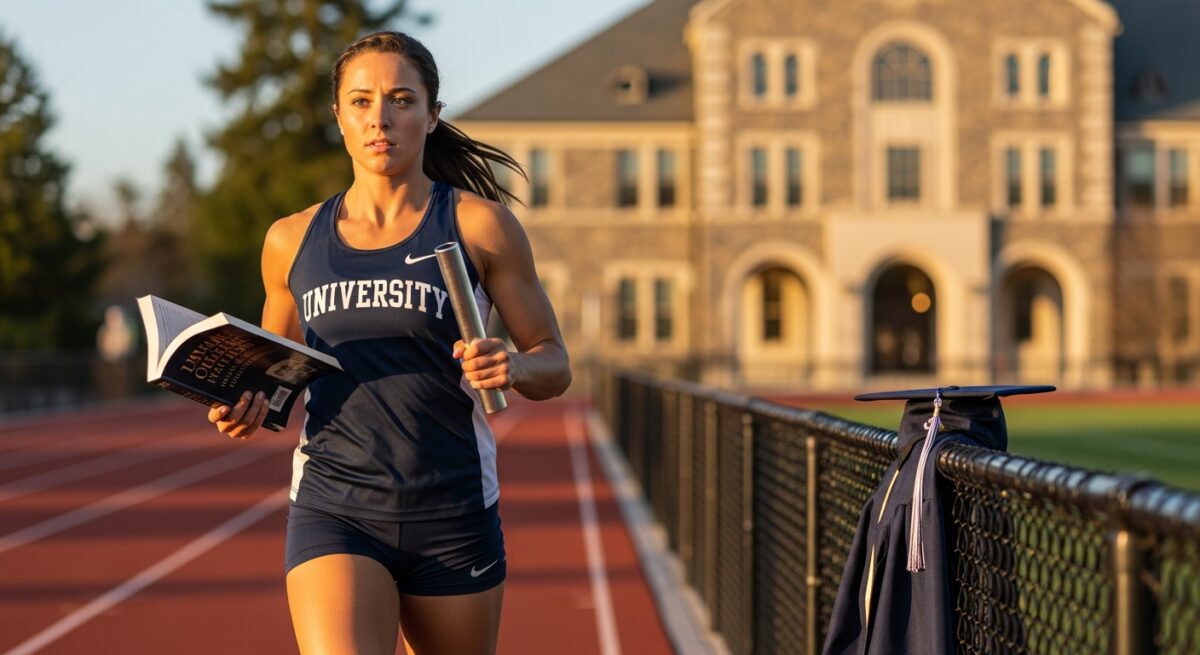
For generations, the dream of competing at the collegiate level while earning a degree has driven countless student-athletes and their families. While the path is demanding, it offers a unique and powerful opportunity: the chance to receive a world-class education financed largely or entirely through athletic talent. However, the world of college sports scholarships is often shrouded in misconceptions, complex terminology, and fierce competition. Understanding this system is not just about getting “a free ride,” it’s about navigating a recruitment process, comprehending the different types of aid available, and fulfilling the significant commitments required on and off the field. This guide will demystify the process, providing a clear roadmap from initial prospects to signing a National Letter of Intent.
The Fundamentals of Athletic Financial Aid
At its core, a sports scholarship is financial aid awarded by a college or university to a student based primarily on their athletic ability. It is a contractual agreement where the institution provides tuition, fees, room, board, and sometimes books in exchange for the student’s participation on a varsity team. The governing bodies for this system in the United States are primarily the National Collegiate Athletic Association (NCAA), the National Association of Intercollegiate Athletics (NAIA), and the National Junior College Athletic Association (NJCAA). Each organization has distinct rules governing scholarship limits, recruitment, and athlete eligibility. It’s crucial to understand that these scholarships are not gifts; they are performance-based agreements that require maintaining specific academic standards, adhering to team and conduct rules, and, of course, competing for the team. Renewal is typically annual, not guaranteed for four years.
The most critical distinction lies between “head count” and “equivalency” sports. Head count sports are those where scholarships must be awarded as full grants. If a coach offers you a spot, it is for a full scholarship. In NCAA Division I, these are football, men’s and women’s basketball, women’s gymnastics, tennis, and volleyball. Equivalency sports, which comprise most other NCAA sports, allow coaches to divide a pool of scholarship money among multiple athletes. A coach might have 9.9 scholarships to distribute across a 30-player baseball roster, leading to many athletes receiving partial scholarships. This means families must often combine athletic aid with academic scholarships, grants, and loans to cover the full cost of attendance, making a comprehensive student funding & tuition guide an invaluable resource for financial planning.
The Recruitment Journey and Eligibility Center
The road to a sports scholarship is a marathon, not a sprint, beginning as early as a student’s freshman year of high school. Proactive preparation is non-negotiable. The process involves several key stages: talent identification, communication with college coaches, official and unofficial visits, and ultimately, the offer and signing. Student-athletes must market themselves effectively by creating highlight videos, maintaining a strong athletic and academic resume, and attending camps or showcases where they can be seen by college scouts.
Parallel to athletic development is navigating the academic eligibility maze. For NCAA Division I and II schools, prospective athletes must register with the NCAA Eligibility Center. This involves submitting transcripts, SAT/ACT scores, and ensuring completion of a specific number of core courses in high school with a minimum GPA. The NAIA has its own eligibility center with different requirements. Falling short academically can render even the most talented athlete ineligible for competition, nullifying any scholarship offer. This underscores that the term “student-athlete” places the student first for a reason.
To streamline your approach, focus on these critical steps:
- Research: Identify realistic target schools that match your athletic level, academic interests, and financial needs. Consider all divisions (NCAA D1, D2, D3, NAIA, NJCAA).
- Initiate Contact: Don’t wait for coaches to find you. Send personalized emails to coaching staff with your athletic profile, stats, and video links.
- Document Everything: Keep meticulous records of all communications with coaches, visits, and offers.
- Understand the Offer: Is it a full or partial scholarship? Is it guaranteed for one year or multiple? What are the academic requirements for renewal?
For a broader perspective on funding strategies, our article on maximizing student aid scholarships offers complementary advice for piecing together a complete financial package.
Division I, II, III, and the NAIA Landscape
A common misconception is that the only valuable sports scholarships are at large NCAA Division I schools. The reality is that opportunities exist across a wide spectrum of collegiate athletics, each with its own model. NCAA Division I represents the highest level of competition and visibility, with the largest athletic budgets and the most stringent eligibility requirements. Scholarships here are often highly competitive but can be full-ride in head-count sports. Division II also offers athletic scholarships but typically at a lower financial level per athlete, emphasizing a balance between athletics, academics, and campus life.
A critical point of confusion is NCAA Division III. D3 schools do not offer athletic scholarships. However, they do provide need-based and merit-based financial aid, and many D3 coaches are adept at helping talented athletes secure significant academic grants that can make attendance affordable. The experience at a D3 school is intensely competitive but operates under a pure amateur model. The NAIA is another major player, comprising smaller colleges that often offer a more personalized athletic and academic experience. NAIA schools award scholarships and have their own national championships. Finally, junior colleges (NJCAA) serve as a vital pathway. They offer scholarships, allow athletes to develop their skills, improve academically, and then transfer to a four-year program, often with a new scholarship offer.
Key Considerations Beyond the Offer Letter
Securing a sports scholarship is a monumental achievement, but it marks the beginning of a demanding commitment. The time commitment for a college athlete is equivalent to a full-time job, with daily practices, film sessions, strength training, travel for competitions, and the games themselves. Balancing this with a full academic course load requires exceptional time-management skills and discipline. The pressure to perform is constant, as scholarships are typically reviewed annually. An injury, a drop in performance, or a coaching change can potentially affect a scholarship’s renewal, though ethical programs rarely pull scholarships for athletic performance alone.
Furthermore, the value of the scholarship must be scrutinized. Does it cover the full “cost of attendance,” which includes tuition, room, board, books, and personal expenses, or just tuition and fees? Many partial scholarships leave a gap that families must fill. It is also essential to consider the long-term fit: Is the academic program strong in your intended major? Will you be happy at this school even if your athletic career ends unexpectedly? The goal is to choose an institution where you can thrive as a person and a student, not just as an athlete.
When evaluating an offer, keep these critical questions in mind:
- What is the exact annual amount of the scholarship, and what costs does it cover?
- What are the specific GPA and course-completion requirements for renewal?
- What is the program’s policy on medical redshirts or scholarship protection following a major injury?
- What support services (tutoring, academic advising, career counseling) are available specifically for athletes?
Building a Winning Strategy
The journey to a sports scholarship is highly competitive and requires a strategic, multi-year plan. Start early by excelling academically; your grades and test scores open doors and make you a more attractive candidate to coaches who need players who will remain eligible. Be realistic in your self-assessment. Honestly evaluate your skill level against current collegiate athletes at various divisions. Attend camps and tournaments where you can get objective feedback from coaches and scouts. Utilize online recruiting platforms, but understand they are supplements to, not replacements for, direct outreach to coaching staffs.
Finally, cultivate a support team. This includes your high school or club coach, who can advocate for you, your family, and guidance counselors. Remember that you are entering a business negotiation. It is perfectly acceptable (and advisable) to ask clarifying questions about the scholarship terms and to communicate with multiple programs. The best fit is a program where your athletic contribution is valued, your academic goals are supported, and you feel at home on campus.
Navigating the world of sports scholarships is a complex endeavor that blends athletic prowess with academic diligence and strategic planning. By understanding the different governing bodies, the types of aid available, and the rigorous eligibility requirements, student-athletes can position themselves for success. The ultimate prize is not just the funding, but the opportunity to grow, compete, and earn an education that will serve you long after your final game. Approach the process with eyes wide open, focus on finding the right fit, and remember that the title of student-athlete is earned through continuous effort in both arenas.