
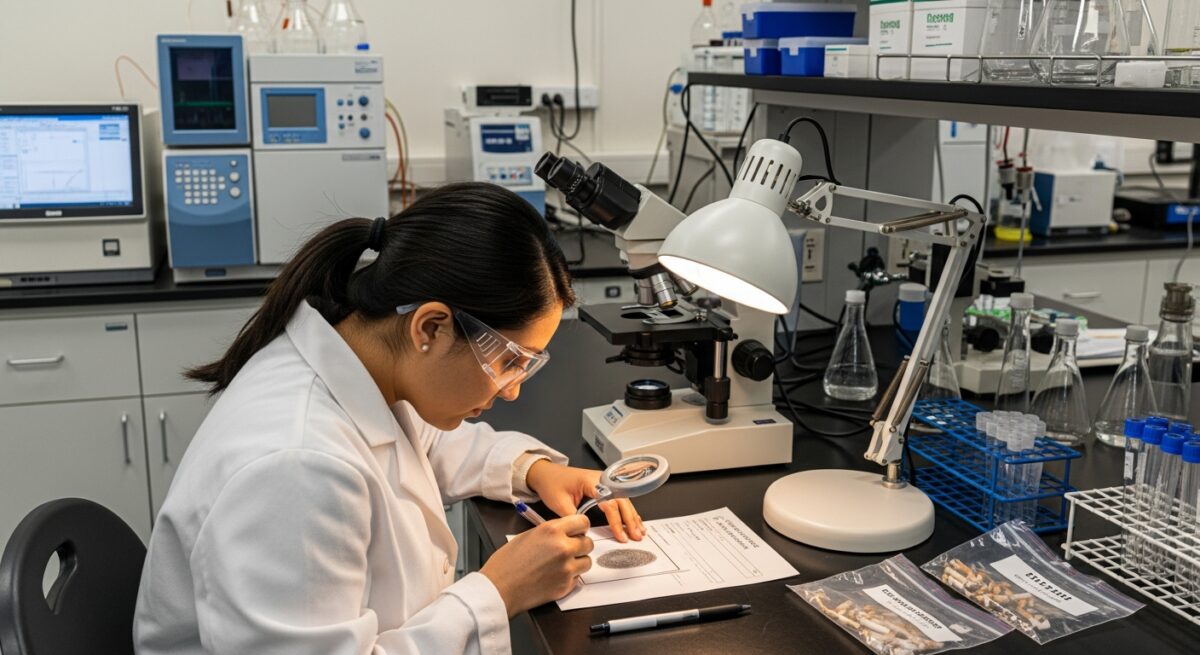
Forensic science is a field that blends scientific rigor with criminal investigation, offering a unique and rewarding career path. However, the cost of specialized education in this discipline can be a significant barrier. Students often face expensive lab fees, high tuition for specialized equipment, and the need for advanced degrees. Fortunately, a wide range of forensic science scholarships exist to help offset these costs, enabling talented individuals to pursue their passion without crippling debt. This article explores the landscape of funding opportunities, providing a clear roadmap for students who want to enter this competitive and fascinating profession.
Understanding where to find these funds is the first step. Many scholarships are offered by professional organizations, government agencies, and private foundations. They are designed to support students at various academic levels, from high school seniors entering a four-year program to graduate students conducting research. The key is to start early, apply strategically, and present a compelling application that highlights your commitment to forensic science. Below, we break down the major types of awards and how to maximize your chances of winning them.
Types of Forensic Science Scholarships Available
Forensic science scholarships are not one-size-fits-all. They vary by academic level, specialization, and applicant demographics. Some awards target undergraduate students pursuing a bachelor’s degree in forensic science or a related field like chemistry or biology. Others are reserved for graduate students working on a master’s or doctorate, often requiring a thesis or research project. Additionally, there are scholarships specifically for women, minorities, or students from underrepresented backgrounds, aiming to increase diversity in the forensic sciences.
Many of these awards are provided by professional bodies such as the American Academy of Forensic Sciences (AAFS) and the Forensic Science Foundation. These organizations offer multiple scholarships each year, with amounts ranging from $1,000 to $10,000 or more. Other sources include the American Society of Crime Laboratory Directors (ASCLD) and regional forensic science societies. It is also worth exploring awards from your university’s department of criminal justice or forensic studies, as many schools have internal funds that go unclaimed each year.
Scholarships from Professional Organizations
The most prestigious awards often come from national professional organizations. The AAFS, for example, offers the Forensic Sciences Foundation Scholarship, which supports full-time students in an accredited forensic science program. Applicants typically need to submit transcripts, letters of recommendation, and a personal statement explaining their career goals. These scholarships are highly competitive, but they also carry significant prestige and can open doors to networking opportunities.
Another notable source is the American Chemical Society (ACS), which offers scholarships for students pursuing chemistry-related forensic science degrees. Similarly, the American Board of Forensic Document Examiners provides targeted awards for those specializing in questioned documents. When applying for these, it is critical to tailor your application materials to the specific mission of the organization. Demonstrate how your work aligns with their values and how you plan to contribute to the field after graduation.
How to Find and Apply for Forensic Scholarships
Finding the right scholarships requires a systematic approach. Start by visiting the websites of major forensic science organizations. Many of them maintain updated lists of available awards, application deadlines, and eligibility criteria. Additionally, use aggregated scholarship databases like the one on Scholarship.Education, which can filter results by field of study and academic level. Do not overlook local sources: your state’s criminal justice association or even your local police department may offer small grants or scholarships for students entering the field.
Once you have identified potential awards, create a calendar of deadlines. Many scholarships have early spring deadlines, but some are rolling or due in the fall. Prepare your application materials well in advance. This typically includes a personal statement, a resume, academic transcripts, and at least two letters of recommendation. A strong personal statement should convey your passion for forensic science, your specific career aspirations, and any relevant experience (e.g., internships, lab work, or volunteer activities). Be authentic and specific: instead of saying you love science, describe a particular case study or lab experiment that solidified your interest.
For students who are also exploring broader financial aid options, it is wise to consider the intersection of forensic science and other STEM fields. Many scholarships for women in science or general STEM funding can be applied to forensic science programs. In our guide on Women in Science Scholarships and STEM Funding Guide, we explain how to leverage these broader opportunities to supplement your forensic-specific awards.
Key Eligibility Requirements to Consider
Before investing time in an application, carefully review the eligibility criteria. Most forensic science scholarships require you to be enrolled full-time in an accredited program. Some specify a minimum GPA, often 3.0 or higher. Others require U.S. citizenship or permanent residency, though some are open to international students studying in the United States. Additionally, many awards require you to be a member of the sponsoring organization, which may have a small membership fee.
Here are the most common requirements you will encounter:
- Enrollment in an accredited forensic science, chemistry, biology, or criminal justice program.
- A minimum cumulative GPA (typically 3.0 on a 4.0 scale).
- Submission of a personal statement or essay on a forensic science topic.
- Two or three letters of recommendation from professors or professional mentors.
- Proof of financial need (sometimes required, but not always).
Meeting these requirements is just the starting point. To stand out, you need to demonstrate a clear trajectory toward a career in forensic science. This can be achieved through relevant internships, research projects, or participation in student chapters of professional organizations. Even volunteer work at a local crime lab or with a legal aid society can bolster your application. Remember, scholarship committees are looking for future leaders in the field, so show them that you are already taking steps to build your expertise.

Top Forensic Science Scholarships to Apply For
While the list of available scholarships changes annually, several well-known awards consistently offer funding. The Forensic Sciences Foundation (FSF) Scholarship is one of the most recognized, offering up to $5,000 for undergraduate and graduate students. The AAFS also offers the Jan Bashinski Memorial Scholarship for students in a forensic science program. For those specializing in forensic pathology or toxicology, the National Institute of Justice (NIJ) offers research fellowships that include tuition support and a stipend.
Other notable awards include the ASCLD Scholarship, which supports students in forensic science or criminal justice with a focus on crime laboratory work. The International Association for Identification (IAI) offers scholarships for students pursuing careers in forensic identification and crime scene investigation. Additionally, many state-level forensic science foundations offer smaller awards that are less competitive. For example, the California Association of Criminalists provides scholarships to students attending California universities. It is always worth checking with your state’s professional forensic science organization.
When applying for these awards, pay close attention to the essay prompts. Many scholarships ask you to discuss a current challenge in forensic science or describe how you will contribute to the field. Use these prompts to showcase your critical thinking and knowledge of contemporary issues, such as the reliability of forensic evidence or the impact of DNA databases on privacy. A well-researched, thoughtful essay can make a strong impression on the selection committee.
Frequently Asked Questions
Can I apply for forensic science scholarships if I am a high school senior?
Yes, many scholarships are open to high school seniors who plan to enroll in a forensic science program at an accredited college or university. Look for awards specifically labeled for incoming freshmen.
Do I need to major in forensic science to qualify?
Not always. Some scholarships accept students in related fields such as chemistry, biology, or criminal justice, provided they have a clear focus on forensic applications. Check each award’s eligibility criteria carefully.
Are there scholarships for graduate students in forensic science?
Yes, many professional organizations offer separate awards for graduate students. These often require a research proposal or thesis abstract. The NIJ Graduate Research Fellowship is a prime example.
How competitive are these scholarships?
They can be very competitive, especially the national awards. However, local and state-level scholarships often have smaller applicant pools. Applying to a mix of national and local awards increases your chances of success.
Can international students apply for forensic science scholarships in the US?
Some scholarships are open to international students, but many require U.S. citizenship or permanent residency. International students should look for awards from global organizations or their home country’s government.
For additional guidance on managing the overall cost of your education, you can explore resources like collegeandtuition.com for broader financial planning tools and tuition comparison data.
Securing funding for your education requires persistence and a strategic approach. Start your search early, tailor each application to the specific award, and do not be discouraged by rejection. The investment in time and effort can pay off significantly, reducing your student loan burden and allowing you to focus on your studies. With the right preparation, you can find the financial support needed to launch a successful career in forensic science.