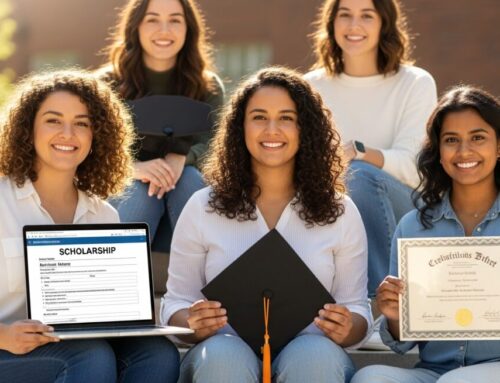

Psychology is one of the most popular undergraduate majors in the United States, yet many students worry about the cost of tuition, fees, and textbooks. The good news is that a wide range of scholarships for psychology majors exist to help reduce financial stress. Whether you are a high school senior planning to study human behavior or a graduate student pursuing a doctoral degree, dedicated funding opportunities can make your education more affordable. This article walks you through the best psychology scholarships, application strategies, and tips to stand out in a competitive pool of applicants.
Why Pursue Dedicated Funding for Psychology Students
Many students assume that merit-based aid is only for STEM or business fields. However, behavioral science programs have their own dedicated awards. Psychology scholarships are offered by professional associations, university departments, nonprofit organizations, and even private foundations. These awards recognize academic achievement, research potential, community involvement, and financial need. By applying for these targeted funds, you increase your chances of receiving money that does not require repayment.
Beyond reducing student debt, winning a psychology scholarship can enhance your resume. It signals to graduate schools and employers that you have been vetted by a reputable organization. Some awards also include mentorship opportunities, networking events, or conference travel stipends. For example, the American Psychological Association (APA) offers several grants and fellowships that connect students with leading researchers in the field. Exploring these options early in your academic career can open doors beyond the financial benefit.
Types of Scholarships for Psychology Majors
Scholarships for psychology majors fall into several broad categories. Understanding these categories helps you focus your search on the opportunities that best match your profile.
Merit-Based Awards
These awards are based on your GPA, standardized test scores, and academic rigor. Many university psychology departments offer their own merit scholarships to incoming freshmen or transfer students. For instance, the Psi Chi International Honor Society provides several undergraduate and graduate scholarships to members who demonstrate strong academic records. If you maintain a high GPA and take challenging coursework, you are a strong candidate for these awards.
Need-Based Grants
Need-based psychology scholarships consider your family’s financial situation. The Federal Pell Grant is a common example, but many private foundations also offer need-based aid specifically for social science students. Some scholarships require you to submit a FAFSA form to demonstrate eligibility. If cost is a primary concern, prioritize need-based awards because they often have less competitive applicant pools than merit-only programs.
Research and Thesis Grants
Graduate students and advanced undergraduates often need funding for research projects, lab equipment, or thesis completion. Organizations like the Society for Personality and Social Psychology (SPSP) offer small grants to support student-led research. These awards are typically competitive and require a detailed proposal. Winning a research grant not only covers expenses but also builds your academic portfolio.
Diversity and Inclusion Scholarships
Many psychology associations aim to increase representation in the field. Scholarships for psychology majors from underrepresented backgrounds are offered by groups such as the APA’s Office of Ethnic Minority Affairs. These awards may consider race, ethnicity, first-generation college status, or disability. If you belong to a historically marginalized group, seek out these opportunities as they often provide substantial financial support and professional development.
Top National Psychology Scholarships to Apply For
Below is a curated list of well-known scholarships that are open to psychology majors across the United States. Each award has specific eligibility criteria and deadlines.
- APA TOPSS Competition for High School Psychology Students: This annual essay contest awards cash prizes to high school students who write about a psychology topic. It is a great starting point for younger students.
- Psi Chi Undergraduate Scholarships: Psi Chi, the International Honor Society in Psychology, offers multiple scholarships ranging from $500 to $5,000 for active members with strong academic records.
- Society for the Psychological Study of Social Issues (SPSSI) Grants: SPSSI provides grants for undergraduate and graduate research on social issues. Awards typically range from $500 to $2,000.
- APF/COGDOP Graduate Research Scholarships: The American Psychological Foundation (APF) partners with the Council of Graduate Departments of Psychology to fund dissertation research. Awards can reach $5,000.
- National Board for Certified Counselors (NBCC) Foundation Scholarships: For students pursuing counseling or clinical psychology, NBCC offers scholarships up to $10,000 for minority and military-affiliated students.
These are just a few examples. Many state psychological associations also offer awards to residents. For instance, the California Psychological Association provides scholarships to students enrolled in California programs. Checking with your state’s psychological association can uncover hidden opportunities.
How to Find Local and Institutional Psychology Scholarships
National awards are competitive, but local and institutional scholarships often have smaller applicant pools. Start by visiting your university’s financial aid office or psychology department website. Many schools maintain a list of internal scholarships that are only available to their students. For example, a university might offer the “Dr. Jane Smith Memorial Scholarship” for junior psychology majors with a minimum 3.5 GPA. These awards may not appear in large databases, so direct inquiry is essential.
Community foundations and local nonprofits also fund scholarships for local students. Search for “[your city] psychology scholarship” or “[your county] education foundation” to find regional opportunities. High school guidance counselors are another excellent resource. They often have binders or digital lists of local scholarships that go unnoticed by the general public. Additionally, consider reaching out to psychology faculty members. Professors frequently hear about awards through their professional networks and can recommend you for department-nominated scholarships.
Application Tips to Stand Out
Winning a psychology scholarship requires more than just good grades. You need to craft a compelling narrative that connects your academic interests with your career goals. Here are actionable strategies to strengthen your applications.

First, tailor your personal statement to each scholarship. Explain why you chose psychology, what specific area fascinates you (e.g., cognitive neuroscience, clinical psychology, industrial-organizational psychology), and how the scholarship will help you achieve your goals. Avoid generic statements. Instead, mention a specific professor’s research you admire or a volunteer experience that shaped your interest. Committees want to see genuine passion and direction.
Second, gather strong letters of recommendation. Ask professors who know you well and can speak to your research skills, work ethic, or classroom contributions. Provide them with a copy of your resume and the scholarship criteria so they can write targeted letters. A letter that highlights your ability to analyze data or lead a study group is more impactful than a generic endorsement.
Third, pay attention to deadlines and submission requirements. Many scholarships require transcripts, essays, and a list of extracurricular activities. Create a checklist for each application to avoid missing a component. Submitting early can also work in your favor because some committees review applications on a rolling basis. Finally, proofread everything. A typo in your essay can create a negative impression. Ask a friend or writing center tutor to review your materials before you hit submit.
If you are also exploring ways to fund your education through broader financial aid strategies, our guide on College Funding for Idaho Residents: State Awards and Scholarships provides a helpful framework for identifying state-level opportunities that can supplement your psychology-specific awards.
Frequently Asked Questions
Can I apply for psychology scholarships if I am a freshman?
Yes. Many scholarships are open to first-year students. High school seniors can apply for awards like the APA TOPSS competition, and incoming college freshmen can apply for university-specific scholarships. Some awards require you to have completed a certain number of credits, so read eligibility carefully.
Do I need to be a psychology major to apply?
Most psychology-specific scholarships require you to be declared as a psychology major or have a demonstrated interest in the field. However, some general scholarships for social science students also accept psychology majors. Always check the eligibility criteria before applying.
How many psychology scholarships should I apply for?
Apply for as many as you qualify for, but focus on quality over quantity. Aim for 5 to 10 well-prepared applications rather than 20 rushed ones. Each application should be customized to the scholarship’s mission.
Are there scholarships for online psychology programs?
Yes. Many national scholarships do not distinguish between online and on-campus students. Additionally, some online universities offer their own scholarships for distance learners. Always check with your institution’s financial aid office.
What if I don’t win any scholarships?
Do not get discouraged. Scholarships are competitive, and rejection is common. Use the experience to improve your essays and seek feedback. You can also explore other forms of financial aid such as grants, work-study programs, or low-interest student loans. Persistence often pays off in subsequent application cycles.
For students who want to expand their search beyond psychology-specific awards, consider exploring resources like CollegeDegrees.school, which provides information on degree programs and financial aid options that can complement your scholarship search.
Finding scholarships for psychology majors requires effort and organization, but the payoff can be significant. By targeting both national and local awards, tailoring your applications, and leveraging your academic network, you can secure funding that reduces your out-of-pocket costs. Start your search early, stay consistent, and remember that every application is a step toward a more affordable education. The field of psychology needs passionate students like you, and financial barriers should not stand in the way of your success.