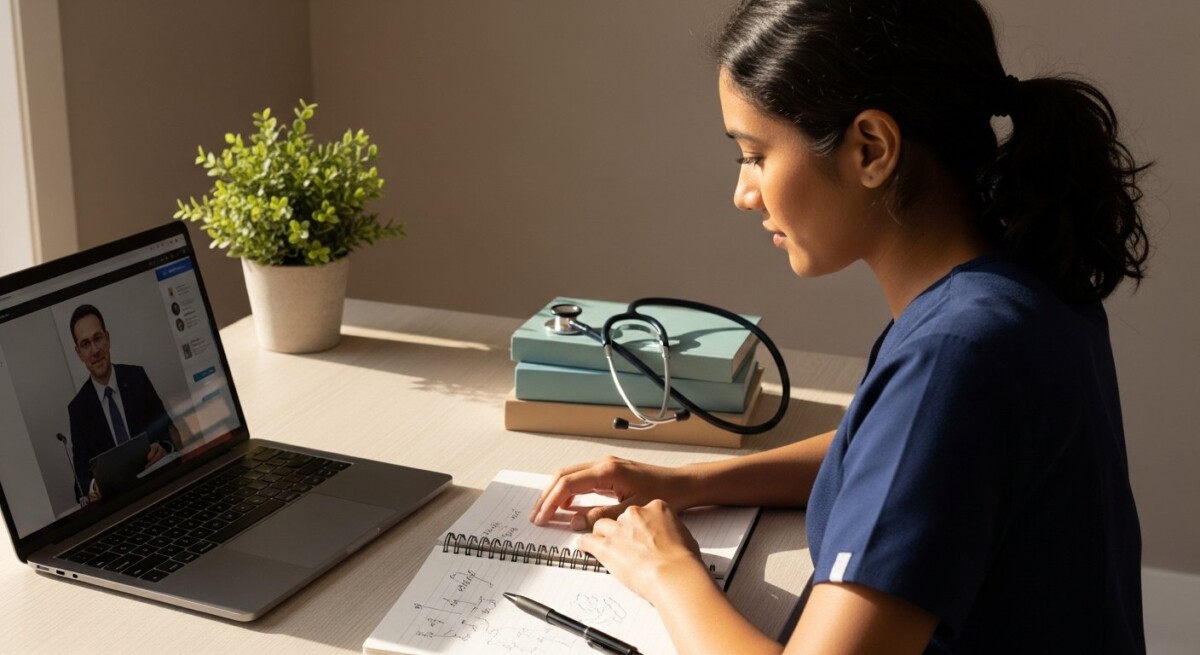
Balancing clinical rotations, family obligations, and a demanding career path is a reality for many aspiring nurses. If you have been searching for a flexible yet rigorous educational pathway, the phrase accredited online nursing programs near me likely represents more than just a search query. It signals a desire to advance your career without uprooting your life. The good news is that the landscape of nursing education has transformed dramatically. Top-tier institutions now offer fully online coursework that meets the same stringent accreditation standards as their on-campus counterparts. This article will serve as your roadmap, helping you identify legitimate programs, understand the financial aid landscape, and take the first confident step toward a rewarding healthcare career.
Why Accreditation Matters for Your Nursing Degree
Accreditation is the gold standard that separates a credible degree from a diploma mill. When a program is accredited by a recognized body like the Commission on Collegiate Nursing Education (CCNE) or the Accreditation Commission for Education in Nursing (ACEN), it means the curriculum, faculty, and student outcomes have been rigorously evaluated. This approval is not optional. Without it, you cannot sit for the NCLEX-RN or NCLEX-PN licensure exam, and your credits may not transfer to other institutions. Furthermore, many employers and graduate schools require a degree from an accredited program. When evaluating accredited online nursing programs near me, always verify the accrediting agency on the program’s website or through the U.S. Department of Education’s database. This single step protects your investment of time and money.
Types of Online Nursing Programs Available
Understanding the different degree levels is crucial because each serves a distinct career goal. You may be a high school graduate looking to enter the field quickly, or a current RN seeking a Bachelor of Science in Nursing (BSN) to open doors to leadership roles. The most common online pathways include the following.
Licensed Practical Nurse (LPN/LVN) to RN Bridge Programs
For current LPNs or Licensed Vocational Nurses (LVNs), bridge programs allow you to leverage your existing clinical experience to earn an Associate Degree in Nursing (ADN) or BSN faster. These programs typically require some on-site clinical hours but deliver didactic coursework online. They are ideal if you are already working in a healthcare setting and want to advance your scope of practice without starting from scratch.
RN to BSN Completion Programs
This is one of the most popular online nursing pathways. Designed for registered nurses who hold an ADN or diploma, RN-to-BSN programs focus on community health, nursing leadership, research, and evidence-based practice. Most programs can be completed in 12 to 24 months of part-time study. Because you already hold an active RN license, clinical requirements are often minimal or can be completed at your current workplace. This flexibility makes it a top choice for working nurses.
Master of Science in Nursing (MSN) and Doctoral Programs
For nurses seeking advanced practice roles such as Nurse Practitioner (NP), Clinical Nurse Specialist (CNS), or Nurse Educator, online MSN and Doctor of Nursing Practice (DNP) programs offer unparalleled flexibility. These graduate-level programs do require intensive clinical residencies arranged near your home, but the classroom component is entirely online. They prepare you for certification and leadership in specialized fields like family practice, psychiatry, or administration.
How to Choose the Right Program Near You
Selecting a program involves more than just comparing tuition rates. You need a program that fits your lifestyle, learning style, and career ambitions. Start by mapping out your daily schedule. Do you have two hours free in the evening, or can you dedicate full days on weekends? Some programs offer synchronous classes that meet at set times, while others are entirely self-paced. Next, consider clinical placement support. The best programs have dedicated clinical coordinators who help you find preceptors and sites in your local community. Finally, examine the faculty. Are they practicing clinicians with real-world experience? Faculty expertise directly impacts the quality of your education and networking opportunities. For a deeper dive into state-specific options, check out our guide on Best Accredited Online Nursing Programs in Texas for 2026 for detailed insights on program quality and costs.
Financial Aid and Scholarship Opportunities
Cost should never be the sole barrier to advancing your nursing career. Many students finance their education through a combination of federal aid, employer tuition reimbursement, and scholarships. Start by completing the Free Application for Federal Student Aid (FAFSA) to determine your eligibility for grants and low-interest loans. Hospitals and healthcare systems often offer tuition assistance to employees pursuing a BSN or MSN, especially because research shows higher education levels improve patient outcomes. Additionally, there are numerous scholarships specifically for nursing students. Professional organizations like the American Association of Colleges of Nursing (AACN) and the National League for Nursing (NLN) maintain scholarship databases. You can also find comprehensive scholarship listings and financial aid guides at CollegeDegree.Education, a resource dedicated to helping students fund their academic goals without excessive debt.
Scholarships can significantly reduce your out-of-pocket costs. Look for awards based on academic merit, financial need, or specific demographics such as minority students or those pursuing a particular specialty like critical care or pediatrics. Apply early and carefully follow each application’s instructions to maximize your chances of receiving funding.

Essential Features of a Quality Online Nursing Program
When researching programs, look for these key indicators of quality. They will help you distinguish between a robust educational experience and a minimal-effort program.
- Accreditation status: Verify CCNE, ACEN, or CNEA accreditation. This is non-negotiable for licensure and credit transfer.
- NCLEX pass rates: High first-time pass rates (above 85 percent) indicate strong curriculum and student support.
- Clinical placement assistance: The program should actively help you find clinical sites and preceptors in your area.
- Student support services: Look for 24/7 technical support, academic advising, tutoring, and career counseling.
- Flexible pacing: Options for part-time or accelerated tracks allow you to balance school with work and family.
Programs that excel in these areas tend to produce graduates who are well-prepared for both the NCLEX and the realities of modern healthcare. Do not hesitate to ask admission advisors specific questions about these features during your research. A transparent program will gladly share this information.
Frequently Asked Questions
Can I become a registered nurse completely online?
No. While the didactic coursework can be completed online, all nursing programs require in-person clinical hours at approved healthcare facilities. These hands-on experiences are essential for developing patient care skills. However, many programs allow you to complete clinical hours at a hospital or clinic near your home.
How do I verify a program’s accreditation?
Visit the U.S. Department of Education’s Database of Accredited Postsecondary Institutions and Programs. You can search by school name or accrediting agency. Legitimate programs also display their accreditation status prominently on their website.
Are online nursing degrees respected by employers?
Yes, provided the program is properly accredited. Employers care more about your licensure, clinical experience, and the reputation of the institution than whether you attended classes in person or online. Many prestigious universities now offer online nursing degrees.
How long does it take to complete an online nursing program?
An RN-to-BSN typically takes 12 to 24 months. An MSN can take 2 to 3 years depending on specialization and enrollment status. Accelerated options are available for students who can commit to full-time study.
What if I cannot find clinical sites near me?
Contact the program’s clinical placement coordinator before enrolling. Some programs have partnerships with healthcare systems across multiple states and can assist with placement. Others require you to find your own preceptor. Clarify this upfront.
Finding the right accredited online nursing programs near me requires careful research, but the effort pays off with a flexible, high-quality education that fits your life. Use the resources mentioned here, verify accreditation, explore financial aid options, and connect with admission counselors. Your future in nursing starts with an informed decision today.