
Music Teacher Education Bachelor's at Adelphi: 4-Year Guide
Explore the Music Teacher Education Bachelor's degree, usually 4 years In-person at Adelphi University, and learn how to plan, apply, and fund your path to teaching music.

By Harper Davis
Choosing a music education program is one of the most consequential decisions a future educator can make. The degree you earn will shape your classroom skills, your certification pathway, and your long-term career trajectory. A Music Teacher Education Bachelor's degree, usually 4 years In-person at Adelphi University, stands out as a structured, immersive pathway for students who want to teach music in K-12 schools. Adelphi University, located in Garden City, New York, offers a program that blends rigorous musicianship with practical pedagogy, and it does so through face-to-face instruction that many aspiring teachers find invaluable. This guide explores what the program involves, how to prepare for it, what it costs, and how to fund it through scholarships, grants, and financial aid.
Why an In-Person Music Education Degree Matters
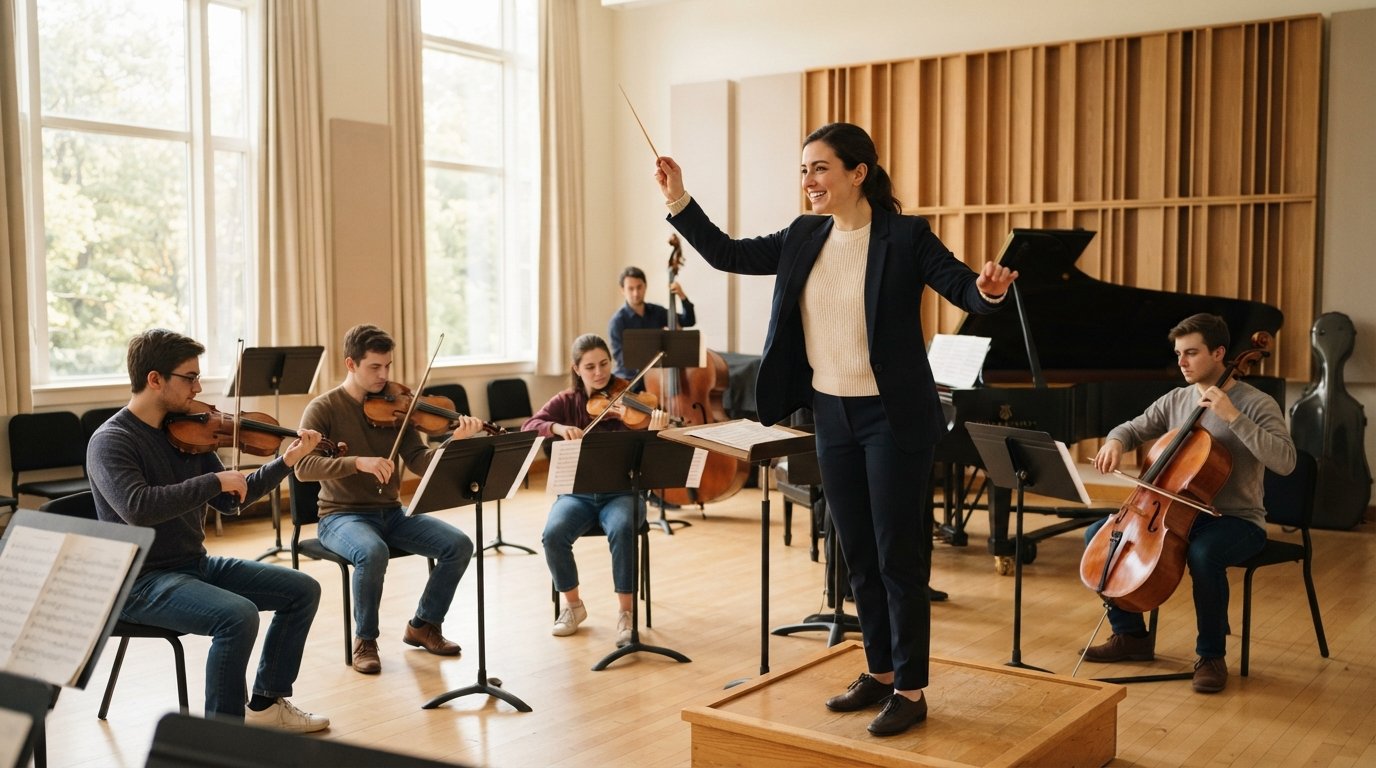
Music is a performance art, and teaching music is a live, interactive craft. Online programs can deliver theory and history effectively, but they struggle to replicate the immediacy of a conductor's gesture, the nuance of a one-on-one lesson, or the energy of an ensemble rehearsal. That is why the in-person format of the Music Teacher Education Bachelor's degree, usually 4 years In-person at Adelphi University, is a significant advantage. Students learn in practice rooms, recital halls, and classrooms where feedback is immediate and mentorship is personal.
At Adelphi, students work directly with faculty who are active performers and experienced educators. They participate in ensembles, take private lessons, and complete field experiences in real schools. This hands-on model helps future teachers build the confidence and reflexes they need before they ever step in front of a class of their own. For students weighing online versus in-person options, the difference often comes down to how much supervised, real-time practice the program provides.
In-person study also fosters the professional networks that matter in education. Student teaching placements, peer collaborations, and faculty recommendations all carry more weight when they come from face-to-face relationships. For a field built on communication and community, that matters.
What the Adelphi Music Education Program Covers
The Music Teacher Education Bachelor's degree, usually 4 years In-person at Adelphi University, is designed to prepare students for New York State initial certification in music education. The curriculum typically combines three strands: music core courses, education coursework, and liberal arts requirements. Students develop proficiency in their primary instrument or voice while also building skills in piano, conducting, and music technology.
Education courses introduce learning theory, classroom management, curriculum design, and assessment strategies. Field observations and student teaching placements give students supervised experience in elementary and secondary school settings. By graduation, students should have a portfolio of teaching experiences and a clear understanding of how to plan and deliver music instruction across grade levels.
Adelphi's location on Long Island provides access to a wide range of school districts for field placements, from urban to suburban settings. That variety can help students discover which teaching environment suits them best. The program also emphasizes inclusive teaching practices, preparing candidates to work with students of diverse backgrounds and abilities.
Typical Courses and Experiences
While specific course titles vary, students in a music education bachelor's program can expect a mix of the following:
- Music theory, ear training, and music history sequences
- Applied lessons on a primary instrument or voice
- Conducting and ensemble participation
- Foundations of education and educational psychology
- Methods courses for teaching general music, band, orchestra, or chorus
- Field observations and student teaching seminars
These experiences build toward the culminating student teaching semester, where candidates take on increasing responsibility in a real classroom under the guidance of a cooperating teacher and a university supervisor. That transition from student to teacher is often the most transformative part of the degree.
Admission Requirements and Preparation
Prospective students should plan early for the application process. Most music education programs require an audition in addition to the standard university application. At Adelphi, applicants typically submit an application, transcripts, standardized test scores (if applicable), and complete an audition on their primary instrument or voice. Some programs also include an interview or a musicianship assessment.
High school students can strengthen their candidacy by participating in school ensembles, taking private lessons, and gaining any teaching or tutoring experience available. Leadership roles in marching band, choir, or orchestra demonstrate both musicianship and the organizational skills that teaching demands.
It also helps to research financial aid early. Families should complete the FAFSA as soon as possible after it opens and explore both institutional and external scholarships. Resources like a teacher education scholarships guide can help students identify awards designed specifically for future educators.
Costs, Financial Aid, and Funding Strategies
Tuition at a private university like Adelphi is a real consideration for many families. The total cost of attendance includes tuition, fees, room and board, books, and personal expenses. However, the sticker price is rarely the final price. Merit scholarships, need-based aid, state grants, and federal aid can significantly reduce out-of-pocket costs.
New York State residents may qualify for the Tuition Assistance Program (TAP) in addition to federal aid. Students should also investigate the New York State Master Teacher Program and other state-level incentives for future educators. Adelphi itself offers merit-based scholarships to incoming students, and the music department may have additional awards for talented performers.
To manage costs effectively, students and families can follow a simple funding framework:
- Complete the FAFSA and any state aid applications by the priority deadline.
- Apply for university merit scholarships and departmental awards.
- Search external scholarships for education majors and music students.
- Consider federal work-study or part-time employment in music-related roles.
- Review loan options carefully and borrow only what is necessary.
Students who want a broader overview of college costs and aid options can explore resources like CollegeAndTuition, which provides guidance on navigating higher education expenses. Combining institutional aid with external scholarships is often the most effective way to keep debt manageable.
It is also wise to ask the financial aid office about payment plans and whether scholarships are renewable. Some awards require maintaining a certain GPA or participating in ensemble activities, so understanding the terms upfront prevents surprises later.
Career Outcomes and Certification
Graduates of the Music Teacher Education Bachelor's degree, usually 4 years In-person at Adelphi University, are prepared for initial certification as music teachers in New York State. Certification requirements include completing an approved teacher preparation program, passing required exams, and meeting any additional state-specific criteria. Once certified, graduates can pursue teaching positions in public and private schools, as well as community music programs.
Career paths for music education graduates include elementary general music teacher, secondary choral or instrumental director, private studio instructor, and community arts educator. Some graduates continue to graduate study in music education, performance, or conducting. Others move into arts administration or educational consulting.
Job prospects for music teachers vary by region and subject area. Districts with strong arts programs often seek certified music educators, and demand can be particularly strong for teachers who can lead multiple ensembles or teach multiple instruments. Building a versatile skill set during the degree can improve employability.
Comparing In-Person and Online Options
While the Adelphi program is designed for in-person study, some students may wonder whether an online music education degree could work for them. Online programs can be convenient for non-traditional students or those with family and work obligations. However, music education has a strong performance and practicum component that is difficult to replicate remotely.
Students considering online options should verify accreditation, check whether the program leads to certification in their state, and confirm how field placements and ensembles are handled. For many aspiring music teachers, the in-person experience remains the stronger choice because it provides consistent access to faculty mentorship, ensemble participation, and supervised classroom practice.
For students exploring online degree programs in education or related fields, Scholarship.Education offers listings of sponsored programs and colleges. Readers should note that Scholarship.Education receives compensation from some listed schools through advertising, links, and search placement, which may influence how programs appear and rank. This compensation does not guarantee enrollment or job placement, and information is provided for general reference only.
Making the Most of the Four Years
Four years may sound like a long time, but music education students often find the schedule full. Between lessons, ensembles, education courses, and field experiences, time management becomes a critical skill. Students who plan their semesters carefully can avoid overload and make room for the experiences that matter most.
One strategy is to get involved early. Joining ensembles in the first year builds relationships with faculty and peers. Seeking out observation hours or volunteer teaching opportunities can clarify career goals. Students should also maintain a professional portfolio of lesson plans, recordings, and teaching reflections, which will be useful when applying for certification and jobs.
Another strategy is to build financial literacy alongside musical skill. Understanding how scholarships, grants, and loans work helps students make informed decisions and avoid unnecessary debt. Advisors and financial aid counselors can help students interpret award letters and plan for each year's costs.
Final Thoughts
The Music Teacher Education Bachelor's degree, usually 4 years In-person at Adelphi University, offers a rigorous and immersive path for students who want to teach music. Its combination of performance study, pedagogy coursework, and supervised field experience prepares graduates for certification and for the realities of the classroom. By planning early for admission, auditions, and financial aid, students can focus on what matters most: becoming skilled musicians and effective teachers. With the right preparation and funding strategy, a career in music education is within reach.