
Engineering General Bachelor's at Fresno State: 4-Year Guide
Earn a flexible Engineering, General Bachelor's degree, usually 4 years In-person at California State University-Fresno and build a versatile technical career.

By Harper Davis
Choosing an engineering path is exciting, but the number of specialties can feel overwhelming. What if you want a broad foundation before committing to a specific discipline? The Engineering, General Bachelor's degree, usually 4 years In-person at California State University-Fresno offers exactly that: a flexible, hands-on program that lets you explore multiple areas of engineering while building a strong technical base. Located in the heart of California's Central Valley, Fresno State combines accessible tuition, dedicated faculty, and strong industry ties to help you launch a career or pursue graduate study. In this guide, we will walk through the program structure, admission requirements, costs, financial aid options, and career outcomes so you can decide if this degree is right for you.
What Is a General Engineering Bachelor's Degree?
A general engineering degree differs from specialized programs like mechanical, civil, or electrical engineering. Instead of diving deep into one subfield from day one, you study core engineering principles across multiple areas. This interdisciplinary approach builds versatility: you learn problem-solving, design thinking, and systems analysis that apply to many industries. At Fresno State, the Engineering, General Bachelor's degree, usually 4 years In-person at California State University-Fresno is housed in the Lyles College of Engineering, which emphasizes hands-on learning and community engagement.
The program is ideal if you are undecided about a specific engineering branch, want to combine fields (for example, mechanical and industrial), or plan to pursue a multidisciplinary career such as project engineering or engineering management. Because you take courses in several departments, you gain a broader perspective than a single-discipline degree might offer. That flexibility can be a major advantage in today's rapidly changing job market, where employers value adaptable thinkers who can communicate across technical teams.
Fresno State's version of this degree also integrates local industry needs. The Central Valley is home to agriculture, manufacturing, water management, and energy sectors, all of which rely on engineers who understand complex systems. Faculty often bring real-world experience into the classroom, and many courses include projects with community partners. This means your education goes beyond textbooks: you apply what you learn to actual problems, building a portfolio that impresses employers and graduate schools alike.
Program Structure and Curriculum
The Engineering, General Bachelor's degree, usually 4 years In-person at California State University-Fresno requires about 120 semester units. The first two years focus on foundational math and science: calculus, physics, chemistry, and introductory engineering courses. You will also complete general education requirements in humanities, social sciences, and communication, which help you develop the soft skills employers demand. In your junior and senior years, you choose technical electives from various engineering departments, allowing you to tailor the degree to your interests.
Here is a typical sequence you might follow:
- Year 1: Calculus I and II, General Chemistry, Physics I, Introduction to Engineering, English composition, and general education courses.
- Year 2: Calculus III, Differential Equations, Physics II, Statics, Dynamics, and introductory programming or electrical circuits.
- Year 3: Thermodynamics, Materials Science, Engineering Economics, and technical electives (e.g., mechanical design, environmental engineering, or computer-aided design).
- Year 4: Capstone design project, advanced technical electives, and remaining general education or elective credits.
This structure ensures you build a solid base before specializing. The capstone project is a highlight: you work in a team to solve an open-ended problem, often sponsored by a local company or public agency. Past projects have included designing water filtration systems, optimizing manufacturing processes, and developing renewable energy solutions. This experience is invaluable for job interviews and graduate school applications.
One of the strengths of the general engineering option is the ability to customize your upper-division coursework. For example, if you are interested in robotics, you can take electives in mechanical and electrical engineering. If you lean toward construction management, you can select courses in civil engineering and project management. Advisors help you plan a coherent set of electives that align with your career goals. This flexibility is rare among engineering programs and makes the Fresno State degree particularly attractive to students with diverse interests.
Admission Requirements and Application Process
Admission to Fresno State as a first-time freshman is based on the California State University (CSU) eligibility index, which combines your high school GPA and ACT/SAT scores (though the CSU system has temporarily suspended standardized testing requirements for many applicants). You must complete the A-G course requirements, including four years of English, three years of math (through Algebra II), two years of laboratory science, and other subjects. For engineering, strong performance in math and science is especially important. The Engineering, General Bachelor's degree, usually 4 years In-person at California State University-Fresno does not have additional admission hurdles beyond general university requirements, but a solid math background is essential to succeed in the calculus sequence.
Transfer students from California community colleges are encouraged to apply. Fresno State has articulation agreements with many community colleges, so you can complete lower-division requirements and transfer with junior standing. The Associate Degree for Transfer (ADT) in engineering or a related field can streamline the process. If you are a transfer student, make sure to meet with an advisor early to ensure your courses align with the engineering curriculum.
Application deadlines follow the CSU system: typically November 30 for fall admission and August 31 for spring admission. You can apply online through Cal State Apply. The application requires transcripts, a fee, and possibly supplemental information. Because engineering programs can be impacted, it is wise to apply early and have a backup plan. Fresno State's admissions office provides resources and workshops to help you navigate the process. Once admitted, you will attend orientation and meet with an academic advisor to plan your first semester.
Costs, Financial Aid, and Scholarships
As a public university, Fresno State offers relatively affordable tuition compared to private engineering schools. For California residents, undergraduate tuition and fees are approximately $7,000 to $8,000 per year, while non-residents pay higher rates. Living costs, books, and supplies add to the total, but the overall cost is still competitive. Financial aid can significantly reduce your out-of-pocket expenses. To apply, complete the Free Application for Federal Student Aid (FAFSA) or the California Dream Act Application (for eligible undocumented students). Fresno State's financial aid office can help you understand grants, loans, and work-study options.
Beyond federal and state aid, many scholarships are available specifically for engineering students. The Lyles College of Engineering awards scholarships based on merit, need, and diversity. Local organizations, professional societies (such as the Society of Women Engineers or the National Society of Black Engineers), and industry partners also offer funding. For a broader overview of state-funded opportunities, see your guide to California State-Funded Scholarships. This resource can help you identify additional awards you may qualify for.
Here are some practical steps to maximize your financial aid:
- Submit the FAFSA as early as possible (it opens in October for the following academic year).
- Search for scholarships using databases like Scholarship.Education, which aggregates opportunities and deadlines.
- Apply for local scholarships through Fresno State's scholarship portal and community foundations.
- Consider part-time work or internships that provide income and experience.
- Meet with a financial aid advisor to review your package and explore appeals if needed.
For students and families who want to understand college costs more deeply, CollegeAndTuition provides helpful resources on financial aid and planning. Planning ahead can reduce stress and help you graduate with less debt. Remember that many scholarships require essays and recommendation letters, so start your search early and keep a calendar of deadlines.
Hands-On Learning and Internship Opportunities
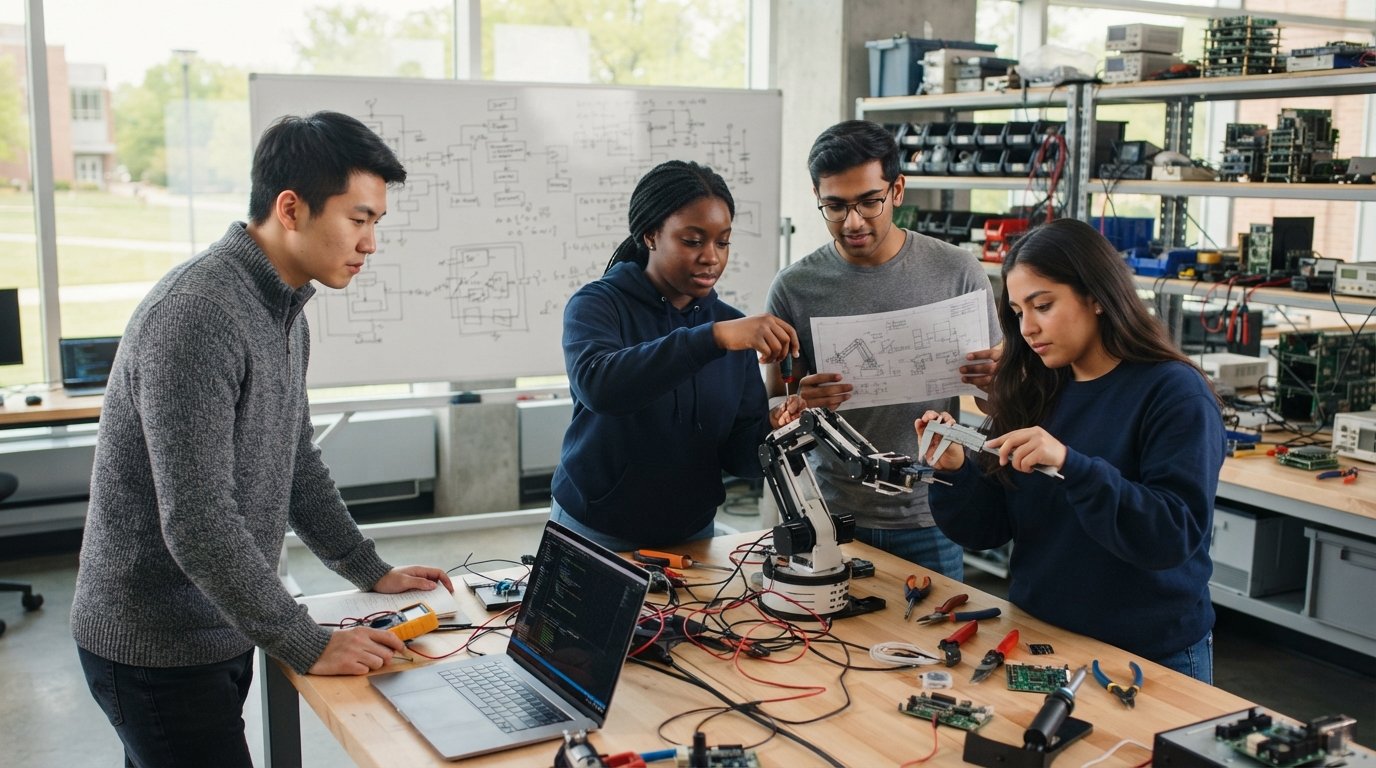
Fresno State emphasizes experiential learning. The Engineering, General Bachelor's degree, usually 4 years In-person at California State University-Fresno includes laboratory courses, design projects, and opportunities for undergraduate research. The Lyles College of Engineering has modern facilities, including a makerspace, robotics lab, and materials testing lab. Students can join clubs like the American Society of Mechanical Engineers (ASME) or the Institute of Electrical and Electronics Engineers (IEEE), which host competitions and networking events.
Internships are a key part of the program. Many students complete summer internships with companies in the Central Valley and beyond, such as Pelco, Grundfos, and the California Department of Transportation (Caltrans). The engineering career services office helps students find internships and co-ops, and job fairs connect you with recruiters. These experiences often lead to full-time offers after graduation. If you are interested in research, you can work with faculty on funded projects, sometimes earning course credit or a stipend.
Community engagement is another hallmark of the program. Engineering students participate in service-learning projects, such as designing assistive devices for people with disabilities or improving infrastructure in rural areas. These projects not only benefit the community but also strengthen your resume by demonstrating social responsibility and teamwork. Employers value candidates who can apply technical skills to real-world challenges, and Fresno State's emphasis on hands-on learning gives you plenty of stories to share in interviews.
Career Outcomes and Salary Potential
Graduates with a general engineering degree from Fresno State pursue diverse careers. Some work as project engineers, manufacturing engineers, or systems analysts. Others go into technical sales, consulting, or management. Because the degree is broad, you can adapt to industries such as agriculture, energy, construction, aerospace, and software. The Central Valley's growing economy offers many opportunities, and Fresno State's alumni network is active in local companies and public agencies.
According to the Bureau of Labor Statistics, engineers in California earn competitive salaries. For example, mechanical engineers median annual wage is around $90,000, while industrial engineers earn about $95,000. Your specific salary will depend on your chosen field, experience, and location. The general engineering degree gives you the flexibility to pivot between specialties as your career evolves. Many graduates also pursue professional engineering (PE) licensure, which requires additional exams and work experience but can lead to higher salaries and leadership roles.
If you are considering graduate school, the broad background of the general engineering program prepares you well for a master's in engineering management, systems engineering, or a specialized field. Fresno State offers a Master of Science in Engineering with options in civil, mechanical, and electrical engineering, so you can continue your studies close to home. Faculty mentors can guide you through the application process and connect you with research opportunities.
Is the Program Right for You?
The Engineering, General Bachelor's degree, usually 4 years In-person at California State University-Fresno suits students who want a flexible, hands-on education without committing to a narrow specialty. If you enjoy solving problems, working in teams, and learning across disciplines, this program could be a great fit. It is also a smart choice if you plan to work in a region with diverse industries, as the generalist approach prepares you for a range of roles. However, if you already know you want to be, say, a civil engineer, a specialized degree might be more direct. Consider your goals and speak with an advisor to make an informed decision.
Fresno State's supportive environment, affordable tuition, and strong industry connections make it an attractive option for many students. The in-person format fosters collaboration and networking, which are vital in engineering. You will build relationships with professors and peers that last beyond graduation. The program's emphasis on real-world projects ensures you graduate with a portfolio of work, not just a transcript. Whether you aim to enter the workforce immediately or pursue advanced study, the general engineering degree provides a solid foundation.
To learn more about the program, visit the Lyles College of Engineering website or contact the admissions office. You can also explore Scholarship.Education for more resources on scholarships, financial aid, and college planning. Taking the time to research and plan will help you make the most of your college experience and achieve your career aspirations. CollegeAndTuition