
CUNY Queens College Kinesiology Beyond a Bachelor's
Explore graduate study in exercise science and kinesiology beyond a bachelor's degree in person at CUNY Queens College, plus funding and career outcomes.

By Nathan Ellis
If you already hold a bachelor's degree in exercise science, kinesiology, or a related field, you have likely discovered that the credential opens doors but does not always swing them wide. Clinical settings, performance labs, and college-level teaching roles increasingly expect advanced training, and many students in the New York City area look for a rigorous program they can attend face to face. The graduate options in exercise science and kinesiology beyond a bachelor's degree, offered in person at CUNY Queens College, give you a way to deepen your expertise without leaving the city or abandoning your current job. This guide walks through what those programs involve, how to pay for them, and how to decide whether an advanced degree is the right next move.
Why an Advanced Degree in Exercise Science and Kinesiology Matters
Exercise science and kinesiology sit at the intersection of biology, biomechanics, nutrition, and behavioral psychology. A bachelor's degree gives you a foundation, but advanced study is where you learn to design and interpret research, manage complex patient populations, and lead programs rather than simply deliver them. Employers in hospital-based cardiac rehabilitation, sports medicine clinics, and university strength and conditioning departments often screen candidates by degree level before they ever reach the interview stage.
There is also a credentialing dimension. Many clinical exercise roles and certifications reward or require a master's degree, and professionals who want to teach at the community college or university level generally need at least a graduate degree. In a competitive market like New York, the difference between a bachelor's-only applicant and one with a master's can be decisive, especially for full-time positions with benefits.
Finally, advanced study changes how you think. Graduate coursework in exercise physiology, motor behavior, and research methods trains you to evaluate evidence rather than follow trends. That skill is valuable whether you stay in clinical practice, move into academia, or build a private performance coaching business.
What CUNY Queens College Offers Beyond the Bachelor's
Queens College, part of the City University of New York system, has long served students in the borough and across the region with affordable, rigorous programs. Its department focused on family, nutrition, and exercise sciences houses graduate study that builds directly on undergraduate kinesiology and exercise science foundations. Because the campus is in Flushing, Queens, it is reachable by subway and bus from Manhattan, Brooklyn, the Bronx, and Long Island, which makes in-person attendance realistic for working adults.
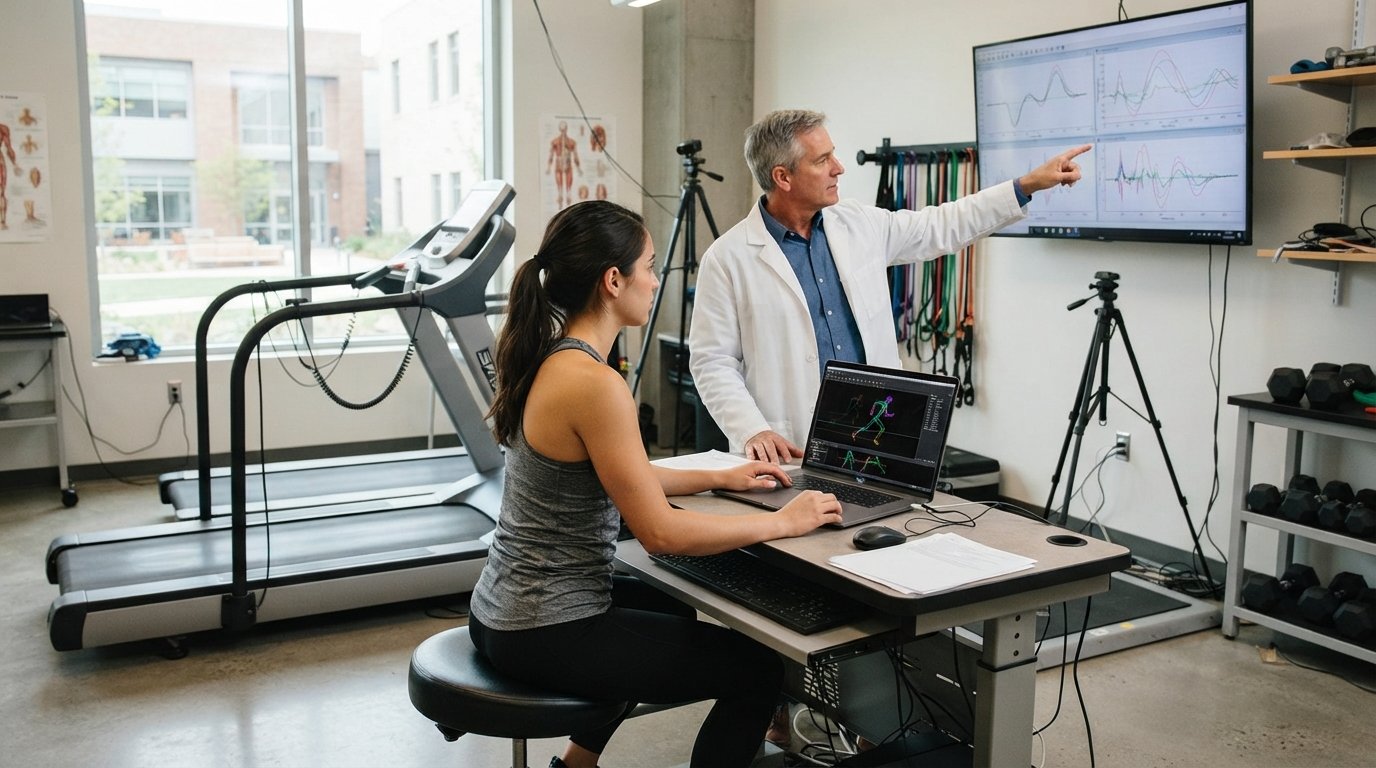
Students pursuing study in exercise science and kinesiology beyond a bachelor's degree in person at CUNY Queens College should expect a curriculum that mixes lecture, laboratory, and practicum experiences. Small cohorts and accessible faculty are recurring strengths of the campus, and the in-person format means hands-on work with equipment, assessment protocols, and real participants rather than simulated online modules. That matters in a field where you are evaluated on your ability to coach a movement, calibrate a metabolic cart, or read a patient's response to exertion in real time.
Prospective students should verify current program names, credit requirements, and admission standards directly with the department, since offerings evolve. What stays constant is the value proposition: a public university price point, a location in the nation's largest metro area, and faculty who maintain research and clinical ties throughout the city.
In-Person Learning and the Hands-On Advantage
Online degrees have earned a legitimate place in higher education, but exercise science is a lab and clinic discipline. In-person study at Queens College puts you in rooms with force plates, treadmills, spirometers, and classmates who become your professional network. You practice assessments on each other, receive immediate feedback from instructors, and build the kind of muscle memory that no video module can replicate.
The in-person format also creates access to internships and fieldwork placements. New York City hosts hospital systems, private sports medicine practices, collegiate athletic programs, and community wellness organizations, and faculty connections often determine where students land. When you attend class on campus, those relationships form naturally through office hours, lab sessions, and informal conversation.
There is a practical scheduling consideration as well. Graduate students who work full time should map out evening and weekend course availability early, because in-person programs concentrate classes into specific time blocks. Planning a two-year sequence in advance prevents the frustration of discovering that a required course is offered only in a term you cannot manage.
Admission Pathways and Prerequisites
Applicants to graduate study in this field typically need a bachelor's degree from an accredited institution, a competitive undergraduate GPA, and prerequisite coursework in anatomy, physiology, and exercise physiology. Some programs also expect statistics or research methods. Students whose undergraduate degree is in a related area such as biology, nursing, or athletic training may need to complete leveling courses before matriculating.
A strong application usually includes the following elements. Treat this as a checklist rather than a guarantee, and confirm specifics with the department.
- Official transcripts from every college attended, with prerequisite grades clearly visible
- Two or three letters of recommendation from professors or supervisors who know your work
- A personal statement that connects your career goals to the program's strengths
- Evidence of relevant experience, such as coaching, personal training, clinical volunteering, or research assistance
- Standardized test scores only if the program requires them, since many have moved to test-optional policies
The personal statement deserves extra attention. Admission committees read many generic essays, so describe a specific problem you want to solve, whether that is improving cardiac rehab adherence in older adults or reducing injury rates in youth soccer. Specificity signals maturity and makes your file memorable.
Paying for Graduate Study: Aid, Scholarships, and Planning
Graduate study is an investment, and the financial planning should start before you submit an application. CUNY's public tuition is among the most reasonable in the region, but books, fees, transportation, and lost work hours still add up. The good news is that funding sources for graduate students in exercise science and kinesiology are broader than many applicants realize.
Start with the federal aid system. Completing the FAFSA determines your eligibility for Direct Unsubsidized Loans and, for some programs, work-study. Graduate students are generally not eligible for Pell Grants, so departmental funding becomes more important. Assistantships, which often include tuition remission and a stipend in exchange for teaching or research support, are the most valuable form of support in this field. Ask the department explicitly whether graduate assistantships are available and how to apply.
Beyond institutional aid, professional organizations, community foundations, and diversity-focused programs offer scholarships for graduate study in health and movement sciences. Building a scholarship search into your weekly routine pays off. Resources that track college costs and financial aid strategy, such as CollegeAndTuition, can help you compare the total cost of attendance and identify funding options you might otherwise miss. The key is to treat funding like a course: schedule the work, meet the deadlines, and keep records of every application.
Employer tuition benefits are another underused resource. Hospitals, fitness chains, and school districts sometimes reimburse part of graduate tuition for employees in relevant roles. Even a partial reimbursement changes the math significantly over a two-year program.
Career Outcomes After the Master's
Graduates with advanced training in exercise science and kinesiology move into a range of roles. Clinical exercise physiologists work in cardiac and pulmonary rehabilitation, often alongside physicians and nurses. Strength and conditioning coaches work with collegiate and professional teams. Wellness directors design programs for corporations, hospitals, and municipalities. Research coordinators support clinical trials and population health studies. And each year, some graduates continue to doctoral study in exercise physiology, biomechanics, or public health.
Salaries vary widely by setting and region, but advanced degree holders generally command higher starting offers and face fewer ceilings on advancement. In New York City, the concentration of hospitals, universities, and sports organizations creates unusual density of opportunity for people with the right credentials and connections.
It is worth being honest about the limits of any degree. A master's does not guarantee a job, and networking, certifications, and clinical experience still matter enormously. The degree opens doors and raises your ceiling; you still have to walk through and climb.
How to Decide If This Path Fits You
Before committing, clarify your goal. If you want to run a personal training business, additional certifications and business skills may serve you better than a graduate degree. If you want to work in a hospital, teach, conduct research, or lead programs, advanced study is likely worth the investment. Write down the specific job titles you want and check their requirements; the pattern will tell you what to do.
Then evaluate logistics. Can you reach the Queens College campus reliably during the terms classes meet? Can your budget absorb tuition and fees, and have you identified at least two funding sources? Do you have a two-year plan that accounts for work, family, and study? Students who answer these questions in advance tend to finish their programs, while those who improvise often pause mid-degree.
Finally, talk to people. Attend an information session, email a faculty member, and ask alumni about their experience. A single conversation with someone two years ahead of you can save months of missteps.
Advanced study in exercise science and kinesiology beyond a bachelor's degree, completed in person at CUNY Queens College, is a practical route to clinical, academic, and leadership roles in one of the most dynamic health and fitness markets in the country. The combination of public tuition, hands-on training, and New York City access is difficult to replicate. Do the financial planning early, build relationships with faculty, and treat the degree as a platform rather than a finish line. With clear goals and disciplined funding, the investment can reshape your career trajectory for decades.