
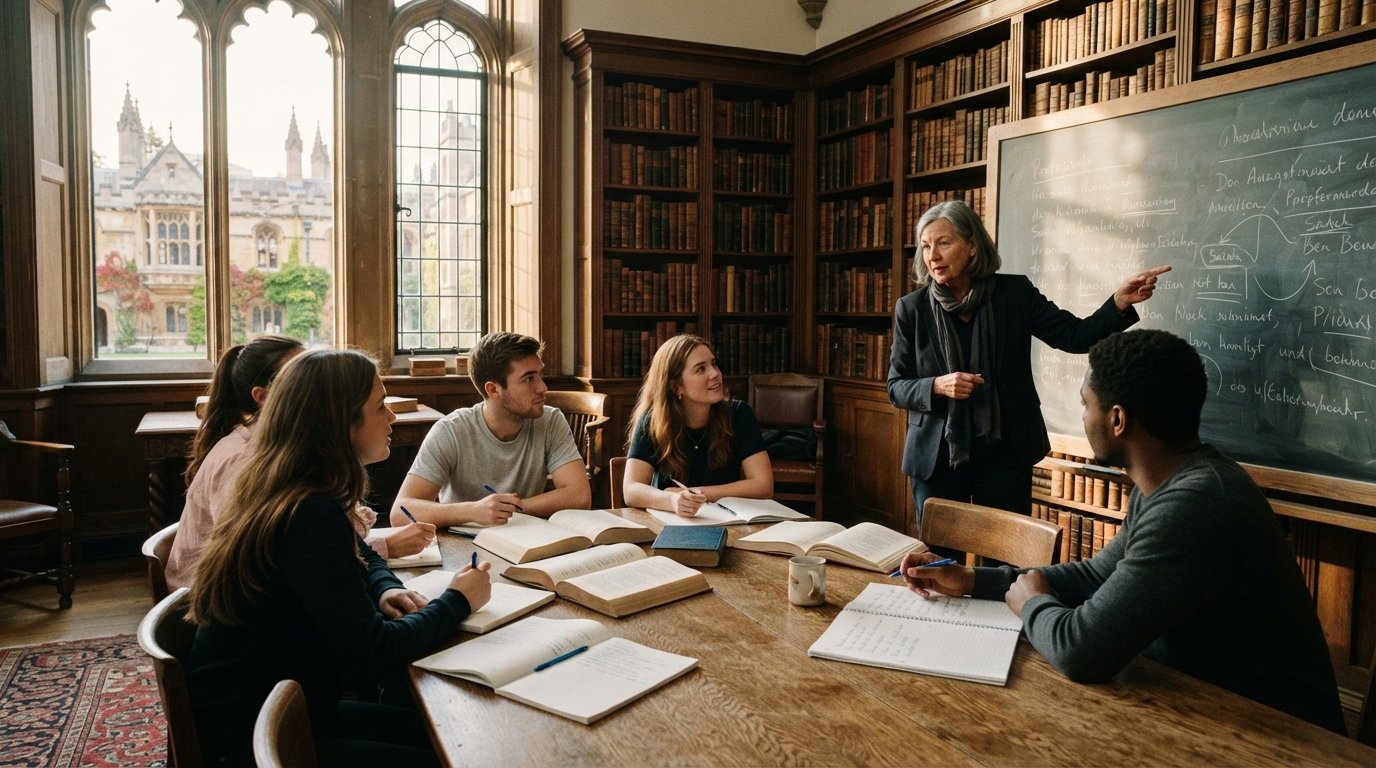
Columbia German Language and Literature Bachelor's Degree
Earn a German Language and Literature Bachelor's degree, usually 4 years In-person at Columbia University in the City of New York, and gain cultural fluency plus strong career prospects.

By Priya Foster
Choosing a major in the humanities is a decision that shapes not only your four years of college but also the lens through which you view the world, your career, and your cultural fluency. Among the most rigorous and rewarding paths available is the German Language and Literature Bachelor's degree, usually 4 years In-person at Columbia University in the City of New York. This program offers an intensive immersion into one of Europe's most influential literary and philosophical traditions, set against the backdrop of one of the world's most dynamic cities. For students who are passionate about language, critical theory, and cultural history, Columbia's program represents a unique opportunity to study under leading scholars while engaging with the cultural institutions of New York City. This guide explores the structure, benefits, admissions considerations, and financial aid strategies associated with pursuing this specific degree, helping prospective students and their families make informed decisions about their educational future.
Why Pursue a German Language and Literature Degree at Columbia University?
Columbia University's Department of Germanic Languages and Literatures has a long and distinguished history of fostering deep engagement with German-language texts, philosophy, and cultural studies. The Bachelor's degree program is designed for students who wish to achieve advanced proficiency in the German language while developing sophisticated analytical skills through the study of literature, film, and critical theory. The program is housed within Columbia College and the School of General Studies, providing a rigorous liberal arts framework that emphasizes close reading, historical context, and theoretical inquiry.
One of the defining features of this program is its location in New York City. Students have access to world-class libraries, archives, and cultural organizations such as the Goethe-Institut New York, the German Consulate, and numerous museums with significant German collections. This urban environment enhances the academic experience by offering internships, cultural events, and networking opportunities that are directly relevant to German studies. The in-person format ensures that students benefit from face-to-face interaction with faculty and peers, fostering a community of scholars that is difficult to replicate in online settings.
The curriculum typically includes courses in German language at all levels, from elementary to advanced composition and conversation, as well as surveys of German literature from the medieval period to the present. Students also engage with specialized topics such as Weimar Classicism, Romanticism, Modernism, and contemporary German culture. Many students choose to double major or pursue a concentration in related fields such as history, philosophy, or comparative literature, taking advantage of Columbia's extensive offerings in the humanities.
Program Structure and Curriculum Overview
The German Language and Literature Bachelor's degree at Columbia is structured to be completed in four years of full-time, in-person study. The program requires a total of 124 credits for graduation, including the Core Curriculum, major requirements, and electives. The major itself typically consists of 10 to 12 courses, depending on the student's starting language level and whether they pursue departmental honors. Students are encouraged to study abroad in Germany or Austria during their junior year, an experience that significantly enhances language acquisition and cultural understanding.
The curriculum is designed to build progressively from foundational language courses to advanced seminars. In the first two years, students focus on achieving linguistic proficiency through courses such as Intermediate German I and II, Advanced German Conversation, and Introduction to German Literature. These courses emphasize speaking, writing, reading, and listening skills while introducing students to key literary works. In the junior and senior years, students take advanced seminars on specific periods, authors, or themes, culminating in a senior thesis for those pursuing honors.
Beyond the major, Columbia's Core Curriculum provides a broad intellectual foundation. All students complete courses in literature humanities, contemporary civilization, art humanities, and music humanities, which complement the German major by deepening critical thinking and cultural literacy. The in-person format allows for vibrant classroom discussions and direct mentorship from faculty, who are often leading scholars in their fields.
Key Components of the German Major
- Language Sequence: Elementary, intermediate, and advanced German language courses to ensure fluency and accuracy.
- Literature Surveys: Courses covering major periods and movements in German literature, from the Middle Ages to the twenty-first century.
- Specialized Seminars: Small, discussion-based classes on topics such as Thomas Mann, Kafka, Brecht, or German film.
- Study Abroad: Optional but strongly encouraged semester or year in Germany, Austria, or Switzerland through Columbia's global programs.
- Senior Thesis: An optional capstone research project for students seeking departmental honors.
Students should work closely with their academic advisors to plan their course sequences, especially if they are double majoring or pre-med. The flexibility of the program allows for customization, but careful planning is essential to meet all requirements within four years. The in-person nature of the program means that students can take advantage of office hours, research assistantships, and departmental events that enrich their academic journey.
Admissions Requirements and Application Tips
Admission to Columbia University is highly competitive, and the German Language and Literature program attracts students with strong academic records and a demonstrated interest in languages and the humanities. While there are no specific prerequisite courses required for the major, applicants are encouraged to have completed at least two to three years of high school German if possible. However, the program accommodates beginners as well, offering elementary language courses for those new to the language.
The application process involves submitting the Common Application or Coalition Application, along with transcripts, standardized test scores (if applicable), letters of recommendation, and essays. Columbia is currently test-optional for standardized testing, but strong scores can enhance an application. The essays are a crucial opportunity to demonstrate intellectual curiosity, cultural engagement, and a clear rationale for choosing German studies. Prospective students should highlight any relevant experiences such as language study, travel, or cultural activities that align with the program's focus.
For students seeking scholarships to support their studies, resources are available. You can explore bachelor's degree scholarship programs that may help offset tuition costs. Columbia also offers need-based financial aid, and the university meets 100 percent of demonstrated financial need for all admitted students, regardless of citizenship status. This commitment makes the in-person program accessible to families across the income spectrum, although the total cost of attendance, including room and board in New York City, is significant.
Financial Aid and Scholarship Opportunities
Paying for a private university education in New York City requires careful financial planning. Columbia University offers generous need-based financial aid packages that include grants, work-study, and loans. The university does not offer merit scholarships, but its need-based aid is among the most comprehensive in the country. Families should complete the FAFSA and the CSS Profile to be considered for institutional aid. New York State residents may also qualify for the Tuition Assistance Program (TAP) and Excelsior Scholarship, which can reduce costs significantly.
Beyond institutional aid, students can pursue external scholarships. Many organizations offer awards specifically for language study, German studies, or study abroad. For example, the DAAD (German Academic Exchange Service) provides scholarships for students to study in Germany, and the Goethe-Institut offers various grants and prizes. Students should also investigate national scholarship programs such as the Fulbright, Goldwater, and Truman scholarships, although these are typically for graduate study or specific fields. For undergraduates, local community foundations, heritage organizations, and professional associations often provide smaller awards that can add up.
To maximize your chances of securing funding, start your search early and apply to multiple scholarships. Keep track of deadlines and tailor your essays to each opportunity. The in-person format of the program means that students can access Columbia's Office of Financial Aid and fellowship advising in person, which can provide personalized guidance. Additionally, connecting with alumni and current students can offer insights into lesser-known funding sources.
Career Outcomes and Transferable Skills
Graduates with a Bachelor's degree in German Language and Literature from Columbia University are well-prepared for a wide range of careers. The program develops advanced skills in written and oral communication, critical thinking, research, and cultural analysis, all of which are highly valued by employers. Many graduates pursue careers in international business, diplomacy, translation, education, publishing, and the arts. The ability to speak German fluently opens doors to opportunities in German-speaking countries and multinational companies with ties to Europe.
Some students continue their education in graduate school, pursuing master's or doctoral degrees in German studies, comparative literature, or related fields. Others enter professional programs in law, medicine, or public policy, where their language skills and cultural competence give them a distinct advantage. Columbia's alumni network and career services provide valuable resources for job placement and internships. The in-person experience allows students to build strong relationships with professors who can write recommendations and connect them with opportunities.
For those interested in exploring a broader range of degree options, platforms like CollegeDegree.Education can help match prospective students with accredited programs that align with their career goals. Whether you are considering a traditional liberal arts path or a more specialized program, understanding the full landscape of higher education options is essential.
Is the In-Person Format Right for You?
The in-person format of the German Language and Literature Bachelor's degree at Columbia University offers distinct advantages. Face-to-face interaction with faculty and peers fosters a deeper engagement with the material, particularly in language acquisition and literary discussion. The classroom environment encourages spontaneous conversation, immediate feedback, and collaborative learning, which are difficult to replicate online. Additionally, living in New York City provides cultural immersion and access to resources that enhance the academic experience.
However, the in-person format also comes with higher costs for housing and living expenses, and it requires a full-time commitment. Students who need flexibility due to work or family obligations may find online programs more suitable. That said, for those who can relocate and dedicate themselves to a residential liberal arts experience, Columbia's program offers an unparalleled opportunity to study German language and literature in a vibrant, intellectually stimulating environment.
Prospective students should consider their learning style, financial situation, and career goals when deciding between in-person and online options. Visiting campus, attending information sessions, and speaking with current students can provide valuable insights. Columbia's admissions office and department faculty are available to answer questions and help applicants determine if the program is the right fit.
Tips for Success in the German Major
Succeeding in the German Language and Literature major requires dedication, curiosity, and a willingness to engage deeply with texts and ideas. Here are some practical tips for prospective and current students:
- Immerse yourself in the language early: Practice speaking German daily, watch German films, listen to German music, and read German news to build fluency outside the classroom.
- Take advantage of study abroad: Spending a semester or year in a German-speaking country dramatically improves language skills and cultural understanding, and it looks great on a resume.
- Build relationships with faculty: Attend office hours, participate in departmental events, and seek mentorship from professors who can guide your academic and career path.
- Plan your courses carefully: Work with your advisor to ensure you meet all requirements and have room for electives, double majors, or study abroad.
- Seek funding opportunities: Apply for scholarships early and often, and use resources like Scholarship.Education to find awards that fit your profile.
These strategies can help students make the most of their four years and graduate with a strong foundation for future success. The in-person nature of the program facilitates these connections and experiences, providing a supportive community that extends beyond graduation.
Pursuing a German Language and Literature Bachelor's degree, usually 4 years In-person at Columbia University in the City of New York, is a commitment to intellectual growth and cultural exploration. The program combines rigorous academic training with the advantages of studying in one of the world's most influential cities. For students passionate about language, literature, and critical thought, this degree offers a transformative educational experience that prepares them for a wide range of careers and lifelong learning. With careful planning and a proactive approach to financial aid, this goal is within reach for dedicated students ready to embark on this rewarding journey.